Why this book?
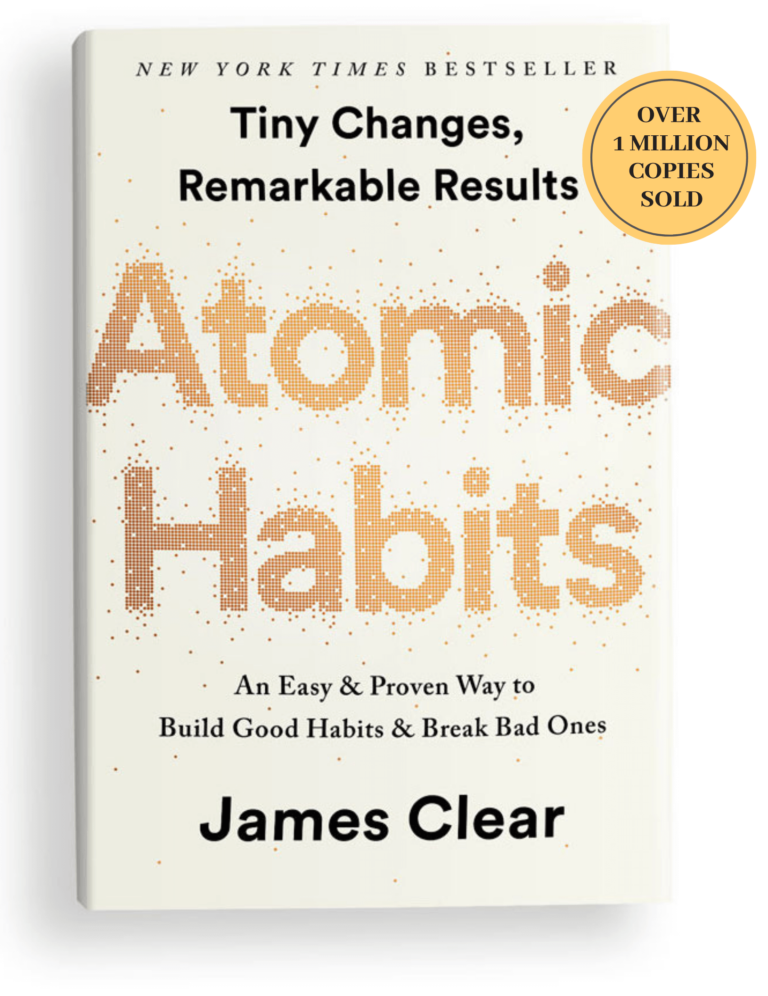
This is the 8th – August 2019 – book from My Year of Reading 2019 list.
In that post I was specific on the reasons for reading this book, stating the following:
- Habits and practices are one of my interest areas.
- The book was recommended to me by Catherine who I mentored to do a Twitter Chat with in Q3 2018.
My reading of the book
I read each chapter making notes as I read.
At the end of each chapter, I set myself some application questions (that are usable by others) and answered those questions.
I posted my notes with my questions and my answers at the end of each chapter in the Workplace by Facebook community of learners that I facilitate.
I then posted the full set of notes as this blog post.
My overall assessment and response to the book
My response to this is as per my Q&A for the final chapter of the main part of the book as follows:-
Q1: How would you explain rapidly to someone what this book is about?
A1: The book explains how to form and continue good habits and how to break bad habits. It does so compellingly and in a way that makes you confident that this is all eminently doable. It is inspiring and encouraging and makes you think about how you could apply the content to all parts of your life. It talks about making habits visible/obvious, attractive, easy and satisfying.
Q2: Would you recommend this book? Why? Why not?
A2: Definitely! One of the most practically helpful books I have ever read. Actionable content. Practical. Gets you thinking about your life and how you live it in ways that are new to me.
Q3: Provide a rapid summary of what you will do next with what you have learned by reading the book.
A3: Already started doing different things with my time recording worksheet for work (and extended to my non-work life). Designed a Habit Tracker worksheet. Both of these make use of Word mail merge from Excel spreadsheet content of days, dates and habits. Go back through the book to remember the actions but including listing out all the things I do repetitively to see how I could automate them, improve them etc. Try to form the new habits I am working on including end-of-day routine for journalling and reading more fiction. I need to see if I can speed up my non-fiction reading, note-taking and application.
Introduction: My Story
Book Club Questions
Q1: Why did you decide to read this book?
A1: This is one of My Year of Reading 2019 list. Habits and practices are one of my interest areas. The book was recommended to me by Catherine (a Canadian self-care consultant) who I mentored to facilitate her first Twitter Chat Q3 2018. I am also aware that there are patterns of my behaviour that are unhelpful or could do with improving. I am hopeful that there will be wider benefits to me of reading and applying this book.
Q2: What is your response to the author’s journey from publishing his first article to writing this book?
A2: It is an inspirational journey and a great example of small things leading to significantly greater things. It shows how a book can emerge from a series of blog posts and what can happen when you go with the flow.
Q3: What is your response to the claim that the material in the book will “work” for anyone wherever they are starting and for whatever they are trting to change?
A3: It is a big and bold claim which, if true, would mean it would have wide applicability to me and by implication to others too.
Q4: Before you start reading the rest of the book, what is your assessment of your own habits and what habits are you looking to change or start?
A4: I am easily distracted. Some of that is due to my insatiable curiosity but part is due to my lack of focus and discipline. I am also very good at procrastinating admin tasks at home that leads to overwhelm when I need to find something or reclaim some space.
My notes from the book
author’s experience of a massive injury with a baseball bat taught him a critical lesson:
changes that seem small and unimportant at first will compound into remarkable results if you are willing to stick with them for years
the quality of our lives often depends on the quality of our habits
story of how the author started publishing articles on his web site to end up writing this book
“To write a great book, you must first become the book.” (Naval Ravikant (entrepreneur, investor))
the book is a step-by-step plan for building better habits for a lifetime
an operating manual
4-step model of habits: cue, craving, response, reward … and the 4 laws of behaviour change that evolve from those steps
external stimuli and internal emotions impact what we do
offers a new way to think about your habits
this approach is effective regardless of where you start or what you are trying to change
The Fundamentals: Why Tiny Changes Make a Big Difference
Chapter 1: The Surprising Power of Atomic Habits
Book Club Questions
Q1: As we start reading the book, what is your starting point belief about small actions and big actions?
A1: I do tend to concentrate on the big actions so this chapter was a challenge to my thinking.
Q2: What examples have you got from your own life of small changes having a big impact over time?
A2: I am trying to journal more habitually at the start and end of each day using a paper edition of The Five-Minute Journal. I am much better at the start of the day than doing the end of day questions at the end of each day. I have yet to get into a routine and I don’t think I have ever done the end of day section at the end of any day! I am hoping that continuing will have a big impact on me over time.
Q3: What examples have you got from your own life of trying to change habits and not succeeding?
A3: I should be more careful what I eat but I love my food. I am not good at personal admin with snail mail etc. This is one area where I should get way more proactive to avoid the later overwhelm.
Q4: What examples have you got from your own life of results that you want to set and for each one what are the things you need to do for that result to happen?
A4: This is my 2nd year of having a book reading list to force me to read more than before. I had got to the point where I was skimming everything I read reactively and wanted to get back to deeply reading and applying long-form content. Trying to read with others like this book club in this community was intended to help me read books as accountability partners or reading buddies. Doing a list each year is a joy and I will be doing the same for 2020 in December if not earlier. I have goals relating to career where the challenge is both the goal and the system! I am working at both via the books “Designing Your Life” (Evans/Burnett) and Reinvention Roadmap (Liz Ryan). I also have goals relating to clearing the clutter on my laptop, hard drives etc. Ditto for ripping all my CDs so I can chuck out the CDs.
Q5: What examples have you got from your own life of compounding either positively or negatively? What was your response?
A5: Going walking for 1 hour each day I am in the office feels like it is compounding. I miss it when I do not do it. I do not feel super-fit but guess that I would be even more unfit if I was not doing this! It also means that I get through more podcasts which I usually listen to when walking. I should pray, read my Bible and read Christian books more for my spiritual goals. I do try to automate tasks and should do more of that via templates etc. I agree wit the comment in the chapter about reading books meaning that we see new ways of thinking about our existing views.
Q6: What activities do you do or plan to do where your hope or expectation is that at some point there will be a breakthrough?
A6: Hoping that my book reading makes me more marketable for new roles in my working life. Some of this needs a lot more application rather than simply relying on head knowledge. Part of my working out loud also has this as a secondary objective re visibility to others that I have never met in real life.
Q7: How are you feeling about the content about goals and systems with goals being secondary and systems being primary?
A7: I think of myself as an organised person but this does not apply to all areas of my life per the admin comments made earlier. I am also aware that my systems could be improved and I just need to get on with doing that without being sucked into reading vast amounts of content about personal organisation that I find fascinating. I do wonder exactly what my personal organisation should look like. I suspect that a core issue for me is being way more specific about my goals and the system that helps me deliver those results.
Q8: For the list of problems, which have the most resonance with your current situation?
Problem #1: Winners/losers have same goals
Problem #2: Achieving a goal is only a momentary change
Problem #3: Goals restrict your happiness
Problem #4: Goals are at odds with long-term progress
A8: I am not good at celebrating success and I am very good at beating myself up for not achieving what I have set myself to do. I do not rest on any laurels and I am always on to the next thing. I am aware that when I do start sorting the CDs issue out I need to be relentless and complete the task without bailing out. As regards organising my hard drives, I know I need to implement a better system for where and how I save files for later use so it ceases to be an overwhelming issue whenever I need to sort it out. I also need to be better at celebrating my successful systems and not just take them for granted.
Q9: What tiny changes has this first chapter brought to mind for you to consider implementing already?
A9: Thinking about ways to better do my journalling and reading of fiction – I am a fan of the mantra “little and often” but rarely live by it.
My notes from the book
story of the dramatic rise in performance of British cycling under David Brailsford – “the aggregation of marginal gains” – improve everything by 1% and it all adds up
Why small habits make a big difference?
too often we convince ourselves that massive success requires massive action
sometimes improving by 1% is not even noticeable but can be far more meaningful esp in long run
maths: 1% better each day for a year = 37 times better – for worse each day, nearly zero – compounds over time
habits are the compound interest of self-improvement
hard to appreciate in daily life
slow pace of transformation also makes it easy to let bad habit slide
slight change in your daily habits can guide your life to a very different destination
success is the product of daily habits – not once-in-a-lifetime transformations
you should be far more concerned with your current trajectory than current results
outcomes are a lagging measure of your habits – you get what you repeat – net worth, weight, knowledge, clutter
tiny battles are the ones that will define your future self
good habits make time your ally – bad, enemy
Your habits can compound for you or against you
compounding:-
- positive
- productivity compounds
- completing 1 extra task/day
- automate old task
- master new skill
- handling tasks without thinking
- knowledge compounds
- 1 new idea vs lifelong learning
- each book read, new content but opens up different ways of thinking about old ideas
- relationships compound
- people reflect your behaviour back to you
- help others, others want to help you
- being nicer in each interaction
- negative
- stress compounds
- traffic jam
- weight of parenting responsibilities
- making ends meet
- serious health issues if all the time
- negative thoughts compound
- the more you think negatively about yourself, becomes the norm
- trapped in thought loop
- includes how you think about others
- outrage compounds
- long series of issues results in riots
What progress is really like
1 degree shift in temperature and ice cube melts
breakthrough moments often result of many previous actions, building up potential needed to unleash a major change
cf accelerated results examples of cancer and bamboo
lack of rapid visible results is a reason why hard to build habits that last
break through the plateau of latent potential which is beyond the valley of disappointment
some say this is overnight success but lots of work went into it
mastery requires patience
the seed of every habit is a single tiny decision – each time repeated, habit sprouts, grows stronger
Forget about goals, focus on systems instead
conventional wisdom is you need to set goals to achieve what we want
realised tho that results had little to do with my goals & lots to do with my systems
goals are about the results you want, systems are the processes that lead to those results
examples of goals and systems
if you completely ignored your goal & focused only on system, would you still succeed? YES!
the score takes care of itself
focus on your systems
goals good for setting direction, systems best for making progress
problems when you spend too much time on goals and not enough time on designing your systems
Problem #1: Winners/losers have same goals
the goal had always been there but the winners had a system of continuous small improvements that led to different outcome
Problem #2: Achieving a goal is only a momentary change
tidying a room every so often without system of keeping it tidy means cycle of same result
achieving a goal only changes your life for a moment
what we really need to do is not change the goal but change the systems that lead to the goal
fix the inputs and the outputs will fix themselves
Problem #3: Goals restrict your happiness
mean that you are only happy when you reach them – happiness put off until next milestone
either/or – achieve goal and success or fail goal and failure
systems-first mentality is antidote
you can be satisfied when your system is running
Problem #4: Goals are at odds with long-term progress
goals can lead to yo-yo effect – when you achieve a goal you stop and do not press on
systems mean that you continue even after reach goals
commitment to process will determine your progress
A System of Atomic Habits
problem in changing habits is a problem with your system
you do not rise to the level of your goals – you fall to level of your systems
a core theme of book is focusing on overall system not a single goal
atomic habit means tiny change
part of larger system
building blocks of remarkable results
each one is a fundamental unit contributing to your overall improvement
small and mighty
Chapter 2: How Your Habits Shape Your Identity (and Vice Versa)
Book Club Questions
Q1: The chapter gives an example of the "goal is not to read a book but to become a reader". Ignoring the 1st part of that quote, who are you currently trying to become?
A1: A reflector, an organised person physically/digitally, a journaller, a clutter-free person, a reader/watcher and apply-er of content (learner).
Q2: The chapter gives examples of negative talk e.g. not being a morning person. What examples of your negative talk about yourself come immediately to mind? List as many as you can.
A2: I am not practical, not good at DIY, clumsy, doubting myself, easily distracted, not an IT technical person, never able to have a sensible convo with specific people, specific things will never change so why bother, specific people having a fixed view, not always a listener/rememberer.
Q3: What habits are you currently doing that embody your identity or that you are specifically doing to try to change your identity?
A2: Attending prayer meetings at church, journalling each day, reading/applying books, organising my file stores.
Q4: May be building on your answers to Q2, what are you already thinking of doing as a result of reading the book this far to address your own negative talk?
A4: Seeking to come across as more confident technically, write more things down as I hear things, being more self-aware, establishing a solid morning/evening ritual for journalling.
My notes from the book
improving daily habits has the most powerful impact on your life
easy to stop new habits, hard to establish them
but good/bad habits once established, stick with you
reasons changing habits is a challenge:-
- we try to change the wrong thing
- we try to change them in the wrong way
layers of behaviour change:-
- identity – beliefs, worldview, self-image
- what you believe
- process
- what you do
- outcomes
- what you get
most try to change habits by focusing on what they want to achieve – outcome-based habits
alternative: build identity-based habits – start by focusing on who we wish to become
cf smokers saying I am trying to quit smoking vs I am not a smoker – a shift in identity
shift the way you look at yourself
your old identity can sabotage your new plans for change
some behaviours are impossible under a set of beliefs
behaviour incongruent with the self will not last
you have a new goal, a new plan but you have not changed who you are
story of nail-biter who started paying for manicures
ultimate form of intrinsic motivation is when habit becomes part of your identity – cf wanting vs being
strength of pride in something directly related to your motivation to maintain the associated habits
true behaviour change is identity change – you may start with motivation but you will only stick at it when it is part of your identity
goal is not to read a book but to become a reader
not to run a marathon but to become a runner
not to learn a musical instrument but to become a musician
these things may be conscious or unconscious
when your behaviour and identity are fully-aligned, you are no longer pursuing behaviour change – instead you are simply acting like the type of person you already believe yourself to be
identity can also be a curse as you may have a negative identity impacting your ability to change
e.g. people saying terrible with directions, not a morning person, no use with tech, bad at names, always late, hopeless at maths
you may have said this about yourself for years
you try not to contradict yourself
group identity and personal identity
identity conflict
over the long term, real reason for failing to stick with habits is self-image gets in way
progress requires unlearning
becoming best version of yourself requires you to continuously edit your beliefs and upgrade/expand your identity
The 2-Step Process to Changing Your Identity
your identity emerges out of habits
you are not born with preset beliefs
every belief including about yourself is learned/conditioned through experience
your habits are how you embody your identity
e.g making your bed each morning, writing each day, train each day
the more you repeat a behaviour, the more you reinforce the identity associated with that behaviour:
identity: Latin essentitas – being – and identidem – repeatedly
so your identity is literally your “repeated beingness”
the more evidence you have for a belief, the more strongly you will believe it
author became a writer through his habits
habits not the only actions that influence your identity but their frequency means they are usually the most important ones
the process of building habits, is actually the process of becoming yourself
we are continually undergoing microevolutions of the self
each habit is like a suggestion
each action you take is a vote for the type of person you wish to become – the votes accumulate
the most practical way to change who you are is to change what you do
each habit not only gets results but also teaches you something far more important – to trust yourself
you start to believe you can actually accomplish these things
works negatively though too!
you need a majority with the votes not unanimous
new identities require new evidence
simple 2-step process:-
- decide the type of person you want to be
- prove it to yourself with small wins
applies to teams, communities, nations
hard to make these decisions
may help to start with the end result and work backwards to get to the type of person who can achieve those results
so move from outcome-based to identity-based
once decided, start taking small steps to reinforce your desired identity
this concept of identity-based habits is 1st intro to another key theme in book – feedback loops
your habits shape your identity and your identity shapes your habits
important to let your values, principles, identity drive the loop and not the results
The Real Reason Habits Matter
identity change is North Star of habit change
are you becoming the type of person you want to become?
you need to know who you want to be
your habits matter because they help you become the type of person you wish to be
you become your habits
Chapter 3: How To Build Better Habits in 4 Simple Steps
Book Club Questions
Q1: What things do you do automatically without thinking? List as many as you can think of in all areas of your life.
A1: Morning routine for getting up including washing, shaving, shower, dressing, making coffee, getting breakfast. Driving, driving to work (with Google Maps) usually the same way each day. Start of day journalling. Setting up daily journal sheets for the week ahead (automated via xls, mail merge work docs). Time recording into xls and then into the corporate time recording system. Sunday morning walk to church and praying with elders before service. Running through the work list with DEV team colleagues each Monday morning. Loading the dishwasher. Emptying the dishwasher. Ironing shirts. Daily walk at lunchtime when I am in the office.
Q2: What is your view of habits and freedom?
A2: Interested in how doing things automatically may get me in a rut e.g. same journey to/from work. Do I miss out on doing things in new ways or going a different route or better ways?
Q3: How do you see existing habits helping you?
A3: Save me time as no time spent thinking. Become automatic or semi-automatic. Get things done consistently and efficently. Free up time to do other things.
Q4: How do you see new habits helping you?
A4: Addressing bad habits that mean I am not as productive or effective as I could/should be. Making life more joyful. Addressing my inner critic where the issues are down to bad habits.
Q5: What questions do you have of the 4 stage process?
A5: Not always clear to me what would go into each stage per the examples in the chapter. Hopeful that this will get covered later in the book so identifying specifics for each stage becomes second nature and help me do better with my habits. Wondering whether group (team, family etc) habits will get covered in the book e.g. the habit of group decision making e.g. what are we going to do today etc.
My notes from the book
Edward Thorndike, psychologist, 1898, experiment laying the foundation for our understanding of habit formation and how rules guide our behaviour – animals, cats – box, one way out via successful task, learning began 1st time got out, each time with no change, quicker time each go
“behaviours followed by satisfying consequences tend to be repeated and those that produce unpleasant consequences are less likely to be repeated.”
Why your brain builds habits
habit: behaviour that has been repeated enough times to be automatic
trial and error if you come across something new
brain busy learning the most effective course of action
exploring then reward
brain works back from reward for lessons for next time
try, fail, learn, try differently – useful actions get reinforced – habit forming
habits are series of automatic solutions that solve the problems/ stresses you face regularly
as habits are created, brain activity decreases
when face similar situation, brain skips trial and error part
habits are mental shortcuts learned from experience
primary reason brain remembers past is to better predict what will work in future
habit formation useful as conscious mind is bottleneck of the brain – one problem at a time
tries to offload tasks to unconscious mind to do automatically
you may think that there is a choice between building habits and attaining freedom – but the 2 complement each other
habits create freedom not restrict it
people without habits are actually people with the least freedom
only by making the fundamentals of life easier that you can create the mental space needed for free thinking and creativity
building habits now allows you to do more of what you want in the future
The Science of How Habits Work
4 steps to building a habit:-
- cue
- triggers brain to initiate a behaviour
- a bit of info that predicts a reward
- your mind continuously scans external/ internal environment for hints of where rewards are located
- crave
- being close to a reward, leads to a craving
- the motivational force behind every habit
- no reason to act without it
- we crave the change in state that the habit delivers
- every craving linked to a desire to change our internal state
- people are not all motivated by the same cues
- cues are meaningless unless interpreted
- thoughts, feelings, emotions of observer transform cue into a craving
- response
- the actual habit you perform – thought or action
- whether response occurs dependent on your motivation & how much friction associated with the behaviour – if too hard to do at the time you will not do it
- response also depends on your ability – you need to be capable of doing it
- reward
- the end goal of every habit
- the cue is about noticing the reward
- the craving about wanting the reward
- we chase rewards as they serve 2 purposes:-
- they satisfy us
- rewards provide benefits on their own
- at least for a moment, rewards deliver contentment & relief from craving
- they teach us
- .. which actions worth remembering in future
- feelings of pleasure & disappointment are part of feedback mechanism that helps your brain distinguish useful actions from useless ones
- rewards close the feedback loop & complete the habit cycle
if a behaviour is insufficient in any of the 4 stages, it will not become a habit
without the 1st 3 steps, a behaviour will not occur
without all 4, a behaviour will not be repeated
all 4 form the habit loop (cycle)
a neurological feedback loop
ultimately allowing us to create automatic habits – the habit loop
continually running
can split 4 phases into 2 phases:-
- problem
- cue and craving
- solution
- response and reward
the purpose of every habit is to solve the problem – for pleasure or to remove pain
by the time we are adults, we rarely notice the habits that are running our lives – after decades of mental programming, we automatically slip into these patterns of thinking & acting
examples of this process:-
- mobile notification – read the text
- emails incoming causing stress – bite nails
- wake up – coffee
- smell doughnuts – buy and eat one
- problem on project – read social media as a distraction and for relief
- walk into dark room – satisfy craving to see
The 4 Laws of Behaviour Change
need to transform the 4 steps into a practical framework that we can use to design good habits and eliminate bad ones
each law is a lever that influences human behaviour:-
- when levers are in right position, creating good habits is effortless
- when in wrong position, nearly impossible
Law – How to create a good habit – how to break a bad habit-
- Cue – make it obvious – make it invisible
- Craving – make it attractive – make it unattractive
- Response – make it easy – make it difficult
- Reward – make it satisfying – make it unsatisfying
these are close to an exhaustive framework for changing any human behaviour
the answers to your questions, self-talk, excuses can be found in these 4 laws
the key to creating good habits and breaking bad habits is to understand these fundamental laws and how to alter them to your specifications
every goal doomed to fail if goes against human nature
your habits are shaped by the systems in your life
======================
The 1st Law – Make It Obvious
Chapter 4: The Man Who Didn’t Look Right
Book Club Questions
Q1: What is your initial response to the “pointing-and-calling” strategy? Does this remind you of anything else like this?
A1: I sometimes do this when I am in a rush and I need to focus. It is also one of my occasional strategies for my OCD re checking doors locked and I have not left my belongings where I am just leaving. Also reminded of the power of checklists for ensuring set tasks are done for each “activity”. See Atul Gawande’s book on checklists. I will certainly explore doing this more and more consistently.
Q2: Do your own Habits Scorecard for as many habits as you can think of in one pass. It may help you to think of each day of a typical week for you to list habits for each typical day. Suggested headings:-
- Habit
- Assessment (+, –, =)
- Days of the Week (Sat, Sun, Mon, Tue, Wed, Thu, Fri)
- Any (for any day of the week)
- Commentary: what you think about each habit, what came to mind when you listed it
You could do this in a spreadsheet so that you can filter the rows on each assessment type.
A2: See Google Sheets file with my first pass response. Whilst this was a challenge at first, this became easier as I went through the process. Lots of poor habits came to mind even when writing this answer after completing the spreadsheet including things I need to do regularly at work.
My notes from the book
story of family member seeing something unseen to others in father-in-law’s face – life-changing surgery saved him from death – could see something wrong but could not explain
other examples such as object identification on radar
museum curators knowing difference between authentic piece and fake
interpreting brain scan images
human brain is a prediction machine – begins noticing what is important, sorting through the details, highlighting relevant cues, cataloguing for future use
with enough practice, you can pick up on cues that predict certain outcomes without consciously thinking about it
your ability to notice relevant cues in a given situation is foundation for every habit you have
lots of things we can do without thinking – hair growing, heart pumping, lungs breathing, stomach digesting
you do not need to be aware of the cue for a habit to begin – you notice an opportunity, take action without conscious attention – this is what makes habits useful
but it also makes them dangerous
fall into old patterns without realising – do not ask questions about what and why you are doing something – including things that are no longer appropriate
over time , cues that spark our habits become so common they are essentially invisible
for this reason, need to start the process of behaviour change with awareness
before effectively building new ones need to understand current ones
a challenge given lots are automatic
if a habit remains mindless, you cannot expect to improve it
“Until you make the unconscious conscious, it will direct your life and you will call it fate.”
[ Carl Jung ]
The Habits Scorecard
Japanese railway: Pointing-And-Calling – a safety system designed to reduce mistakes – reduces errors by 85%, cuts accidents by 30%
point-only system introduced on New York subway with 57% fall in incorrectly berthed subways
effective as makes conscious previously-unconscious habits
cf voicing out loud you to-take list
the more automatic the behaviour the less likely we are to consciously think about it
many performance failures largely attributable to lack of self-awareness
1 of greatest challenges in changing habits is maintaining awareness of what we are actually doing – consequences of bad habits can sneak up on us
we need a point-and-call system for our personal lives – the origin of the Habits Scorecard:–
- make a list of your daily habits from your alarm onwards
- assess for good +, bad –, neutral = (where good means effective)
all habits serve you in some way, even the bad ones, which is why you repeat them
mark them based on how they will benefit you in long run
to help mark, ask “
“Does this behaviour help me become the type of person I wish to be? Does this habit cast a vote for or against my desired identity?”
review the list with no judgement, just understand
1st step in changing bad habits is to be on the lookout for them
point-and-call in your own life ahead of doing something – what are you thinking of doing, what will the outcome be
this also helps to remember to do things in the future!
Chapter 5: The Best Way To Start A New Habit
Book Club Questions
Q1: List examples of your times and locations that could be used for implementation intentions.
A1: Times and Locations:-
- 06:00 at Home (alarm)
- 07:40 arriving at work
- 08:30 start of working day
- 13:00 start of lunch break at work
- 14:00 end of lunch break at work
- 17:00 end of working day
- 18:00 arriving at home from commute at work
Q2: Say something about being specific and how that helps you not to be vague. Any other examples of approaches in this area from other sources?
A2: This section of the book reminded me strongly of David Allen’s “Next Action” in his “Getting Things Done” methodology. See this article: https://gettingthingsdone.com/2011/02/how-is-a-next-action-list-different-from-a-to-do-list/
Q3: List some implementation intentions that you intend to implement.
A3: Examples:-
- I will complete my time recording sheet for the working day at 16:30 Monday-Thursday at work and Friday at home.
- I will update the file name when downloading files of all types at any time when I am using my work laptop.
- I will do a weekly review (per David Allen [GTD]) of my working week at 14:00 on a Friday at home.
Q4: List some examples of habit stacking that you intend to implement.
A4: Examples:-
- After completing my time recording sheet for a Friday, I will produce the weekly stats and input to the work time recording system.
- After completing the review of emails and meetings for the week at work in my Weekly Review, I will review tweets I have received and sent, review web sites I have visited, review Workplace received and sent IMs and emails received and sent.
- After I have completed my Weekly Review, I will reflect and journal for the week just gone on a Friday.
Q5: Update your Habits Scorecard from the last chapter with any additional column 1 entries and list some column 2 entries.
A5: I just added column 2 (“Existing/New Habits to Implement”) in this updated version of my Habits Scorecard.
My notes from the book
implementation intention:
- a plan you make about what and when to act
- how you intend to implement a particular habit
2 most common cues are time and location
implementation intentions leverage both
format: when situation X arises, I will perform response Y
increase the odds of sticking to habits
need to get these basic details figured out
transforms good ideas/thoughts into a concrete plan of action
many think they lack motivation when in fact they really lack clarity
not always obvious when/ where to take action
when the moment of action occurs, no need to make a decision, simply follow your predetermined plan
I will [ BEHAVIOUR ] at [ TIME ] in [ LOCATION ]
if unsure when to start new habit, try 1st day of week, month, year – hope is higher – with hope, you have a reason to take action – fresh start feels motivating
being specific helps you say no to distractions
give your habits a time and a space to live in the world
goal is to make time and location so obvious that with enough repetitions you get urge to do right thing even if you cannot say why
fave approach to this is habit stacking via BJ Fogg (Stanford prof) – part of his Tiny Habits programme
Habit Stacking: A Simple Plan To Overhaul Your Habits
Diderot Effect: obtaining a new possession often creates a spiral of consumption that leads to additional purchases – chain reaction
each action becomes a cue that triggers the next behaviour
1 of best ways to build new habit is identify a current habit and stack your new behaviour on top = habit stacking
pair the new habit with an existing habit not a time and location
habit stacking formula: after [ CURRENT HABIT ], I will [ NEW HABIT ]
can then begin to create larger stacks by chaining small habits together
leverage the natural momentum
you can also insert new behaviours into the middle of your current routines
allows you to create a set of simple rules that guide your future behaviour – a game plan for which actions should come next
you can use these to form general habit stacks to guide you whenever situation is appropriate
secret to creating a successful habit stack is selecting the right cue to kick things off
consider when you are most likely to be successful e.g. when you are not busy doing other things!
cue should have same frequency as desired habit
using Habits Scorecard, add other habits you do each day without fail and in a 2nd “column” list other habits you often do
start to search for best place to stack this habit
make cue specific and obvious to avoid ambiguity e.g. NOT read more, eat better as they do not provide instruction on how and when to act
==================
Chapter 6: Motivation Is Overrated; Environment Often Matters More
Book Club Questions
Q1: How self-controlled are you when you see something at home or in shops that you had not planned to eat/buy etc? What came to mind as you read this part of the book and are you thinking of changing anything in this area?
A1: Food/drink is often left lying around on worktops in the kitchen in our home and I am always tempted to eat/drink as and when I see them. May be these should all be hidden away to remove that temptation. It is rare that I do a shopping list when buying food/drink so I am prone to impulse purchases. This would issue would be partially addressed by doing a list and sticking to only buying things from that list. This however would mean I would miss out on special offers – a good excuse not to stick to the list!
Q2: List all the contexts where you live, play and / or work and give a summary of what you do in that context.
A2: Home:-
- ground floor lounge – armchair – eating breakfast, start of day journalling
- ground floor lounge – table – for hospitality and when we have meals as a family or when have visitors/guests
- 1st floor lounge – armchair – eating, reading fiction books and non-fiction books when I am not taking notes, watching TV
- bedroom – sleep
- office – anything needing my laptop currently, mainly non-fiction reading and note-taking
- kitchen – preparing meals, laundry, dishwasher, other chores
Work:-
- desk – all work that just needs me
- medium meeting room – non-fiction reading and note-taking prior to my working day
- board room – set piece formal meetings
- medium/small meeting room – less formal meetings or ones needing smaller space
- a specific Director’s office – formal weekly meetings of status/progress
Q3: List all the other contexts that you do not use currently and/or but could use for new habits and what those habits could be.
A3: Home:-
- ground floor living room – armchair – could use for other reading
- ground floor living room – desk – could use
- ground floor living room – table - could use
- 1st floor lounge – big settee – could use
- 1st floor lounge – small settee – could use
Work:-
- kitchen sofas/armchair – could use – no privacy
- breakout areas with display screen – could use – dark, not comfy, cramped
- high tables/high chairs – could use
Q4: Do you have any examples of activity zones that you either use now or plan to use as a result of reading this chapter?
A4: There is scope for me using the different seats in our 1st floor lounge for different purposes. Ditto with the work spaces at work that I do not currently use at all.
Q5: What examples of visual cues that are helpful or unhelpful to you can you list?
A5: Unhelpful: food/drink left out. Messy desk spaces that make me confused as to focus. Leaving piles of post unprocessed.
Helpful: tidy desk, leave books out that I am currently reading as prompt. Challenge of trying to be tidy and well-organised that may mean no cues visible!
Q6: How will you change visual cues as a result of this chapter?
A6: I need to reflect more. For me currently simply having things close to hand wherever I am is helpful but it needs other prompts for me to use them e.g The 5-Minute Journal for the start of day and end of day entries. I may try moving food etc off worktops so less visible and see if the rest of the family notices. Wondering how I could use technology better for visual cues e.g. sorting out desktop on laptop and mobile with versions/pages for different contexts.
Q7: How do you respond to the “one space, one use” part of the chapter?
A7: This is do-able. Has made me think of spaces that I do not currently use at home and at work that could be used for specific activities. Certainly works well for my non-fiction reading and note-taking at work before my working day.
Q8: What has surprised you reading this chapter?
A8: I am guilty of simply consuming the spaces I have available and simply using these in an ad-hoc way as-is and not specifically designing them. Guilty of using the mobile phone in unproductive ways and wondering now if there are things I could do with my mobile phone usage in specific contexts to better encourage good habits and stop bad ones. Surprised at the power of how context/cues can help. These are all things I have not consciously thought about at all but aware now that this is worthy of deep consideration.
Q9: What has this chapter confirmed for you?
A9: I have always been an advocate of finding new spaces, preferably off-site, for sessions needing creative thinking to encourage wider thinking. I could seek to apply that within my home and workplace when I need to do this myself on my own or with others. The chapter makes eminent sense and I need to apply this content.
My notes from the book
story of medical organisation cafe having products placed in different locations e.g. adding water wherever there were pop bottles and impact that had on increased water sales and decreased pop sales
we often choose products not because of what they are but where they are
your habits change depending on room you are in and cues in front of you
every habit is context dependent
behaviour is a function of the person in their environment (Kurt Lewin)
Hawkins Stern (economist) – Suggestion Impulse Buying: triggered when a shopper sees product for 1st time and visualises a need for it – customers occasionally buy products not because they want them but because of how they are presented to them
cf eye-level placement of product
receptors in your body pick up on wide range of internal stimuli e.g. amount of salt in your body, need to drink when thirsty
most powerful sensory receptor is sight
half brain’s resources are used on vision
visual cues the greatest catalyst of our behaviour
a small change in what you see can lead to big shift in what you do
important therefore to live/work in environments filled with productive cues & devoid of unproductive ones
you are not the victim of your environment, you can be the architect of it
How To Design Your Environment For Success
meter placement in hallway or cellar impacts energy consumption re visibility of usage
more likely to notice cues that stand out
easy not to do certain actions when no visible cues
creating obvious visual cues can draw your attention to a desired habit
fly image on urinals in Schipol airport improved aim and reduced spillage
e.g. for author placement of fruit to main worktop not in bottom compartment of fridge
examples of creating more visible cues
to make a habit a big part of your life, make the cue a big part of your environment
the most persistent behaviours usually have multiple cues
place triggers around your environment to increase the odds of you thinking about your habit through the day
make sure best choice if most obvious one
environment design powerful not only because it influences how we engaged with the world but also because we rarely do it – most of is live in spaces designed by others
allows you to take back control & become the architect of your life
be the designer of your world not just the consumer of it
The Context Is The Cue
cues triggering a habit can start out very specific but over time habits become associated not with single trigger but with the entire context surrounding the behaviour
e.g. drinking in social situations and drinking on your own – lots of visual cues in former
we mentally assign habits to locations in which they occur
our behaviour is not defined by the objects in the environment but by our relationship to them
start thinking about your environment as filled with relationships
e.g. where you read, where you play, where you eat … what do you do at that desk, in that chair
you can train yourself to link a particular habit with a particular context
the power of some actions only ever happening in a specific context
easier associating a new habit with a new context than to build a new habit in face of competing cues
when you step outside your normal environment, you leave your behavioural biases behind
to think more creatively, move to a new context
to eat more healthily, shop in a new store where you do not know where everything is
if can’t create new environment, alter the existing
“one space, one use”
good to have clear division between different activities – e.g. work and play
wherever possible, avoid mixing context of 1 habit with another – when you start mixing contexts, you will start mixing habits and the easier ones will usually win
challenge of mobile phones is that they can be used for lots of things – a mishmash of cues
if space limited, split the space into activity zones – chair for reading, desk for writing, table for eating – ditto for digital spaces – every habit should have a home
by doing this, each context will become associated with a particular habit and mode of thought
a stable environment where everything has a place and a purpose is an environment where habits can easily form
==================
Chapter 7: The Secret to Self-Control
Book Club Questions
Q1: What did this chapter make you think of in your own life about the power of your environment and that power vs self-control?
A1: Made me think about groups that I have been part of that cut across who I am as a person and my core values that often prevented me being the “real” ne and impacted my performance. Got me thinking that I rarely analyse my environment as part of me making plans such as new year’s resolutions or in recent years my “One Word” for the year. I am definitely guilty of trying to be more self-controlled via willpower alone. I now know that there is a better way that I need to explore. Reminded me of Mel Robbins’ 5-Second Rule. Reminded of an American evangelist (Billy Sunday) who many years ago said the issue with temptation is that we treat it like strawberries and cream rather than a rattlesnake.
Q2: What surprised you about this chapter?
A2: The power of our environments in impacting our behaviour individually and collectively. How deep-rooted habits can be even when they have not been done for some time. The speed with which cues trigger our behaviour without our brains consciously knowing about it. The futility of willpower alone in changing behaviour.
Q3: What actions will you take as a result of this chapter?
A3: Understand what environments I am operating in and how that impacts my behaviour and what I need to do if I do not want that impact. Be more aware of cues that trigger me for good or ill. This is a wider issue for me around being more self-aware about things like inner critic and what people, situations and issues trigger that voice. The Mel Robbins book on the 5-Second Rule is on my reading list for 2019 and it will be interesting to see how that content fits or otherwise with this content on habits re cues etc. As part of my wider application of the habits book, understand more how habits and self-control relate i.e. check where my self-control issues are around bad habits and cues.
My notes from the book
story of Vietnam US soldiers being heroin addicts out there but 90% stopped nearly overnight on return home – due to radical change in environment, out there surrounded by cues
cf drug users at home, 90% become re-addicted as cues at home remain the same
those with tremendous self-control are the same as others who are struggling – they spend less time in tempting situations
the people with the best self-control are the ones who need to use it the least
create a more disciplined environment
a habit encoded in mind is ready to be used whenever the relevant situation arises
cues can be so deep that they can trigger behaviour a long time after last time
bad habits are auto-catalytic: the process feeds itself – e.g. you feel bad so you eat more as an over-eater
cue-induced wanting: an external trigger causes compulsive craving to repeat a bad habit – once you notice something you want it
brain processes cues faster than it can consciously register them
so you can break a habit but never fully forget it even when unused for a long time
impossible to consistently stick to positive habits in a negative environment
more reliable approach is to cut off bad habits at source
one of most practical ways to eliminate a bad habit is reduce exposure to cues that cause it
this is inversion of 1st Law of Behaviour Change – rather than make it obvious, make it invisible
self-control is a short term strategy, not a long term one – may work once or twice but not every time
better strategy to optimise your environment – the secret to self-control
easier avoiding temptation than resisting it
The 2nd Law: Make It Attractive
Chapter 8: How To Make a Habit Irresistible
Book Club Questions
Q1: How do you see the habits that you want to continue and the ones you want to start – are they all pleasurable or not so much?
A1: They are a mix and what I do generally, regularly and occasionally all need me to list them out. Each time I do one of these question answers I think of more things I do that could be habitualised. I am starting to think of things that I need to do and how I can speed them up, do them more efficiently, more effectively to free up my time. These will include prep for specific weekly meetings at work, things I want to do personally that get crowded out by life. There are bigger things where I need to get to a clean edge and then start to keep those things clean (paperwork, digital file organisation etc).
Q2: What ways can you think of making habits more enticing?
A2: I can see that making them fun or gamifying them may help me. If the habits were to free up lots of time for other things that would be welcome. Tying the “have to do” habits with the “want to do” habits would be a good way of rewarding myself. Doing something else at the same time as the main habit would be a good way of using time to do things I have to do with things I want to do e.g. I always listen to BBC Radio 4’s Any Questions podcast while I iron. Getting more into a routine of timing may help me more with some of the habits that I avoid. I do not have a set time for ironing and always try to put it off.
Q3: What did you understand about the anticipation content of the chapter?
A3: That sometimes the anticipation of something can outweigh the reality. I probably am susceptible to this but may be not as strongly as the author writes about. I will look at this when I put into practice the content of the book.
Q4: What habits do you need to form that you already know need to be made more attractive and what reward habits can you already see as relating to those to help you make progress?
A4: I can see that chores habits need me being more routinised and less ad-hoc. This may be for timing and schedule reasons. These also have setup issues such as me waiting for the rest of the family to pile up their dirty laundry. I could definitely plan my week out more so the day/triggers may help me implement improved habits. Being able to do more in less time to free up time for other more enjoyable things. I tend to want to read more than I actually do and lots of this may be timing issues and setup issues or me not prioritising reading as high as it needs to be to get done. Also how I watch TV relates to other members of the family who watch the same things at the same time – note that we rarely watch things live. Our financial management could do with some more effective habits for budgeting and tracking. I can see that I will need to work at tying need-to with want-to habits so that I do actually do both!
My notes from the book
2 examples of bird experiments re red dots and round objects – following an instinctive rule
their brains preloaded with certain rules for behaviour and where the triggering thing is greater/better/more, greater response = supernormal stimuli – a heightened version of reality eliciting a stronger response than usual
humans also prone to this cf responses to fast food
most food has some form of enhancement to get us to eat more
e.g. how product feels in our mouth: orosensation
other foods have dynamic contrast – combo of sensations – keep experience novel & interesting, encouraging you to eat more
“bliss point” of taste for each product design
results in overeating as attractive to human brain
all this is one example of 2nd Law of Behaviour Change – Make It Attractive
the more attractive, the more habit forming
cf mannequins shapes for selling clothes
things that are more concentrated than in past
these pleasure-packed experiences hard to resist
our ancestors never had to face these temptations
our goal here is to make our habits irresistible
we can make any habit more enticing
The Dopamine-Driven Feedback Loop
can track precise moment craving occurs by measuring neurotransmitter called dopamine
experiment where rats had release of dopamine blocked – lost all will to live, have sex, they died of thirst
2nd experiment as before but drops of sugar in mouth, they enjoyed it but they did not want it
ability to experience pleasure remained but with no dopamine desire ended, with no desire, action stopped
when process reversed with greater dopamine, they performed habits at breakneck speed
habits are a dopamine-driven feedback loop
every highly habit-forming behaviour is associated with higher levels of dopamine
it was assumed that dopamine was all about pleasure, but we know now that it plays central role in many neurological processes – including motivation, learning & memory, punishment & aversion, voluntary movement
key for habits: dopamine is released when you experience pleasure AND when you anticipate it – dopamine spike just before the behaviour – when dopamine rises so does your motivation to act
reward system in brain same when you receive and anticipate a reward
the difference between wanting and liking
process:-
- before habit is learned D released when reward experienced for 1st time
- next time, D rises before taking action, straight after cue is recognised, spike leads to feeling of desire/craving to take action whenever cue is seen – once habit learned, D will not rise when reward is experienced because you already expect the reward
- but if you see a cue and expect a reward but do not get one, D will drop in disappointment
- sensitivity of D response can be clearly seen when a reward is provided late – 1st the cue is identified and D rises as craving builds, next a response is taken but reward does not come as quickly as expected and D begins to drop – finally when reward comes a little later than you had hoped, D spikes again – it is as if the brain is saying “see I knew I was right, don’t forget to do this action next time
brain has more neural circuitry allocated for wanting rewards than for liking them – so crucial role these processes play
desire is the engine that drives behaviour:-
- every action is taken because of anticipation that precedes it
- it is the craving that leads to the response
so for 2nd Law of Behaviour Change, we need to make our habits attractive as it is the expectation of a rewarding experience that motivates us to act in the first place
the strategy of temptation bundling
How To Use Temptation Bundling To Make Your Habits More Attractive
works by linking an action you want to do with an action you need to do
cf ABC strategy for bundling programmes together on Thursday nights and encouraging viewers to make popcorn, drink red wine & enjoy the evening – brilliance was to associate the thing they needed the viewers to do with what their viewers already wanted to do so 8pm on Thursdays became the cue
the reward gets associated with the cue and the habit of turning on the TV becomes more attractive
TB one way to apply psychology theory “Premack’s Principle” – the more probable behaviours will reinforce less probable behaviours
you can combine TB with HS to create a set of rules to guide your behaviour:
- After [ CURRENT HABIT ], I will [ HABIT I NEED ],
- After [ HABIT I NEED ], I will [ HABIT I WANT ]
the hope is your NEED habits will get formed – doing the things you need to do means you get to do the thing you want to do
engineering a truly irresistible habit is a hard task but this simple strategy can be employed to make nearly any habit more attractive than it would be
==================
Chapter 9: The Role of Family and Friends in Shaping Your Habits
Book Club Questions
Q1: (optional) Resources. Watch and comment on this video “My Brilliant Brain: Make Me a Genius (featuring Susan Polgar)” (National Geographic, ): https://youtu.be/2wzs33wvr9E.
A1: Found this a fascinating watch. I can play chess. Not played for decades. Not very good at it. The pattern chunking and recognition I know I am hopeless at and would need lots of work and effort. Susan certainly seemed to be a happy lady. A bit intimidated and in awe of her abilities. Good to see that geniuses can be made. Reminded me of Daniel Goleman’s 10k hours of practice to be an expert in his 2008 book “Outliers”.
Q2: Give examples of some cultural behaviours in your life e.g. at home, work, play.
A2: We rarely eat at a dining table all together. Meetings are rarely booked in advance by a majority of people. We tend to run our morning services the same way re running order, number of songs. Rarely watch TV programmes live. We encourage people not to take their shoes off when they visit our home.
Q3: Give examples of some of your behaviours where you are trying to fit in.
A3: I do not always setup and run meetings how I would ideally want to run them to accommodate other people’s preferences. Feel some pressure not to always challenge things. Increasingly trying to be the real “me” and if that means not fitting in then so be it.
Q4: Give examples of any habits you imitate of the close, of the many and of the powerful.
A4: Re the many and the powerful, I need to be careful as I could spend all my spare time reading about personal development and personal productivity and not actually applying anything. I am not aware of consciously imitating the habits of the close. I do tend to try to do my own thing. The Habits book is challenging me to to do a much better job on all fronts with my habits.
Q5: What cultures attract you to join to build better habits and what, if anything, do you already have in common with those cultures?
A5: Would like to be much more organised and responsive to make good use (even doing nothing!) of any spare time I get at any point. So info mgt and knowledge mgt cultures would be an interesting experience to see how they operate. Startup culture may be of interest re putting into practice my capability in fluid environments (if I could get over the financial risk factor!). Working on a project or for an organisation that is just starting to implement community mgt practices so I could actually work on an ESN instead of via email and file stores etc. Lots in common with all these cultures and just need the opportunity.
Q6: List any examples of cultures that have moulded you to do things in specific ways that you did not want to do.
A6: I certainly think that I am all idealistic when I start something new and that if my preferred way of doing things does not get agreed I do tend to roll over and do things more how others want to do them.
A7: Always on a quest to be praised etc for my professionalism and delivery of high quality work. Mortified when I fail to live up to my own high standards. Devastated when I make mistakes especially when I have missed something significant that should have been done. Rare!
My notes from the book
Laszlo Polgar (Hungary, 1965) letters to Klara (both teachers, similar views)
firm believer in hard work – rejected idea of innate talent – child can become genius in any field via deliberate practice & devt of good habits – “a genius is not born, but is educated and trained” – used chess and his daughters as the experiment – home-schooled – lives dedicated to chess – got married, 3 daughters – eldest Susan started chess 4yo, within 6 months defeating adults – Sofia, middle dau, did even better, 14yo world champion then grand master – Judit best of all, at 5yo could beat dad, 12yo youngest ever in top 100, 15y 4m youngest ever grand master – #1 ranked woman for 27 years
atypical family life but they enjoyed it
whatever habits are normal in your culture are among the most attractive behaviours you will find
The Seductive Pull of Social Norms
the lone wolf dies but the pack survives
“In the long history of humankind, those who learned to collaborate and improvise most effectively have prevailed.”
(Charles Darwin)
one of deepest human desires is to belong – exerts powerful influence on our behaviour
we do not choose our earliest habits, we imitate them – covering all of life decisions
these social norms are the invisible rules that guide our behaviour each day – often without thinking / questioning / remembering
we imitate 3 groups most and each offers opportunity to leverage 2nd Law of Behaviour Change – make our habits attractive:-
- the close
- the many
- the powerful
1. Imitating the Close
proximity has powerful effect – true of physical env per earlier chapter but also social env
we pick up habits from those around us without realising
the closer we are to someone, the more likely we are to imitate some of their habits
those around us provide a sort of peer pressure that pulls us in their direction
only bad if the influences are bad
1 of most effective ways of changing habits is to join a culture where your desired behaviour is the normal behaviour – sets expectation of what is considered normal
also helps if you already have something in common with the group
nothing sustains motivation better then belonging to a tribe – transforms personal quest into a shared one
shared identity reinforces your personal identity
2. Imitating the Many
Solomon Asch experiment re length of line on 1st card same as 1 of 3 lines on 2nd card – peer pressure forced people to say the wrong answer – more wrong when more actors in the group
when we are unsure we look to the group for the correct behaviour
downside – normal behaviour of group often overpowers the desired behaviour of the individual even when that person’s behaviour has better result for common goal
reward of being accepted often greater than reward of winning an argument etc
our natural mode is to get along with others
running against grain of culture takes more work
when changing habits means challenging the tribe, change is unattractive and vv
3. Imitating the Powerful
we want to be acknowledged, recognised & praised
overall that is smart … a person with greater power / status has access to more resources, worries less about survival & proves to be more attractive mate
once we fit in we look for ways to stand out
= one reason why we care so much about habits of highly effective people – we desire success ourselves
we imitate people we admire / envy
we also avoid behaviours that would lower our status
do things to be same as neighbours, tidy house when friends coming
Polgar sisters had many reasons to continue their effort
Chapter 10: How To Find And Fix The Causes Of Your Bad Habits
Book Club Questions
Q1: Say something about your bad habits and their associated surface level craving and deeper underlying motives.
A1: Doing something that needs concentration and in the very act of doing it being waylaid by something that interests me. Starting something and being distracted by emails, a thought and leaving what I have started and struggle to remember where I left off and even not remembering and seeing emails in process without being sent! This is a lack of focus and not being clear on finishing something before starting the next thing. This is also a lack of prioritisation and poor work habits.
Q2: What do you now understand by the cause of your habits being the prediction that precedes them and the prediction that leads to a feeling?
A2: I can see this when I am surfing the net semi-automatically to fill in time or to purposefully distract myself. This is probably something that I should concentrate more on actually tracking why I do what I do when so this becomes more conscious and obvious.
Q3: Give some examples of the benefits of avoiding bad habits by making them seem unattractive.
A3: I need to talk to myself about why I choose the things I do when and what else is going on around me so this again becomes a conscious thing that I am aware of to do something about. I need to be clear in my mind what the cost of these bad habits are re not making the nbest use of time.
Q4: Where do you need some motivation rituals of doing something enjoyable just prior to doing something which is less enjoyable? What might these be? What examples do you have of these that you already do?
A4: My instant response to this is that I would probably personally do better by doing something I find less enjoyable to then reward myself straight after. I sense that I need to flex this and actually try an enjoyable thing first before less enjoyable things and then a heftier reward!
My notes from the book
example of people stopping smoking using Allen Carr’s “Easy Way To Stop Smoking” – the author systematically reframes each cue associated with smoking and gives it a new meaning – by end of book seems like smoking is the most ridiculous thing in the world to do
= makes the habit unattractive
Where Cravings Come From
each behaviour has surface level craving & a deeper, underlying motive
examples of underlying motives:-
- conserve energy
- obtain food and water
- find love and reproduce
- connect/bond with others
- win social acceptance and approval
- reduce uncertainty
- achieve status and prestige
look at new products that are habit-forming … they do not create a new motivation but latch onto the underlying motives of human nature
your habits are modern-day solutions to ancient desires
many different ways to address the same underlying motive
your current habits are not necessarily the best way to solve the problems you face – once you associate a solution with the problem you need to solve, you keep coming back to it
habits all about associations
each time you receive a cue, your brain runs a simulation and makes a prediction about what to do in next moment
happens instantaneously
every action preceded by a prediction
life feels reactive but is actually predictive
our behaviour is heavily dependent on how we interpret the events that happen to us – not necessarily the objective reality of the events themselves
same cue can spark a good or a bad habit depending on your prediction
predictions lead to feelings – typically how we describe a craving
only when you predict that you would be better off in a different state do you take action
a craving is the sense that something is missing
what you really want is to feel different
when emotions and feelings are impaired, we actually lose the ability to make decisions – no signal of what to pursue and what to avoid
habits are attractive when we associate them with positive feelings – use this to our advantage
How To Reprogram Your Brain To Enjoy Hard Habits
learn to associate them with a positive experience
change wording from “I have to … “ to “I get to …”
reframes burdens as opportunities
we can find evidence for whichever mind-set we choose
highlight the behaviour’s benefits rather than their drawbacks
change the wording of things you do that you do not enjoy etc cf nervous vs excited
you can create a motivation ritual – associate your habits with something you enjoy – playing a specific piece of music to trigger the behaviour – helps to get you in the right mental state e.g. “game mode”
create new cues
once a habit has been built, the cue can prompt a craving – even if it has little to do with the original situation
key to finding / fixing causes of bad habits is to reframe the associations you have about them
it is not easy but you can transform a hard habit into an attractive one
==================
The 3rd Law: Make It Easy
Chapter 11: Walk Slowly But Never Backward
Book Club Questions
Q1: How did you respond to the photography class example? Are you guilty of perfectionism? Explain.
A1: In some senses it was counter-intuitive. Reminded me of a podcast where the old-school photographers were decrying the use of digital cameras where 00s of photos are taken easily vs composition etc needed when there are only a small number of pictures available per old roll of film. I can see both sides of that argument.
There are not many examples of this in my own life of multiple executions of a process that I then pick the best of e.g. I do not write 30 versions of a blog post and pick the one I am happiest with. Making me wonder whether there are any examples where I should be doing this or similar.
Getting better at not being a perfectionist – it is still there! – and shipping more. Artificial time pressures on myself certainly help me focus.
Q2: Respond to this para from the chapter. Assess yourself against this.
“If motion doesn’t lead to results, why do we do it? Sometimes we do it because we actually need to plan or learn more. But more often than not, we do it because motion allows us to feel like we’re making progress without running the risk of failure.”
A2: An overall comment for the chapter. This is probably the heaviest chapter of the book that I have read so far that has nailed and exposed me! I probably am guilty of more motion than action but I do take action just not enough and on a broad enough front for all the things I want to do! Lots of these are almost hobby-type things but some are significantly more important to me. Some of the action I know I need to take is often only in “emergency-type” situations i.e. when it becomes the top priority at a point in time. Reminding me of the adage “prevention better than cure”!
Q3: Give examples of where repetition is helping you or has helped you form new habits.
A3: Most recent example is doing an end-of-previous day, start-of-today routine to complete the relevant entries in my The Five-Minute Journal. Also doing daily input of work time records to a xls and then full-form journal entries at the start of my working day. And then weekly, processing the xls records and inputting them to the work time recording system that I and colleagues need to use.
Q4: Give examples of where repetition would or could help you form new habits.
A4: I can think of examples of Word functionality that I do not use regularly and when I do need to use it I often have to Google it to remember how to do it. This may be a case of me artificially having to do this more for it to become automatic.
Two monster things I need to do is rip all my CDs so I can dump them. Another is processing paper admin for finance- etc related correspondence. Both of these are so intimidating that I continually put them off. As per earlier responses, I am seeking to get the reps in for some specific things to get these automated in terms of my daily patterns of living.
Q5: Respond to this sentence from the chapter:
”The amount of time you have been performing a habit is not as important as the number of times you have performed it.”
A5: This reminded me of a mantra of mine “little and often”. I need to live this out more! Also reminded of the repeated content I have seen re habit tracking and score boards to monitor progress e.g. am I actually doing something every day and if not when am I doing it. Examples could be fiction reading, non-fiction reading, work on career/life planning with specific actions rather than just playing at it, work on my inner voice, the CDs and paper admin stuff above. All of this could/ would/ should help me make progress by actually taking action.
My notes from the book
photography class split into 2, 1 judged on quantity, 1 on quality – the best photos taken by quantity group
easy to get bogged down trying to find optimal plan for change – we never get round to taking action
“the best is the enemy of the good” (Voltaire)
difference between being in motion and taking action
in motion: planning, strategising & learning – all good things but they don’t produce a result
action is behaviour that will deliver an outcome
20 ideas vs 1 written article
sometimes motion is useful but it will never produce an outcome by itself
why do we do motion?
- sometimes we do need to plan or learn more
- but more often than not, we do it because motion allows us to feel like we’re making progress without running the risk of failure
main reason for slipping into motion rather than taking action is to delay failure
motion makes you feel like you are getting things done but really this is just preparing to get things done
when prep becomes form of procrastination, need to change something – need to be planning and practicing
to master a habit, key is start with repetition not perfection
practice your new habit
you need to get your reps in
How long does it actually take to form a new habit?
habit formation: process of behaviour becoming progressively more automatic through repetition
the more you repeat an activity, the more structure of the brain changes to become efficient at it
Hebb’s Law: neurons that fire together, wire together
regions of the brain adapt as they are used and atrophy as they are abandoned
repetition is a form of change
putting in your reps is 1 of most critical steps you can take to encoding a new habit
active practice vs passive learning
automacity: ability to perform a behaviour without thinking about each step which occurs when non-conscious mind takes over
new habit requires great deal of of effort and concentration to perform
after a few repetitions, it gets easier, but still requires some conscious attention
with enough practice, the habit becomes more automatic than conscious
beyond this threshold—the habit line—the behaviour can be done more or less without thinking - a new habit has been formed
learning curves: habits form based on frequency not time
people ask how long to build a new habit but should really ask how many does it take i.e. how many reps to make a habit automatic
time irrelevant – is all about the rate at which you perform the behaviour
need enough successful attempts until the behaviour is embedded in your mind and you cross the Habit Line
in practice, not about how long it takes for a habit to become automatic, what really matters is that you take actions you need to make progress – whether action is fully automatic is of less importance
=================
Chapter 12: The Law Of Least Effort
Book Club Questions
Q1: Do you always look to do things in the way that takes the least amount of work? Explain.
A1: I probably do this subsconsciously and not knowingly. If I am doing something for the first time, I will try to do it in the best way I can but if I was to repeat the same task multiple times I am sure I would do it increasingly effectively and efficiently the more times I repeated it.
Q2: How would you assess your current environments for enabling you to do the right thing as easily as possible?
A2: Home office: this is getting better. Now with bookcases for all my books. Still a box full of papers and a pile of papers that need processing and then scanning or binning. I could do more with laptop setup by leaving power leads etc but I may need the lead when mobile. My book reading needs the Kindle app and my blog editing app these are easy to start and get me starting.
Home: my paper journal and the pen I use to write with are available for me to complete over breakfast at the start of the day. I am not so good at the end of the day for different reasons (tired!). I am trying more to tidy up the kitchen as part of a close of day routine rather than having to do it at the start of the day.
Work office: all wires are there and ready to plug into the back of the laptop including power thus saving time each day. Template for my time recording is there as a mail-merge that I can simply update an xls with the week’s days and dates to then print off those sheets for use over the next 7 days from the Monday. I have a number of status calls each week that I need to prep for and I am still looking at what would be the most effective way to do this as some have overlapping actions. This is a challenging work in progress.
Other: I need to get sharper with template text when sending LinkedIn connection requests as I have to find previously sent examples to copy and edit. This is the same when I am registering new users on to Workplace by Facebook as there is common text for all new users but usually text that is user-specific. My To-Do list and To-Remember etc lists are not well organised at all. Ideally, I want to do a Weekly Review GTD process but the friction remains high. I sense that if I really conquer that then all sorts of amazing things would then result. The elapsed time for doing this for the first time is intimidating due to the enormity of all my open loops.
Q3: What have you done or can you do to reduce the friction to make good habits easier to do?
A3: Templates mentioned above and trying to get routines in place for time recording and journaling.
Coming back to this after A4, trying to do one thing at a time with laser-like focus I certainly need to do. I have thought and tried minimally to use Trello to have one thing in progress at a time and to not get waylaid at all. Clearly human interruptions I cannot control but could close down and defer to later, likewise with incoming phone calls or just not answer immediately.
Q4: What have you done or can you do to increase the friction to make bad habits harder to do?
A4: I often read ebooks on my ipad in airplane mode to stop interruptions/distractions. I need to do more in terms of working practices to do one thing at a time and not to be flapsi-hapsi (!) (explained here but the quote is “you’re just surrounded by hundreds of to-dos (the needles) with no overview or clear priorities!”) where my incoming work stream is continuously updating in real-time, some of this cannot be altered due to my systems support responsibilities in and amongst my project responsibilities. This can be observed in my time records where there is often no work I do in a day for longer than 15 minutes at a time and also where I have composed emails and not sent them. Part of my response to this may include not having email on all the time and ditto with Skype.
Q5: What will you do now to prime your environments to make your future actions easier?
A5: Much more conscious of environments now as a result of this book. Home and Work office desks are clear of clutter as is laptop bag. Need to do more to set up reading opportunities e.g. making sure the books are readily available in the “right” location. Part of this is from earlier in this book to do specific tasks in specific places which I am already doing and need to do more.
My notes from the book
"Guns, Germs, and Steel”, anthropologist/ biologist Jared Diamond – different continents have different shapes, America north/south, Africa – vertical – Europe, Asia – opposite – difference played big part in spread of agriculture – east-west is same timezones/climate etc but big north/south variations
2-3 x faster horizontally, more food, more population growth
our real motivation is to be lazy and do what is convenient – a smart strategy
the law: when deciding between 2 similar options, people will tend to favour easier option
every action requires a certain amount of energy
the more energy required the less likely it is to happen and vice versa
most of what we do is activity that can be done with low motivation and low effort – they are remarkably convenient
every habit is just an obstacle to getting what you really want
e.g. journalling is an obstacle to thinking clearly
the greater the obstacle, the harder the habit, the more friction there is between you and your desired state
so it is crucial to make your habit so easy that you will do them even when you do not feel like it
make your habits convenient so you will be more likely to do them
the less friction you face, the easier it is for your stronger self to emerge
the idea is to make it as easy as possible in the moment to do things that payoff in the long run
How To Achieve More With Less Effort
2 options for getting more water through a hose with kinks in: push more water through or remove kink
cf increasing your motivation to deal with bad habit vs making your habits simple
reduce the friction in your life instead of overcoming it
1 of most effective ways of doing this is environmental design
here we want to optimise your environment to make actions easier
habits easier to build when they fit into flow of your life – where friction is low
start work on habits in low friction environments not in harder places
remove the points of friction e.g. distractions on mobile phones
cf lean production in Japan – removing waste, emphasis on workflow
this strategy is addition by subtraction – per factories – subtracted wasted effort, added revenue/ customers
when we remove friction that saps time/ energy, we can achieve more with less effort
= 1 reason why tidying up can feel good
think of the apps you use that reduce your friction thereby becoming habit-forming
successful companies design products to automate, eliminate or simplify as many steps as possible – reduce input fields and clicks to register
cf talking to Alexa, Google Home easier than getting phone/laptop out – delivering same results in easier ways
cf government services
so need to create an environment where doing right thing is as easy as possible
reduce friction for good habits and increase friction for bad habits
Prime the environment for future use
reset the room – each time you use a room put it back to the starting point
everything is then always in the right place all the time
think of ways of doing this for all your activities ideally
make good habits the path of least resistance
invert this principle to make bad habits harder e.g. leave mobile phone nowhere near you
Chapter 13: How to Stop Procrastinating by Using the Two-Minute Rule
Book Club Questions
Q1: What examples do you have of habits completing in a few seconds that continue to impact your behaviour for minutes or hours after?
A1: Starting my working day in one of the meeting rooms and not my own desk. Starting to read a book that I am taking notes for. Making sure my paper journal and a pen is on my arm chair before I start breakfast. Deciding to walk to church on a Sunday morning. Deciding to walk at lunchtimes at work (my success rate is a huge percentage!).
Q2: What examples do you have of decisive moments where you make a good choice of a bad choice that sends you down to a productive or an unproductive day?
A2: Opening email Inbox when doing other tasks that are work-in-progress. Opening up apps that should not be opened up when I am starting to do more specific and more important tasks. Eating biscuits when I am not hungry (it is never only 1). Sitting down in an armchair and putting on the TV when I should have brought a book to the chair to read. Not clearing the kitchen when it needs to be clean. Putting off the hardest to-do task. Per Mel Robbins’ 5-Second Rule, acting on that thought positively as soon as it registers.
Q3: What ideas for Two-Minute Rules have come to mind while reading this chapter that you are thinking about trying?
A3: End of day process for paper journal that just needs the paper journal and pen. Some laundry 2 mins are needed. Manual clutter 2 mins are needed. CD ripping 2 mins are needed.
Q4: Re “standardise” before you “optimise”, any examples of where you have been trying to improve a habit that has not yet been formed?
A4: Struggling with GTD Weekly Review which is frankly intimidating. Not obvious what 2 mins might look like to start me off. Probably my journaling habits too – may need to split work from personal for separate environment prompts + needs laptop.
My notes from the book
Twyla Tharp – one of greatest dancers/ choreographers – credits much of her success to simple daily habits – her start of day ritual – makes it repeatable, easy-to-do, reduces chance of doing it differently or skipping it
40-50% of our actions each day are done out of habit
influence of habits is even greater than that
habits are automatic choices that influence the conscious decisions that follow
cf ramp down to a motorway, start of next behaviour
habits you follow without thinking often determine the choices you make when you are thinking
each day, a handful of moments that deliver outsized impact – decisive moments
choices that are forks in the road
they set the options available next and they may well be constrained by your 1st decision
each decision has a good choice or a bad choice – more of former means a good day
mastering decisive moments throughout the day is important
habits are the entry point not the end point
The Two-Minute Rule
when you start a new habit it should take less than 2 minutes to do
nearly any habit can be scaled down to a 2-minute version e.g. read before bed each night = read on page
make habits as easy as possible to start
once started easier to repeat
new habit should not feel like a challenge
= a gateway habit that naturally takes you down a more productive path
do table of activities with columns of very easy to very hard and rows are goals
the point is to master the habit of showing up
habit must ne established before it can be improved
do the easy thing on a more consistent basis
have to standardise before you can optimise
1st 2 mins become ritual at start of a larger routine – the ideal way to master a difficult skill
doing same warm-up before every workout, you make it easier to get into a state of peak performance
if feels forced, do something for 2 mins and then stop, you MUST stop
cf journalling, stop a session when you feel like it is a chore
always stop when you are doing good
you are taking the smallest action that confirms the type of person you want to be
rare to think about change this was as most people look at end goal only
better to do less than you hoped than do nothing at all
once this habit is established, combine with habit shaping – scale habit towards your ultimate goal – repeat the process
e.g. becoming an early riser:-
- home by 10pm each day
- all devices off by 10pm
- in bed by 10pm
- lights off by 10pm
- wake up at 6am
whenever you are struggling with a habit, you can employ the Two-Minute Rule
Chapter 14: How To Make Good Habits Inevitable And Bad Habits Impossible
Book Club Questions
Q1: What commitment devices have you successfully used to lock in future better behaviour?
A1: When I commit to regular meetings, my loyalty to be committed makes sure I always attend. I do not want to let people down. E.g. church prayer meetings, life groups, Sunday morning services. I am aware of the danger of me not questioning the value of such things.
Q2: What habits have you successfully automated?
A2: Some use of Word templates and mail merge to automate some tasks. Cannot think of more. Thinking this means that I should think more closely about things that I could automate. May be start/end of day routines can have some form of automation e.g. alarms to trigger. Works for Start of Day re making sure I wake up and get out of bed! Experimenting with Alexa.
Q3: What obstacles do you face in automating your habits?
A3: As above, what can I automate, what should I automate and why. If I could find some, these would probably work or give me some benefit. Not all of my tasks affect only me and so in some cases I am not the sole decision maker.
Q4: What single actions have you taken for recurring benefits?
A4: I am aware that I subscribe to multiple things and that a majority, nearly all, need subscribing from. The GTD Weekly Review if I could successfully implement it would bring lots of benefits including journaling and personal development benefits that are at the core of who I am and want to be. Need to think more about single actions that I have taken. One was saying “yes” to being given a physical copy of “The Five-Minute Journal” that forced me to use it as I felt obliged to the giver to use it and report progress. Responding in the moment to thought prompts per Mel Robbins’ 5-Second Rule have led me into many learning adventures.
My notes from the book
story of Victor Hugo locking his clothes in chest so he could not go out to force him to write Hunchback of Notre Dame – 2 weeks early finally
sometimes success is less about making good habits easy & more about making bad habits hard
make it difficult – create a commitment device: a choice you make now that controls your actions in the future
many ways to create one e.g. small food pack size to stop overeating, power timer so devices stop at certain time
enable you to take advantage of good intentions before you can fall victim to temptation
key is to change task such that requires more work to get out of the good habit than to get started
e.g. scheduling meetings so that they have to happen unless cancel
possible to make good habits inevitable and bad habits impossible
How to automate a habit and never think about it again
story of how NCR started re employee theft from shop before locked cash registers introduced
best way to break a bad habit is to make it impossible to do – up the friction so you do not have the option to act
make preferred behaviour automatic
single choice then repeated benefits
1-time actions:-
- nutrition
- buy water filter
- smaller plates
- sleep
- get a good mattress
- get blackout curtain
- remove TV from bedroom
- health
- get vaccinated
- buy good shoes
- supportive chair
- productivity
- unsubscribe from newsletters
- turn off notifications
- mute group chats
- set phone to silent
- email filters to clean up inbox
- delete games/ social media apps on phone
- finance
- automatic bill pay
- cut cable TB
- enrol in auto savings plan
- ask service providers to lower bills
put tech to work for you
esp useful for irregular things
automate tasks that can be and only do what only you as human can do
beware tech working against you cf YouTube etc playing next vid automatically
beware tech allowing you to do bad things without effort on your part
beware small distractions becoming huge time wasters
try digital detox for small periods and assess benefits
force yourself to work on more meaningful tasks
all this helps you from having to rely on your willpower in the moment
automation can make your good habits inevitable and bad habits impossible
create an environment of inevitability
outcomes become virtually guaranteed
=====
The 4th Law: Make It Satisfying
Chapter 15: The Cardinal Rule of Behavioural Change
Book Club Questions
Q1: Explain something about a habit that you already do that you find satisfying.
A1: Doing the start of day process in my Five-Minute journal. Good to reflect and get into this habit that started Sunday 11 August 2019. This journaling activity needs to become easier and more useful to me as I settle into doing it more.
Q2: What habits are you trying to implement that you currently find unsatisfying?
A2: Same journaling activity but end of day activity. I have yet to do this a single time in the Five-Minute journal. I am currently doing this as part of my start of day routine which is really “cheating”! So the timing is the unsatisfying bit. I find when I have already started the day some of my thoughts of today are already “contaminating” my thoughts of yesterday if that makes sense.
Q3: Apply what you have read in this chapter by thinking out loud about how you could make these challenging habits satisfying to implement.
A3: I need some way of forcing myself to do this e.g. tying it to my checking of the car door locks at the end of the day. I have slight OCD about checking things. Could also tie it in with the last drink of the day (usually coffee).
Q4: What came to mind when you read the parts of the chapter about what is rewarded is repeated, what is punished is avoided? What can you do about this in your habit formation and habit breaking?
A4: As a driven person, I am finding the reward and punishment thing a challenge. I am not one for directly rewarding myself for anything. Mainly this is simply satisfaction for a “job well done”. In the WOL circle stuff I have done, I find the celebrating successes exercises a real challenge – I am usually simply onto the next thing. As for punishment, usually for me this is simply more ammunition for my inner critic to have a real go at me and how slack I am. Sounds like I need to think of some rewards and some punishments to help with my habits work … nothing coming to mind immediately.
Q5: Explain your experience of instant and delayed gratification. What are your challenges in these areas?
A5: Getting better at the delayed thing and usually tie it to having something only when I have done something that I wanted to do but that is easy to put off. None of these are for significant rewards!
Q6: What examples of immediate pleasure and immediate pain can you think of to help you make progress with your habits?
A6: With some habits I am trying to string things together with a mix of pleasure and displeasure activities to keep me focused. In some cases like my time recording and journaling activities at work I am still seeking to get these into habits that I do without thinking but I am still forming my best practice.
Q7: How could you see visibility of your behaviour helping you with your habits?
A7: Would be good to see how I have been succeeding and not succeeding at specific habits by way of seeing my progress. There are a number of such habits where I should really see the actuals and may be even the planned figures,
Q8: What challenges do you foresee in making things more visible?
A8: The main challenge for me in this area is discovering what habits would benefit from this scrutiny – not all of them? – and how best to track them re paper, online etc and ideally how summarise the tracking results back into my online journal in Evernote.
My notes from the book
problem of getting residents of Karachi to wash their hands to prevent disease – the problem was consistency, not knowledge – partnership with Procter and Gamble re Safeguard soap – handwashing made more pleasurable
the goal of handwashing promotion was habit adoption not behaviour change – strong positive sensory signal
re senses, difference of mint taste for brushing teeth vs flossing
big impact on health
classic example of 4th law of behavioural change – make it satisfying
more likely to repeat behaviour when it is satisfying
pleasure teaches your brain that a behaviour is worth remembering and repeating
Wrigley added flavours to chewing gum 90 years post launch – then became a worldwide habit – then pushed it as healthy thing to do
if an experience is not satisfying, we have little reason to repeat it
cardinal rule of behaviour change: what is rewarded is repeated, what is punished is avoided
positive emotions cultivate habits
increases the odds that a behaviour will be repeated next time – completes the habit loop
we are looking for immediate satisfaction
The mismatch between immediate and delayed rewards
animals in wild live in immediate-return environment – actions instantly deliver clear & immediate outcomes
cf humans – lots of our choices do not result in immediate benefits – a delayed-return environment
time inconsistency – we value the present more than the future
but our bias to instant gratification sometimes leads to problems
brain prioritises rewards in different ways – consequences of bad habits are delayed while rewards are immediate
every habit produces multiple outcomes over time
with our bad habits, immediate outcome usually feels good but ultimate outcome feels bad
with good habits it is the reverse
the costs of your good habits are in the present
the costs of your bad habits are in the future
brain’s tendency to prioritise the present means you cannot rely on good intentions
plans are for a future self
but when moment of decision comes, instant gratification usually wins
not choosing for Future You but Present You
general rule – the more immediate pleasure you get from an action, the more strongly you should question whether it aligns with your long-term goals
updated cardinal rule of behaviour change: what is immediately rewarded is repeated, what is immediately punished is rewarded
most people will spend all day chasing quick hits of satisfaction
the road less travelled is road of delayed gratification
the last mile is always the least crowded
at some point, success is nearly every field requires you to ignore immediate reward in favour of delayed reward
it is possible to train yourself to delay gratification – working with the grain of human nature not against it
best way to do this is add a bit of immediate pleasure to habits that pay off in long run and a bit of immediate pain to ones that don’t
How to turn instant gratification to your advantage
vital in getting habit to stick is to feel successful in however small a way – a signal that the habit is paying off and the work was worth the effort
immediate rewards are essential, they keep you excited while delayed rewards accruing in background
the ending of any experience is vital because we tend to remember that more than other phases – you want the ending of a habit to be satisfying
best approach is reinforcement – use immediate reward to increase rate of a behaviour
cf habit stacking which ties habit to immediate cue which makes it obvious when to start
reinforcement ties habit to an immediate reward which makes it satisfying when you finish
this immediate reinforcement can be most helpful when dealing with habits of avoidance
i.e. habits that you want to stop doing
one solution is to make avoidance visible e.g. savings account – label it with what you are saving for, when not spending money on frivolities, put that money in that account
important to select short-term rewards that reinforce your identity rather than ones that conflict with it
over time, the prime goal becomes uppermost in your mind not the secondary reward
the more a habit becomes part of your life, the less you need encouragement to follow through
incentives start a habit, identity sustains a habit
a habit needs to be enjoyable to last
Chapter 16: How To Stick With Good Habits Every Day
Book Club Questions
Q1: Give some examples of how you track progress for anything in any area of your life.
A1: For work, I have to record my time on specific projects etc for charging purposes. It is often shocking where my time has gone. For things outside work, I do not track any of my habits! I see this as being a huge opportunity for improvement. I could not currently tell you where my time outside of work goes in terms of fiction reading, non-fiction reading, TV watching, sleeping etc
Q2: What habits are you currently working on or want to work on and how are you tracking progress with them?
A2: Would be good to track my sleep patterns (start time, end time and duration). Would be good to track my reading and TV watching time to see how “bad” the current situation is. I should be working on my life/career plan but I have a severe case of procrastination on that. Some habits are so ingrained that I do not need to track them e.g. walking at lunchtime at work (but the start time and duration should be more consistent). I should probably walk on my non-office days! I should probably work on getting more consistency on where and when and how I journal.
Q3: Say something about your personal view of and response to visual habit trackers.
A3: I am not currently convinced at their use for me but I do need to explore. I need to find some formats that I can use easily and then decide what to track exactly.
Q4: If you miss a day's habit, how is that visible to you and what do you do about it? Use as many examples as you would like to.
A4: Some are obvious and I remember re whether I walked at lunchtime or not. Also it is visible in my paper and Evernote journals when I have missed because the relevant pages/spaces are blank and I try to catch up – this exposes how bad my memory is. I struggle remembering what I did today and even worse as the days go into the past.
Q5: Assess your habits and habit tracking and say something about whether the measure is valid or you should be using a different measure.
A5: I have played with the pomodoro approach to focused periods of activity for 25 mins at a time and am currently using such a timer on an Amazon Echo. This is early days and I am not finding it too easy spending the 25 mins on focused activity and then recording it somewhere. This may be a good example where simply counting how many pomodoros I have done for each activity may be misleading as the time may have been spent less effectively that it should have been. Not sure how you measure effectiveness – numbers of pages read and notes taken from? How should I measure what I have applied from this reading and so on. Tracking time like I have to do at work may be one way of making a start.
My notes from the book
stockbroker in Canada story, 2 jars, 1 empty, 1 with 120 paper clips, every sales call made he would transfer paper clip to other jar – The Paper Clip Strategy
lots of different applications
provides clear visual evidence of progress e.g. marbles
reinforce behaviour & add some immediate satisfaction
many forms of visual measurement
best way to measure progress is with a habit tracker
How to keep your habit on track
habit tracker: a simple way to measure whether you did the habit
most basic: calendar and tick the day when you stick to your routine
Benjamin Franklin was a habit tracker – tracked 13 virtues
Jerry Seinfeld: write a new joke every day regardless of quality
don’t break the chain
habit tracking powerful because leverages multiple Laws of Behavioural Change
makes a behaviour obvious, attractive and satisfying
Benefit #1: Habit tracking is obvious
recording last action creates a trigger that can initiate next one
builds a series of visual cues – so when you see it, reminder to act again
the mere act of tracking a behaviour can spark the urge to change it
keeps you honest re progress you are actually making so less likely to lie to yourself (and others)
Benefit #2: Habit tracking is attractive
most crucial benefit
tracking can become its own form of reward
feels good to watch results grow
helps keep eye on ball
focused on process not result
a delightful form of immediate/ intrinsic gratification
covering now rather than earlier as can seem like extra work – the habit you are working on and the habit of tracking it
tracking is not for everyone
no need to track your entire life
make tracking easier:-
- automate it
- lots of things are automated without you realising e.g. bank/credit card statements re how often go out to eat or takeaway
- use these data sources per time interval e.g. monthly not daily
- manual tracking limited to your most important habits
- better to consistently track 1 habit than occasionally track 10
- record each measurement immediately after habit occurs
- combine habit stacking with habit tracking:
After [CURRENT HABIT], I will [TRACK MY HABIT]
e.g. after I make a sales call, I will move one paper clip over
always interesting to see how you have been spending your time
How to recover quickly when your habits break down
no matter how consistent you are with habits, life will happen and prevent you from doing your habits for a day (or longer)
one rule is never miss twice
is miss one, try to get back into it ASAP
missing once is an accident, missing twice is the start of a new habit
when successful people fail, they rebound quickly
beware all-or-nothing to 2nd – does not matter if 2nd is not perfect or as complete as habit needs
valuable to show up on your bad/ busy days
they maintain the compound results
Knowing when (and when not) to track a habit
often many ways to measure something – make sure you track what you need to measure
not just hours spent but meaningful work done
we optimise for what we measure – can lead to wrong behaviour
= Goodhart’s Law – when a measure becomes a target, it ceases to be a good measure
each number is simply 1 piece of feedback in the overall system
if you are not motivated by the numbers perhaps change the measure – 1 that gives you more signal of progress
Chapter 17: How An Accountability Partner Can Change Everything
Book Club Questions
Q1: What are you thinking about habits now that you have read this chapter?
A1: The challenge of finding something painful and/or unsatisfying as a cost if I continue to do my bad habits.
Q2: What bad habits are you trying to address and how could you make these painful or unsatisfying to continue doing?
A2: Watching too much TV when I could/should be reading for part of that time. Address by moving elsewhere to read.
Not journalling at the end of the day. Address by actually doing so and forcing myself to do that before going to bed. One of the current costs of this bad habit is struggling to remember what I have done that day if I do it later!
Staying focused and distraction-free when reading and taking notes and applying what I am reading. I need to look for suitable rewards in staying focuses for longer periods.
Q3: Explain any examples of how you are controlling bad habits by making them painful or unsatisfying?
A3: No specific actions currently but as you can see by my answers I am looking for some!
Q4: How do you see accountability partners working for you?
A4: My experience of doing WOL and WOL Self-Care circles is that I certainly found it powerful stating my intention at the start of the week and then the next week stating how I followed through. This needed me to be open in my planning and being truthful when communicating my actuals. These would need to be people who I trusted and ideally who were doing similar work on habits.
Q5: Define some example habit contracts that are real for you and seek to hold yourself accountable including the use of accountability partners as appropriate.
A5: I am increasingly realising as I read through this book that I do need to state my intentions ahead of time powerfully and clearly to myself let alone others. I am not good at estimating how long it takes me to do things that does not help. I am also back to listing out all my habits that I want to do more of, stop, do less of, continue etc. That is an exercise I will do as I complete the book. I need to challenge myself to think of penalties for non-compliance.
My notes from the book
Roger Fisher, WW2 pilot, specialist at Harvard on negotiation, threat of nuclear war, President would never see anyone die if the button was pressed, suggested put codes in capsule next to heart of a person and would have to kill that person to get the codes
classic example of making a habit immediately unsatisfying
pain is an effective teacher
if failure is painful, it gets fixed
if relatively painless, it gets ignored
more immediate and costly, faster you will learn
to prevent bad habits & eliminate unhealthy behaviours, adding instant cost to action is great way to reduce odds
but we repeat bad habits because they serve us in some way – makes them hard to abandon
bet way to break this is immediate punishment for the behaviour
e.g. late payment fees, interest payment fees
cost of procrastination must be greater than cost of action
the more local, tangible, concrete & immediate the consequence the more likely to influence the behaviour
The Habit Contract
as a society we agree to abide by particular rules and enforce them as a group
you can create a habit contract to hold yourself accountable – what you plan to do and the cost of not doing so
find 1-2 other people to act as your accountability partner
example quoted:-
- overall objective
- road map for achieving that outcome
- list all habits needed for that to happen
- list of punishments if actions not done
- signatures of person and partners
an indication of seriousness
could just have an accountability partner – failure means not keeping your promises to yourself nor to others
can automate the process – e.g. auto-schedule tweet 15 mins post alarm time if did not get up!
we care about the opinions of those around us and it helps if they like us
Advanced Tactics: How To Go From Being Merely Good To Being Truly Great
Chapter 18: The Truth About Talent (When Genes Matter And When They Don’t)
Book Club Questions
Q1: What is your “right field of competition”? Is that where you are competing today?
A1: I would say that I am doing lots of things that give me more joy outside of my day job than in it. This is primarily due to the types of projects that we are currently engaged in and that I am leading or a part of. My work is largely at the mercy of contracts that we win. The “right field” would be working/leading projects implementing change working as part of virtual teams using collaboration platforms where learning and working out loud were core values. This is where I am now to a large extent but I am exploring and need to do more exploring of exactly what is my “right field”. My issue is that my interests have widened considerably over the past few years via online learning. I need to explore and clarify exactly what this means to me and then act on that.
Q2: What habits do you find easy to do and develop and why?
A2: Anything involving learning that I have decided to do. Anything that feeds my curiosity and fascination. Anything that involves consuming, creating and sharing content. Things that I have only time for at the end of a working day when I am tired.
Q3: What habits do you find hard to do and develop and why?
A3: Prioritising things that I find challenging. Things relating to my core that my inner voice perpetually challenges. Things that I cannot just start to do rapidly without time to set up (e.g. can’t rip CDs easily as they are all in the attic). Things where the size of the task overwhelms me (e.g. paper decluttering).
Q4: Or habits that you are trying to stop doing and why?
A4: Being distracted by notifications or things that I see that I want to explore but should put on a list to check out and why. Downloading content without naming the files properly. Trying to stop bookmarking web pages for consuming later that I never go back to and in the meantime the volume continues to grow intimidatingly.
Q5: Say something about your genes and where you think you play, or should be playing, to your strengths?
A5: I am a planner, thinker, content consumer, love information and knowledge, learner on own and with others via formal and informal learning opportunities, content sharer, community builder, collaborator, trying to work etc efficiently and effectively, involved at the start of things, opinion and views listened to, being able to be “me”, working with people who have similar core values including sharing info about what we are doing, actions logger and tracker, action person, driving things forward, doing new things, learning new tech to make things more efficient and effective, fearful often about work futures for me via intimidating inner voice that often cripples me when I consider personal change and leads to procrastination on an epic scale.
Q6: Would you say you are guilty of using your genes and natural abilities as an excuse for not trying to do specific things? Why? Why not?
A6: Some of this I guess is in the last question response. Often try to stay in my own comfort zone which although that is vast (!) can lead me to saying “I am not (something)” and therefore ask for help. This self-talk and talk to others may make me less effective than I would otherwise be. Or could simply mean that my role should be on different pieces of work. I am aware that I am my own worst critic per inner voice comments earlier. I am working on this specifically via applying mojo-related and dragon-slaying content from Liz Ryan in her amazingly helpful “Reinvention Roadmap”. I need to do much more of that work following on from my 1st pass of her book in Q4 2018.
Q7: The chapter talks about creating your own role if you cannot find that role already existing. What is your experience of you and roles? What is your ideal role?
A7: At my core I do not want to be pigeon-holed as an A or a B or a C. I am all of those things. I used to think I needed to be a specialist and decide on what area I should be a specialist in. As I have got older and as my eyes have been opened by all the online learning I have been doing over the past 6 years on MOOCs and in facilitating Working Out Loud circles. There are so many things that I am increasingly passionate about that I would love to do more of and get paid for doing. I assume this means that I am a generalist capable of doing many many things and a specialist now in many areas. If anyone needs to decide on a role unique for them, it is me! This is my current challenge that I am planning to do serious work on in the short term.
My notes from the book
comparing Michael Phelps (swimmer) and El Guerrouj (runner) – their physical characteristics making them idea for their respective sports
secret to maximising your odds of success is to choose the right field of competition – applies to habit change
easier to perform habits consistent with your natural inclinations and abilities
we all have different abilities
competence highly dependent on context
genes do not determine your destiny, they determine your areas of opportunity
key is to direct your effort towards areas that both excite you & match your natural skills – to align your ambition with your ability
How your personality influences your habits
your unique cluster of genetic traits predispose you to a particular personality
your personality is consistent from situation to situation
personality traits (“Big” Five):-
- openness to experience
- curious / inventive to cautious / consistent
- conscientiousness
- organised / efficient to easygoing / spontaneous
- extroversion
- outgoing / energetic to solitary / reserved
- agreeableness
- friendly / compassionate to challenging / detached
- neuroticism
- anxious / sensitive to confident / calm / stable
impact that your uniqueness on how best to do habit change
choose habits that best suit you not the ones that are most popular
How to find a game where the odds are in your favour
critical for maintaining motivation & feeling successful
pick the right habit and progress is easy and vice versa
picking the right habit:-
- make it easy
- make sure you are playing the right game for your skillset
- trial and error
- explore / exploit trade-off
- shift focus to best solution you found
- keep experimenting occasionally
- if winning, exploit x n – 80-90% of your time
- if losing, explore x n – 10-20% of your time
- when exploring, questions to ask yourself:-
- what feels like fun to me but work to others?
- what makes me lose track of time?
- “flow”, “in the zone”
- where do I get greater returns than the average person?
- what comes naturally to me?
- when have I felt alive?
- when do I feel I am the real “me”?
some of this process is just luck
limited time to live!
the truly great work hard and have good fortune to be exposed to opportunities that favour us
this implies luck
if you can’t find a game where odds stacked in your favour, create one
be better or be different e.g. combine skills to reduce the level of competition and make you stand out – rewrite the rules
great players create new games favouring their strengths & avoiding their weaknesses
specialisation – the more you master a specific skill, the harder it is for others to compete with you
boiling water hardens an egg but softens potato – which are you? play that game
How to get the most out of your genes
genes tell us what to work hard on
where to spend our time/energy
opportunities to look for, challenges to avoid
more productive to focus on whether you are fulfilling your own potential than comparing yourself to others
people get so caught up in the fact that they have limits that they rarely exert the effort required to get close to them
genes cannot make you successful if you are not doing the work
until you work as hard as those you admire, do not explain away their success as luck
Chapter 19: The Goldilocks Rule: How To Stay Motivated In Life And Work
Book Club Questions
Q1: Do you fit The Goldilocks Rule (humans experience peak motivation when working on tasks that are right on the edge of their current abilities)?
A1: I do get bored when doing the same admin-type thing BUT I am on a continual quest to improve how I do lots of these things. Also I do get apprehensive when confronted with things that are way out of my skill and experience levels but never fail to give it a go. I could do better at both ends of this spectrum however,
Q2: “The greatest threat to success is not failure but boredom”. Discuss.
A2: I find this quote encouraging. I often have to fight boredom or more appropriately lack of enthusiasm when doing routine tasks. I am aware that the faster I do these things, the more time I will have to do the more important and exciting tasks. I need to address this to be more effective and more speedy.
Q3: What was your response to the professionals and amateurs content in this chapter?
A3: Challenged by already knowing the commitment of many pros to their craft. Jonny Wilkinson, rugby union player, was renowned for the amount of time he practiced his ball kicking in training. Wondering what my equivalent is – probably something chores-related but may be things that are work-related e.g. creating/updating project plans.
Q4: What is your definition of “professional” or being a “professional?
A4: I cannot do better than this definition from David Maister’s “True Professionalism” …
==============
”great Exec Assistants, I am told:-
- Take pride in their work, and show a personal commitment to quality
- Reach out for responsibility
- Anticipate, and don’t wait to be told what to do -they show initiative
- Do whatever it takes to get the job done
- Get involved and don’t just stick to their assigned role
- Are always looking for ways to make things easier for those they serve
- Are eager to learn as much as they can about the business of those they serve
- Really listen to the needs of those they serve
- Learn to understand and think like those they serve so they can represent them when they are not there
- Are team players
- Can be trusted with confidences
- Are honest, trustworthy and loyal
- Are open to constructive critiques on how to improve
can summarise as great executive assistants care
this list is applicable to all of us!
also a reasonable definition of what it means to be a professional”
[Note: these may be abridged notes from the book]
==============
My notes from the book
story of Steve Martin’s career and the work put in early on that led to success
his story offers fascinating perspective on what it takes to stick with habits for the long run
why do some people stick with their habits while most of us struggle to stay motivated
lots of research – way to maintain motivation & achieve peak levels of desire is to work on tasks of “just manageable difficulty”
cf playing tennis with 5 yo and Roger Federer vs your equal – latter you have good chance of winning bit only if you try
The Goldilocks Rule: humans experience peak motivation when working on tasks at edge of your current capability
Steve Martin extended his show minute by minute, introducing new content, keeping old faithful jokes
when starting a new habit, keep the behaviour as easy as possible so you can stick with it even when conditions not perfect
cf 3rd Law
once habit established, important to continue to advance in small ways – keeps you engaged
peak motivation between boredom & failure – bell curve
= being in the zone – flow state – 4% beyond your current ability
behaviours need to remain novel to stay attractive & satisfying – need variety else we get bored
boredom is biggest hurdle on quest for self-improvement
How to stay focused when you get bored working on your goals
advice from pro coach of Olympians – it comes down to who can handle the boredom of training every day, doing the same lifts over and over
difference is that some find a way of showing up despite feelings of boredom
mastery requires practice – but the more you practice something, the more boring & routine it becomes
greatest threat to success is not failure but boredom
often with dip in motivation we look for different strategy even if old one was still working
may be why most habit-forming products provide continuous forms of novelty and surprise
in psychology is called “variable reward”
cf slot machines
variance of rewards leads to greatest spike of dopamine, enhances memory recall, accelerates habit formation
sweet spot of desire is 50/50 split between success & failure
re habits, a good way to keep things interesting
some things not appropriate for variation e.g. valid search results each time you search
no habit will stay interesting forever
if you only do work when it is convenient or exciting, you will never be consistent enough to achieve remarkable results
there will always be days when you feel like quitting
not quitting is difference between pro and amateur
pros stick to schedule, know what is important to them, take action even when not in the mood
the only way to become excellent is to be endlessly fascinated by doing the same thing day after day
you have to fall in love with boredom
Chapter 20: The Downside Of Creating Good Habits
[ photo: Katie Ledecky, USA Olympic swimmer ]
Book Club Questions
Q1: Give examples of your habits where you do things without thinking and the downside of that.
A1: Getting up, drive to/from work, dishwasher loading/unloading, laundry, ironing, time recording processes at work. Main downside is rarely reflecting on how I do things. Also a challenge when traffic issues. Google Maps has taken me some interesting new ways in those times. I am a creature of habit. As part of my application of the whole book I will be looking at improvement opportunities across all my habits.
Q2: Habits + Deliberate Practice = Mastery. Does this definition and formula for “mastery” make sense for you. Why? Why not?
A2: In some cases, habits may not help if what I need to do is new to me but that would be learning a new habit. Deliberate practice is good but there may be real-life examples where practice may not help. Although I am reminded of the way in which that pilot landed his plane on the Hudson River based on his related practice and experience. Habits presumably is where practical experience comes in. So yes happy with the definition of “mastery”. One of my books in 2020 may well be Robert Greene’s “Mastery”.
Q3: Explain your current self-reflection processes.
A3: Inadequate I would say. Some reflection during journaling processes. No stats! More emphasis on just completing the entries on what I have done and answering the question in the journal rather then deep reflection on wider things. Some reflection at the end of a year when I pick my One Word for the next year and decide on the books to read. Lots of spontaneity which is an improvement from years gone by! I do need to apply my learning much more than I do and presumably this needs habitualising. Lots of reflecting during Twitter Chats. So overall I am good at reflecting when prompted reactively but lousy at proactive reflection.
Q4: What has challenged you in this chapter about reflection and review and what do you plan to do about that?
A4: Yet more confirmation that I am weak at reflection and need to get on with doing it especially more proactively. Inspired by the Spotify Wrapped stats from Spotify, I am wondering what a learning equivalent would look like. I may give that some thought when I do my review of the year. I need to use stats in my reflection re time spent doing specific types of work/learning/play etc.
Q5: The chapter talked about identity and having that so tightly defined that changes in role can bring your world crashing down or that you are constrained from developing beyond that identity. Say something about your identity and the kind of person you are becoming.
A5: What came to mind reading this chapter is that I often talk about my life roles (per Stephen Covey) but not that much about specific attributes. Some of this is apparent in my 50 Facts About Me post (http://srjf.blogspot.com/2017/10/50-facts-about-me.html) where I talk about roles and things I do in that list. I believe it is right for me to continue using roles but be more aware that some are permanent and others may be more transient and may be too that some should not define me as they may constrain next roles if I am blind-sided by existing roles. Part of this issue is that role titles can put you in boxes in your own and others’ minds. I am also reminded of the exercises that Liz Ryan has the reader doing in her Reinvention Roadmap book. This question and this chapter of the habits book reminded me of my work view and life view that were exercises in Bill Burnett and Dave Evans’ Designing Your Life (see my post @ http://srjf.blogspot.com/2017/11/my-work-view-and-life-view-my-responses.html). I would say that I am outgrowing my historic IT roles and I am looking to apply all kinds of other skills and experiences that I have acquired via my online learning in existing or new job roles. The challenge is what exactly as I have broader interests and experiences now than at any other period of my life.
Bonus Content
I had not heard of Katie Ledecky – the American swimmer – and found some content about her career to date:
- ”How American swimming hero Katie Ledecky stays focused on Tokyo 2020 | Top Performers” - https://youtu.be/4WFBUe-rQgg
- Wikipedia entry - https://en.wikipedia.org/wiki/Katie_Ledecky
- What’s Katie Ledecky’s Secret? (Vogue; 31 March 2016) - https://www.vogue.com/article/katie-ledecky-freestyle-swimmer-olympics-2016-rio-de-janeiro-team-usa
My notes from the book
habits create the foundation of mastery
each chunk of info memorised (eg basic chess moves) opens up mental space for more effortful thinking
habits are backbone of any pursuit of excellence
but there is a cost ..
at 1st each rep develops fluency, speed, skill
but becomes mindless repetition, you become less sensitive to feedback, easier to let mistakes slide
on auto-pilot you stop thinking how to do things better
upside of habits is doing things without thinking
downside is you stop thinking of alternative ways of doing things & ignore little errors
you reinforce not improve current habits
some decline in performance over time after mastery
not a prob for trivial habits
but when you want to maximise your potential and achieve elite levels of performance need a more nuanced approach
need combo of automatic habits & deliberate practice
Habits + Deliberate Practice = Mastery
to become great some skills do need to become automatic (dribbling basketball, surgeon 1st cut)
after 1 habit mastered onto the next
mastery: the process of narrowing your focus to a tiny element of success, repeating it until internalised then using that new habits as foundation to next frontier of your development
endless cycle
habits are powerful but you need a way to be conscious of your perf over time so you can continue to refine and improve
it is precisely at time when you have mastered a skill – becoming automatic and comfortable – that you must avoid slipping into trap of complacency
answer is to establish a system for reflection & review
How to review your habits and make adjustments
Lakers basketball team – sought peak performance by getting slightly better each day – calc-ed a number for each player on current performance – average to improve by 1% over the season – compared across competitors and showing trends
= Career Best Effort
prime example of power of reflection & review
enables long term improvement of all habits because it makes you aware of your mistakes & helps you consider possible paths for improvement
without reflection:-
- make excuses
- create rationalisations
- lie to ourselves
- no process for determining whether we are performing better or worse compared to yesterday
some execs keep decision journals – for each decision they make, what was it, why they made it and what outcome are they looking for then review end of each week, month, year to see if correct or where they went wrong
improvement is not just about learning habits but also about fine-tuning them
reflection & review ensures you spend time on right things & make course corrections whenever necessary
don’t want to keep practising a habit if it becomes ineffective
author’s practice of annual review:-
- scores of certain measures
- reflection
- what went well?
- what did not go so well?
- what did I learn?
6 months later, Integrity Report – where I went wrong & motivates me to get back on track – a time to revisit core values and whether I have been living by them:-
- what are the core values that drive my life and work?
- how am I living and working with integrity right now?
- how can I set a higher standard in the future?
a few hours per year – crucial periods of refinement – they prevent gradual slide that happens when I do not play close attention
reflection also brings a sense of perspective – focus on habits may be too close-up – need to understand the bigger picture too
ideal time to revisit one of most important aspects of behaviour change: identity
How to break the beliefs that hold you back
when working against you, your identity creates a kind of “pride” that encourages you to deny weak spots & prevents you from truly growing
beware sticking to past ways of doing things and ignoring new ways
one solution is avoid making any single aspect of your identity an overwhelming part of who you are – failure will wreck you!
key to mitigating this is redefine yourself so you keep important aspects of your identity even if your role changes
not “I’m an ABC” but “I’m the type of person who …”
when chosen effectively, an identity can be flexible and not brittle
your identity then works with the changing circumstances rather than against them
quote from Tao Te Ching by Lao Tzu:
“Men are born soft and supple; dead, they are stiff and hard. Plants are born tender and pliant; dead, they are brittle and dry. Thus whoever is stiff and inflexible is a disciple of death. Whoever is soft and yielding is a disciple of life. The hard and stiff will be broken. The soft and supple will prevail.”
a lack of self-awareness is poison, reflection & review is the antidote
Conclusion: The Secret To Results That Last
Book Club Questions
Q1: How would you explain rapidly to someone what this book is about?
A1: The book explains how to form and continue good habits and how to break bad habits. It does so compellingly and in a way that makes you confident that this is all eminently doable. It is inspiring and encouraging and makes you think about how you could apply the content to all parts of your life. It talks about making habits visible/obvious, attractive, easy and satisfying.
Q2: Would you recommend this book? Why? Why not?
A2: Definitely! One of the most practically helpful books I have ever read. Actionable content. Practical. Gets you thinking about your life and how you live it in ways that are new to me.
Q3: Provide a rapid summary of what you will do next with what you have learned by reading the book.
A3: Already started doing different things with my time recording worksheet for work (and extended to my non-work life). Designed a Habit Tracker worksheet. Both of these make use of Word mail merge from Excel spreadsheet content of days, dates and habits. Go back through the book to remember the actions but including listing out all the things I do repetitively to see how I could automate them, improve them etc. Try to form the new habits I am working on including end-of-day routine for journalling and reading more fiction. I need to see if I can speed up my non-fiction reading, note-taking and application.
My notes from the book
ancient Greek parable – Sorites Paradox- impact of one small action when repeated enough times – e.g. can 1 coin make a person rich, if no, and you keep adding, when is that person rich?
same true about atomic habits
eventually when you repeat a habit enough times your life is transformed
holy grail of habit change is not a single 1% improvement but a thousand of them
the scales of life start to move then reach tipping point
eventually weight of system works with you not against you
examples in the book of people who achieved great change by a commitment to tiny, sustainable, unrelenting improvements
success is not a goal to reach but a system to improve, an endless process to refine
with the 4 Laws of Behavioural Change you have a set of tools and strategies to use to build better systems & shape better habits:-
- sometimes a habit will be hard to remember & you will need to make it obvious
- other times you won’t feel like starting & you will need to make it attractive
- in many cases you may find a habit too difficult and you will need to make it easy
- sometime you will not feel like sticking with it and you will need to make it satisfying
continuous process, no finish line, no permanent solution
secret to getting results that last is to never stop making improvements
Appendix
Little Lessons from the Four Laws
Book Club Questions
Q1: Review the list in the chapter. What specifically comes to mind as you read each one and overall for the full list?
A1: Itemised list
- awareness comes before desire
- happiness is simply the absence of desire
- I recently read “The Little Book of Lykke” so it was good to see “happiness” specifically mentioned in this list.
- it is the idea of pleasure that we chase
- peace occurs when you don’t turn your observations into problem
- For me this is all about contentment with what I “have”.
- with a big enough why you can overcome any how
- Making me think that I need to be clearer in some instances in my life of what the “why” actually is and where there are multiple “why”s to understand the priority of those to act accordingly.
- being curious is better than being smart
- It was great to read this given that I am increasingly a curious person and fascinated by lots of things.
- emotions drive behaviour
- This challenges my view that emotions are strong to drive action. This makes me wonder more about my less intense emotional responses to things and how they drive my behaviour.
- we can only be rational and logical after we have been emotional
- I have become much more emotional as I have got older. During school and university and the early years of my career, I believe I was far more logical and rational than emotional in how I acted.
- your response tends to follow your emotions
- I am aware of the power of emotions and seek to use this in how I act and how I communicate.your actions reveal how badly you want something
- time to have an honest convo with yourself if you keep saying something is a priority but never act on it then you do not really want it
- reward is on the other side of sacrifice
- Reminds me of the phrase “no pain no gain”
- self-control is difficult because it is not satisfying
- … and don’t I know it! …
- our expectations determines our satisfaction
- Interesting. Another prompt to me about my expectations should always be high unless and until these are proved not to be deliverable and I have to downgrade my expectation. May be this is also about me being present in the moment for whatever I am doing on my own or with others. I am aware that my expectation is often higher in “big” events than “smaller” events when, arguably, my expectation should be equally high in both.
- the pain of failure correlates to the height of expectation
- Interesting again. Makes me wonder whether my fluctuating expectation is about possible failure or things not turning out according to my expectations.
- feelings come before and after the behaviour
- Another example of something that I need to be more aware of in my life to understand myself more re focus, discipline, being distraction-free etc.
- desire initiates, pleasure sustains
- Chores still need doing but on the face of it not much pleasure ensuing! …
- hope declines with experience & is replaced by acceptance
- O dear, this is another thing in this book that has found me out. I am guilty of looking for the next shiny thing for personal productivity and content management especially and specifically. Another prompt to start and persevere with a number of my intimidating decluttering work that I need to do.
Overall, this is a helpful list and provides a different perspective of going back over the book to consolidate learning and flush out additional things to consider and put into practice.
My notes from the book
- awareness comes before desire
- happiness is simply the absence of desire
- happiness is fleeting because a new desire always comes along
- suffering is the space between craving a change in state and getting it
- it is the idea of pleasure that we chase
- desire is pursued
- pleasure ensues from action
- peace occurs when you don’t turn your observations into problem
- craving is about wanting to fix everything
- observation without craving is the realisation that you do not need to fix anything
- with a big enough why you can overcome any how
- great craving can power great action – even when friction is high
- being curious is better than being smart
- being motivated and curious counts for more than being smart because it leads to action
- desire not intelligence that prompts behaviour
- “the trick to doing anything is first cultivating a desire for it” (Naval Ravikant)
- emotions drive behaviour
- every decision is an emotional decision at some level
- is why craving comes before response
- we can only be rational and logical after we have been emotional
- works great when the 2 are aligned
- but results in illogical and emotional thinking when they are not
- your response tends to follow your emotions
- appealing to emotion typically more powerful than appealing to reason
- too much emotion may lead people to ignore the data
- emotions can be threat to wise decision making
- suffering drives progress
- pushes humanity to seek improvements, develop new tech, reach for a higher level
- with craving, we are dissatisfied
- without craving, we are satisfied but lack ambition
- your actions reveal how badly you want something
- time to have an honest convo with yourself if you keep saying something is a priority but never act on it then you do not really want it
- reward is on the other side of sacrifice
- response (sacrifice of energy) always precedes reward (the collection of resources)
- self-control is difficult because it is not satisfying
- resisting temptation does not satisfy your craving, just ignores it
- creates space for the craving to pass
- our expectations determines our satisfaction
- if outcome – expectation is positive (surprise & delight), more likely to repeat a behaviour
- if negative (disappointment & frustration) less likely
- satisfaction = liking - wanting
- the pain of failure correlates to the height of expectation
- when desire is high, it hurts to not like the outcome
- feelings come before and after the behaviour
- feeling that motivates you to act is craving
- after acting, feeling that teaches you to repeat the behaviour is reward
- desire initiates, pleasure sustains
- if something is not enjoyable, you have no reason to repeat it
- hope declines with experience & is replaced by acceptance
- due to reality kicking in!
- is why we look for next shiny thing
Appendix: How To Apply These Ideas to Business
Book Club Questions
None set.
My notes from the book
author has spoken at organisations re how to apply the science of small habits to run more effective businesses and build better products
1st Law – Make It Obvious
a cue is anything that gets your or your customer’s attention & signifies what to do next
cf advertising – feels intrusive as trying to be as obvious as possible
cf notifications on devices making it obvious what user should do next
cf contact from dentists re your appointments
each reminder prompts action
can be annoying to customer!
prompts via product placement in shops
invisible things are often forgotten – a reason why orgs hide “leave” etc buttons
business application:-
- most profitable product in prime position
- ask staff to remove distracting apps from home screen on phone
- design workflow so key processes in most obvious places
- instructions with products saying put app on home screens to customers
2nd Law – Make It Attractive
every purchase is preceded by a prediction in the customer’s mind
they buy the prediction not the product
eg choose web site service with the most favourable reviews
for many this is about explaining benefits clearly & compellingly
personalise the message also makes it more relevant to the customer
use of customer’s 1st name
personalised web pages to the user in question
cf Amazon showing you what you last looked at etc
products as extension of customer’s personality eg Prius and environmentally friendly
using location information to tell customers people in their area or with their characteristics have bought the product
frame the message in a way that the customer views as achievable to follow the crowd or stand out from the crowd if few are buying
you can make a product more attractive via 3rd/4th Laws – cheap behaviours – easy to do, low social costs, immediate payoffs – are attractive
expensive behaviours – hard to do, high social costs, delayed payoffs – are unattractive
3rd Law – Make It Easy
more likely to happen
where can you reduce friction in customer journey
cf what do you think the process was that Uber went through when deciding their process
business is a never-ending quest to deliver the same result in an easier fashion
cf all the things that Amazon are doing
4th Law – Make It Satisfying
make your product / service satisfying increases probability customer will repeat purchase
the stage that encourages your customer to use your product habitually
speed of reward is crucial
customer should feel successful even in some small way when they use the product
minimum – it should solve the problem & ideally do so with some surprise / delight
balance 2nd and 4th laws – do not over-promise and under-deliver
within orgs – reinforce good behaviours with praise / encouragement throughout the day
e.g visible Post-Its of praise in a public place for all to see – monthly review with gift cards
you want good employee performance repeating
summary of chapter used slot machine usage as a role model of how to apply 4 Laws
case study of Coca-Cola with the author’s commentary comparing to 4 Laws
Appendix: How To Apply These Ideas to Parenting
Book Club Questions
None set.
My notes from the book
this looks at parent shaping other people’s habits not your own so you changing your own habits is not the focus here
so additional challenges
every family is different so tailor to your own situation
1st Law – Make It Obvious
cue: anything that gets your or your child’s attention
“The Kindergarten Model of Organisation” (Julie Morgenstern): these classrooms make it obvious where things go & what to do with them:-
- room divided into activity zones
- easy to focus on one activity at a time
- items stored at their point of use
- fun to put things away – everything has a home
- visual menu of everything that is important
colour coding
help child create habit stacks e.g. to create a better study routine – After [CURRENT HABIT], I will [NEW HABIT]
as with adults, these need to be easy to do
start them with habits that set environment up for success
use habit stacks to incentivise
2nd Law – Make It Attractive
act a certain way yourself and the child will copy you = humans are master imitators
we imitate 3 groups: the close, the many, the powerful
to kids, parents are both close and powerful
your habits often become the habits of your kids
teenagers often do the opposite of what parents want – influence of peers gets stronger over parents
parents pass on genes and social environments
parents’ decisions: where live, school, activities,
expose them to situations where desired behaviour is the normal behaviour
habits can become more attractive when they are given power over them
3rd Law – Make It Easy
make it as easy as possible in the moment to do things that payoff in the long run
parents should beware hand holding kids by doing things for them that they should do or work through for themselves
make it easy for them to do the work eg resources, distraction-free etc
can give the kids language for handling peer pressure
start as early as possible
4th Law – Make It Satisfying
helps to get habits repeated
praise is naturally satisfying
papents perfectly placed to give it
beware criticising the behaviour you want
praise the good, ignore the bad (but not every mistake and never correct them!)
criticism comes naturally
the power of ho-hum nonchalant responses
disempower the behaviour by ignoring it
use positive reinforcement not negative reinforcement
add tokens to allowance when they do something good not take it away when something bad
make it satisfying to do the right thing
No comments:
Post a Comment