Why this book?
-
I stumbled over the video below while looking at habits content while reading James Clear’s “Atomic Habits”.
-
The author is widely recognised as the best coach in the world.
-
This content will help me as I build on my habits and routines work.
-
The video is inspirational.
-
This was my March 2020 book selection for my Year of Reading 2020. I completed reading it on 17 June 2020.
My reading of the book
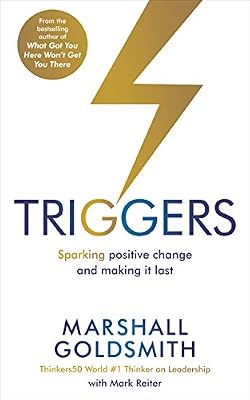
I read each chapter making notes as I read.
At the end of each chapter, I set myself some application questions (that are usable by others) and answered those questions.
I posted my notes with my questions and my answers at the end of each chapter in the Workplace from acebook community of learners that I am community manager for.
I then posted the full set of notes as this blog post.
My overall assessment and response to the book
Another inspiring, encouraging and challenging read.
A great book to apply as you read chapter-by-chapter. I made changes to and improved significantly my Start of Day and End of Day routines by using the Daily (Engaging) Questions. I need to do more work on this to get this practice exactly as I want it.
I can see how by continuing to adopt and embed the practices advocated in the book that I would become more effective and efficient as person in all areas of my life and easier to "live" with.
As I apply the Daily Querstions, I am also looking to apply the Hourly Questions to continue to increase my focus on what I am doing "now" and to get into "deep work" more frequently and more rapidly.
Lots of my application of this book can be seen in the Q&A sections at the start of each chapter in my notes below.
I need to refine and improve on my own Daily and Hourly Questions for maximum impact.
I still have yet to get into the habit of an End of Day routine that I do actually do at the end of each day and not sometime the following day.
There was a very real sense as I went through this book that I was actually being real with and being coached and cheered-on by Marshall.
The book is a great companion book to study and apply with James Clear's "Atomic Habits".
Introduction
Book Club Q&A
Q1: Are you the kind of person who needs big things to happen in your life to trigger change? Discuss.
A1: Not necessarily. My employment history includes a number of periods of redundancy where decisions on my career have been made by others. I still to this day remain reactive rather than proactive when it comes to career. As an ideas person and a learner, I have too many interests to act on all of them deeply especially in terms of career. Even writing this making me think I should epxlore merging some of my top interests for job carfting etc. I do act on instinct and whims. I do have lots of great ideas that get stuck on To Do/Some Day May Be lists. Conscious as I answer that I am not that clear what specifically triggers change in me.
Q2: What sorts of things are on your personal change list?
A2: Career, self-reflection, reading fiction more, journalling, more joy in all areas of my life, leveraging more of my capabilities, exercise, diet.
Q3: How successful are you in making changes to your life?
A3: I have done some amazing things in terms of learning online on my own and with others. Reading more than I have ever done before. Active participant in numbers of tribes for work-related, learning, play things. Living more like a peach than an orange (no segmented lives). More aware of what I can contribute. Acting more on instincts/prompts (per Mel Robbins' 5 Second Rule.
Less so in terms of personal confidence, inner voice/critic, mojo levels, focus, deep work, discipline in all things, career and moving on career-related work.
Q4: As you start reading this book, what are your early thoughts about triggers and how you act or do not act on them?
A4: My tiredness at the end of day is a killer for tasks in that part of the day. I am easily distracted when surfing online due to being curious about everything and being too much of a giver to others. I am easily diverted from the task at hand but am capable of really deep work/learning. I just need to be more so!
Q5: How does your environment impact you in terms of triggers and your consequent responses?
A5: I am part of a family unit and therefore I do not make my own decisions about what to do when. Currently, an issue is watching too much TV as we have got into a routine of doing that and for too long. Ditto with mealtimes etc. At work, doing a project mgt role and a service mgt role it is rare for me to spend lengthy time on any activity without being interrupted with other things.
Q6: How did you feel reading about "regret"? What went through your mind? Do you feel positive about regret?
A6: Part of this is feeling that I will never do all the things that I want to do. That is a source of regret that I need to leverage to do something about! The definition of "regret" cuts deep "the emotion we feel when assesing our present circumstances & reconsider how we got here - we find ourselves wanting". The challenge for me is the volume of interests I have. And this is not "next shiny thing"-related. Part of the solution is to be more reflective on what are my priorities and then act. There are things where I say how do I change this because this is not effective and a source of frustration. I should spend more time reflecting to understand regret more to then use that as a motivating force.
My book notes
work colleague had accident at home, no one to ring who he knew well enough to help him, rang couple, teh wife came, drove him to hospital, stayed 5 hours with him ... realised no close friends/neighbours, wanted to become more like Kay and make friends
not all of us need major issue to prompt change
a book about behavioural change
why we so bad at it?
how get better at it?
how choose what to change?
how make others appreciate that we have changed?
how become the person we want to be?
start by focussing on triggers in our envronment
trigger: stimulus that reshapes our thoughts/actions
appear suddenly / unexpectedly
major / minor
pleasant / counterproductive
stir our competitive instincts or annoying competitor outdoing us
drain / encourage us
infinite in number
environment is major source - not always beneficial
often outside of our control
we feel like victims
but fate is the hand of cards, choice is how we play them
emotion hover over us - feeling of regret - implied every time we ask why we have not become the person we want to be
lots of research for book was responses to "What is the biggest behavioural change you have ever made?"
lots of people emotional about the things they did not change - often overwhelming
often when it is too late to do anything about it
sports presenter had issue re does not play well with others';
his live broadcasts were all under time pressure so he became very demanding, seeped into other areas of his life - patience was the issue
he realised this when chatting with his daughter
regret: the emotion we feel when assesing our present circumstances & reconsider how we got here - we find ourselves wanting
for such a penetrating / wounding emotion, regret does not get much respect
we treat it as benign, something to deny, rationalise away
but
we should embrace it (not too tightly, not for too long)
when we make bad choices we should feel pain
the pain can be motivating and triggering
1 of most powerful feelings guiding us to change
if book succeeds:-
-
you will move closer to person you want to be
-
you will have less regret
Part One: Why Don't We Become The Person We Want To Be?
Chapter 1: The Immutable Truths of Behavioural Change
Book Club Q&A
Q1: What is your response to the author's process when working with his clients?
A1: I am a fan of 360 degree feedback. I implemented this with a team that I managed many years ago. I have not done this now over many year. I value feedback from others to challenge any complacency I may have and also to understand their expectations and where I am meeting these or falling short. It is very rare for me to get any such feedback. 360 is good as it includes your line manager, colleagues, clients, suppliers etc. So I understand and agree with the author's process.
Q2: Comment on "immutable truth #1: meaningful behaviour change is very hard to do" by answering:-
-
what do you want to change in your life? major and minor things?
-
how long has this been going on?
-
how is that working out?
A2: I am continually looking to change things in my life. Many have been ongoing for years! I am looking to confirm or change my career. That has been a focus over the past 3 years and is not progressing well. I am playing at it. I want to address my confidence issues and my loud inner voice/critic. I want to stop talking about doing stuff and actually do stuff. I want to be more self-reflective consistently. I want to make journalling a second nature habit. I want to read more fiction on a regular basis. I want to focus more whilst continuing to be a curious generalist. I want to get my way of working more effective. I want to sort out my content creation, sourcing and sharing processes. I want to be more influential in my areas of interest via demonstrating my capability.
Q3: Give examples of where you have successfully made changes in any area of your life. Why were these successful?
A3: I recently finally got my books out of packing cases and into 3 sets of bookcases. This is the first time since I was 18 that my books have been accessible! I am 57. This was due to my middle daughter forcing me to do this by putting all the boxes in our attic and saying I had to process them into new bookcases 1 box at a time consistently over time.
I have been journalling now for 6 months +. My process is not perfect. This was due to me being given a Five-Minute Journal from a lady friend as a gift for helping her in a 6-week webinar series in which I ran her Slack team and presented one of the 6 weekly topics.
A long time ago I started walking at work. This was achieved by asking someone I barely knew at work if I could tag along with them as I knew they walked for an hour each lunchtime. That was over 10 years ago. I since changed my employer and have been walking on my own now for 8 years.
Q4: What are your thoughts on the obstacles the author lists in making changes;-
-
we cannot admit that we need to change
-
we do not appreciate inertia's power over us
-
we do not know how to execute a change
-
difference between motivation + understanding + ability
-
A4: I believe I know what I need to and/or want to change. There is some inertia. I tend to want to make giant steps whilst knowing small steps are a good start. I am guilty of over-analysing everything (analysis is one of my core job requirements as an IT professional!). I am guilty of being indecisive. This may be my perfectionist tendencies and fear of failure. I suspect that in lots of cases I do know what I should change and how but just do not do it.
Q5: What environmental factors do you already know impact your behaviour and ability to change?
A5: I am not an island so as part of a family of 5 I cannot please myself in what I do the whole time. I have found James Clear's Atomic Habits in forming routines around specific locations at home and at work. I need to explore this more to be more habitual with my routines. Although people would say I am one of the most organised people they know, I am actually terrible in lots of ways including the amount of paper and digital clutter that often makes it hard to rapidly start tasks even pleasurable ones!
Q6: Comment on "immutable truth #2: no one can make us change unless we truly want to change".
A6: This is self-evident. There may be times when the priority of changes change via e.g. personal development plans at work or simply getting our work done. That word "truly" is screaming at me. Perhaps I need to stop playing at or talking about making changes. As a proect manager at my core, I am good at scoping things and defining how to get from here to a target destination when it is other people - less so when it is about me!
My Book Notes
some of my coaching clients reluctant to change
most aware that change will make them more effective, some are not
my process is consistent, speak to their stakeholders, summarise the feedback for the person
it is their ultimate responsibility to change to make them more effective
simply ... I help my clients make positive lasting change in their behaviour that they choose as judged by key stakeholders that they choose
I only get paid if the stakeholders say the person has changed
2 immutable truths
immutable truth #1:
meaningful behaviour change is very hard to do
hard to initiate behavioural change, even harder to stick at it, the most difficult thing anyone can do
e.g.
-
what do you want to change in your life? major and minor things?
-
how long has this been going on?
-
how is that working out?
cf: problems we face in introducing change to our lives:-
-
we cannot admit that we need to change
-
we do not appreciate inertia's power over us
-
we do not know how to execute a change
-
difference between motivation + understanding + ability
-
our behaviour is shaped, positively + negatively, by our environment
a keen appreciation of our environment can dramatically increase our motivation, ability, understanding of the change process but also our confidence that we can actually do it
immutable truth #2:
no one can make us change unless we truly want to change
if you do not wholeheartedly commit to change, you will nevr change
even life and death things can stop us from changing!
this book is about changing your behaviour when you are among people you respect and love
Chapter 2: Belief Triggers That Stop Behavioural Change In Its Tracks
Book Club Q&A
Q1: Assess yourself against each of the belief triggers as objectively as you can. If it helps, how would others who know you well or spend a lot of time with you assess you against these?
A1:
(1) if I understand, I will do
I definitely understand a lot of things but do not always apply my understanding into real life. Potentially guilty of being a theorist in lots of areas, knowing what to do in particular circumestance but no practical experience in those areas often due to lack of opportunity in my current roles. In other cases, it is lack of commitment.
(2) I have willpower and won't give in to temptation
Often focused and disciplined but definitely lack of self-control in a number of areas. Not sure that I am over-confident apart from may be thinking I can do too much and keeping adding things to do, learn etc.
(3) today is a special day
Often start the day with great expectations of changing the world and shortly after falling short and being distracted.
(4) "at least I'm better than ... "
Don't think I ever say this. More often to be found comparing myself unfavourably with others but my confidence is resurging.
(5) I shouldn't need help and structure
I am a list maker but often in too many places with no "one" system that I can guarantee I will review on a regular basis. Am a fan of simplicity. Even started using the hashtag #ClearTheFog. I try to make every thing I do accessible with clear language and never using jargon without explanation. Learning to work and learn more with others. Probably think more lowly of myself than I should.
(6) I won't get tired and my enthusiasm will not fade
Defo happens at the end of each day these days. Tiredness kicks in and best intentions fly out of the window. Visibility and commitment to the "habits" plan is defo an issue.
(7) I have all the time in the world
I often say I am the world's worst estimator. Scares me how fast time goes these days and worsening each year. Made worse by me wanting to do more and more as I get older.
(8) I won't get distracted and nothing unexpected will occur
My curiosiy and fascination with everything is an issue and I am easily distracted via rabbit trails but some of this is helpful re my generalist bias but means things take longer than they should. Not sure if there is a benefit but I love and live for serendipity.
(9) an epiphany will suddenly change my life
I am guilty of wanting to studt productivity improvements and then not acting on what I have learned - almost like I love the studying the subject but not acting on that.
(10) my change will be permanent and I will never have to worry again
Aware that I can backslide easily when forming new habits but often have successes e.g. recent 6 month journaling milestone.
(11) my elimination of old problems will not bring on new problems
Not sure about this one. Lots of everything is connected so sorting one thing out should make next things easier. I am a systems thinker looking for connections and interconnections.
(12) my efforts will be fairly rewarded
I probably do more learning that anyone I know.My motivation is all about capability development and general wanting to know and apply more and more. Part of the reward is simply exercising my brain and staying active in my thinking. Reward is of increasing interest and would love to be better remunerated for my capabilities and delivery.
(13) no one is paying attention to me
I am not an isolation-ist and I am getting significantly better at learning with others and not just on my own. My experience of WOL circles is part of that but so is reading books and the Designing Your Work Life book group that is now underway, Really not fussed if people recognise incremental improvement or not - I know how I am improving and the level of my capability.
(14) if I change, I am "inauthentic"
Defo do not believe this. I plan to always continuously develop myself for as long as I am able to. It does not feel like I am coming to the end of my career. Far from it! I do have some resistance to change or develop and in most cases that is a personal preference thing.
(15) I have the wisdom to assess my own behaviour
Hopefully not that inaccurate. I am capable of assessing situations that I am involved in with complete detachment e.g. lessons learned on projects. I want to be a person who is objective most of the time. I have a strong desire to be and stay as a "Trusted Advisor" to everyone that I relate to.
My Book Notes
story of Bloomberg, Mayor of New York looking to reduce sugar in soft drinks but overturned in court - people will resort to all measures to prevent change - easier attacking source of change than trying to solve the problem
re change for us, we fall back to beliefs that trigger denial, resistance, ultimately, self-delusion - more pernicious than excuses
excuses are always poor
what should we call rationalisations we privately harbour when we disappoint ourselves - "excuse" is inadequate - explains why we fell short of expectations after the fact
our inner beliefs trigger failure before it happens
they sabotage lasting change by cancelling its possibility
these are belief triggers
(1) if I understand, I will do
all the content of this book works
my suggestions will help you understand how to close the gap between ideal you and real you
does not mean you will do it!!
there is a difference between understanding and doing
(2) I have willpower and won't give in to temptation
we deify willpower and self-control - and mock its absence
our environment is a magnificent willpower-reduction machine
cf sirens and Odysseus asking to be tied to mast
our belief in our willpower triggers over-confidence
(3) today is a special day
we make excuses about today and NOT doing what we should that day
excusing our momentary lapses as outlier event triggers a self-indulgent inconsistency - this is fatal for change
we are playing a long game
(4) "at least I'm better than ... "
excuse to take it easy, lowering bar on our motivation + discipline
we've triggered a false sense of immunity
(5) I shouldn't need help and structure
a most dysfunctional belief is our contempt for simplicity and structure
cf power of checklists to save lives in hospitals
three competing impulses:-
-
our contempt for simplicity - only complexity is worthy of our attention
-
our contempt for instruction and follow-up
-
our faith that we can succeed all on our own
.. we lack 1 of the most crucial ingredients for change: humility
(6) I won't get tired and my enthusiasm will not fade
easy to throw towel in when tired - different at start of day
we do not recognise that self-control is a limited resource
the sheer effort of sticking to a plan triggers depletion
(7) I have all the time in the world
we chronically under-estimate the time it takes to get anything done
we believe time is open-ended + sufficiently spacious for us to get to all our self-improvement goals eventually
triggers procrastination
we will get better tomorrow but no urgency to do it today
(8) I won't get distracted and nothing unexpected will occur
life always intrudes to alter our priorities and test our focus
the high probability of low probability events
triggers unrealistic expectations
(9) an epiphany will suddenly change my life
implies that change can arise out of sudden burst of insight and willpower
triggers magical thinking
might produce change in ST but nothing meaninful or lasting - because process is based on impulse not strategy , hopes + prayers not structure
(10) my change will be permanent and I will never have to worry again
disease of I will be happy when ...
we think achieving a goal will make us happy
triggers false sense of permanence
when we get there, we cannot stay there without commitment & discipline
(11) my elimination of old problems will not bring on new problems
triggers fundamental misunderstanding of our future challenges
(12) my efforts will be fairly rewarded
life is not fair
triggers resentment
pursue change because you believe it is the right thing to do
beware external rewards as motivator
(13) no one is paying attention to me
triggers dangerous preference for isolation
incremental change may not be noticed by others but when we fall back all notice
(14) if I change, I am "inauthentic"
some believe that the here and now defines us, represents our fixed + constant selves
triggers stubbornness - we refuse to change because it is not "me"
we can change not only our behaviour but how we define ourselves
(15) I have the wisdom to assess my own behaviour
we are notoriously inaccurate in assessing ourselves
triggers impaired sense of objectivity
---
all those triggering statements are a lot of baggage
these rationalisations do not completely answer the larger question - why don't we become the person we want to be?
even larger reason is called the environment
Chapter 3: It's The Environment
Book Club Q&A
Q1: How aware are you of your environment and its impact on your behaviour?
A1: The example of road rage is a classic for me. Defo learning to be more self-controlled. More aware generally via "Atomic Habits" book. Temperature example is well made too. Too cold or too warm is defo an issue for concentration and focus. Too warm and I get sleepy and ratty. Aware too now that if I change my environment physically including furniture layout that can help significantly. Leaving food etc out is crying out to be eaten/drunk. Need things to be at hand for quick start of tasks. Clutter does not help me but I am bad at not clearing paper documents and other physical things. Same with digital files, I save lots of contentan then have directories everywhere.
Q2: What environments are helpful to you?
A2: Clear of clutter. All the tech works. Rapid start and close of work/etc sessions. Earphones for cutting out open office noise. Concentrated periods of time to work. Started associating places at home and at work with specific tasks for more rapid getting into flow.
Q3: What environments encourage you to go against your core values?
A3: Where I do not set the tone, timing. Certain people bring the worst out of me via my expectations of those people based on past experience. Especially where they are challenging in terms of their way is the only way to do things.
Q4; How do you shop? With a list? What else does this make you think of?
A4: I need to shop with a list to not forget essentials but also to be careful that I do not get what we do not need need. I am not into retail therapy. My curiosity can be fatal in bookshops etc. Not having a to do list may also mean that the end result is the same as my shopping issues! Obvious but came to mind as I was setting these questions!
Q5: Say something about your night routine to the point where you are asleep and any differences across the days of the week.
A5: Usually watch TV and then go to bed. Currently, watching too much TV and that eats into time that could be spent on other things such as reading. These days I get so tired after this that I can't then start reading. Am better at not being on my laptop till crazy hours of evenings/ mornings. Most days are the same. Do enjoy Friday/Saturday nights knowing it is not work the next day.
Q6: List as many of your roles as you can and say something about how the environment impacts how you perform those roles.
A6: Dad/Husband - mostly at home where most of us are the true authentic ourselves. Learning to use different spaces for different tasks, Work - face-to-face in the office, virtual relationships, I try to interact the same. Small number of meeting rooms where configs/environment not ideal (dark walls). Some spaces that I rarely use for lighting reasons. Church Leader/Member - similar to work. Do lots of things in the church buildings, homes, online. Online Communities - easy to communicate/share, discussions, ease of connecting.
Lots of the time I am in environments where there are lots of distractions and I want to manage those in such a way that serendipity still happens.
I have 2 laptops, 1 from work and 1 personal. The personal one does not have MS Office so interchanging issues between me using the 2 machines. This causes friction in how I operate. Yet to sort out an ideal way of working with both.
Q7: At this point in the book what is your assessment of how well you create and control your environment vs how will it creates and controls you.
A7: In recent months I have become more controlling of my environment but it is so easy for me to fall into bad habits. Yet to get a bomb-proof process for my To Do list practice. Keen to get a Weekly Review practice established per GTD. Loads of things saved in Pocket and Evernote that never get reviewed later. Still using various tools but none working ideally either on own or as a set.
My Book Notes
most of us go through life unaware of how our environment shapes our behaviour
cf road rage
cf complaining at poor service to those not responsible
cf air travel used to be hyper-productive for me but as distractions in cabins such as film choices etc became less so
the one disease this books look to tackle is our total mispprehension of our environment
it is at war with us - only interested in what it can take from us - a hostile character in our lives
it is a non-stop triggering mechanism to our behaviour
we need clarity of what we are up against
not all bad, can be helpful to us
much of the time it is the devil
the people we spend time with impacts us
can be as simple as the room temperature being too high!
one tweak in the environment can change everything
the most pernicious (having a harmful effect, especially in a gradual or subtle way) environments are the ones that compel us to compromise our view of right and wrong - can happen to all of us
environment impacts people regardless of what the leader/line manager asks their staff to do
beware environments that encourage us to go against our core values
go shopping with a list!
cf wanting to sleep better:-
-
we have the motivation to sleep well
-
we understand how much sleep we need
-
we have control
why do we not do this? - bedtime procrastination - a choice between competing environments
how we learn to change our behaviour from bad habits to good ones, through discipline rather than occasional good fortune is subject matter - and promise - of the rest of this book
our environment is not static - changes throughout the day
it is situational, a hyperactive shape-shifter every time we enter a new situation putting our goals etc at risk
different roles - leader in some, follower in others
as our environment changes so do we
this situational aspect of our environment is where we will focus
we all know people who get on our nerves and induce us to behave badly - we then behave how we do not want to behave
our behaviour can be situational and can be triggered by specific people in specific or all situations
if we do not create / control our environment, it creates and controls us and we become someone we do not recognise
Chapter 4: Identifying our Triggers
Book Club Q&A
Q1: Say something about how your feel about giving feedback on someone else.
A1: Usually positive given that feedback is a coaching opportunity to praise and challenge and work on improving all of our performance. Can be a challenge when you have hard things to say. Also not ideal when it is not part of the culture of the organisation or the relationship i.e. if you never give feedback often when you have to give feedback it is often because there is a huge issue! Some of us are glass half empty people and are always looking to get better and better and concentrate on that rather than giving praise - we take good and great performance for granted.
Q2: Reflect on the author's assertion that it is rare for people to explain the environment where specific good/bad behaviour happens.
A2: This was an eye-opener for me when I read this in the sense that I do not know whether I do this or not. I do usually try to give specific examples of behaviour to support my feedback and my increasing storytelling capability would flesh out some detail. The content on mojo levels in Liz Ryan's Reinvention Roadmap has helped me in this area as she encourages you to think about situations, people and activities that add to or reduce your mojo levels. That was revealing!
Q3: How do you respond to speed display monitors?
A3: I am usually competitive to ensure that if the number is red, to get that number back to green! A classic example of a real-time feedback sensor.
Q4: Discuss the 4 feedback stages and your current experience of doing or not doing each of the stages. (evidence, relevance, consequence, action)
A4: My main issue here is in collating evidence and then doing something about it.
Evidence: my weekly time sheet is a good indicator of how I have spent my work time and increasingly how I spend my leisure time. Not much evidence of my work performance from work managers, colleagues. I should get more evidence from outside of myself to really understand how I am doing in other people's eyes.
Relevance: Any form of feedback on me from others or myself, I process for validity and relevance as it may be nonsense or a perception issue. I have a lot going on so often this kind of reflection does not get done. Also I have a fierce inner critic that needs more taming and ideally eliminating.
Consequence: The significance of the feedback for me is usually low in a work context - a good thing as it means I am performing well - is my assumption! I am not complacent! There are the occasional relationship issues that I work on to maintain positive work/friend/family relationships
Action: This relates to a wider issue of my wide reading with lots of actions that I take away from every book - even listing things to act on and then rarely do. I am getting better at this but there is still a long way to go. My One Word for 2019 was "apply" to specifically target applyig what I read. One of the issues is going back to the learning to-do/apply list and acting on that. I do try to relentlessly improve my "performance" of whatever I do to do it more effectively and efficiently.
Q5: How do you respond to receiving feedback? Go as wide in your thinking as you are able to.
A5: It is quite rare. I crave it. I ask after I have done things how I/we did - regardless of whether I thought it was OK or not OK etc. Not a fan of receiving feedback some time later rather than at the time and in response to something else - like it had been stored up. I listen to all feedback. I process it objectively including validating it myself and asking other people for clarification/validity too. I am my own worst critic with an angry inner voice so most feedback is usually less strong than my own on me! In my work experience feedback has been rare. Often this has only been as part of an annual performance review (not had one at my current employer - been there 8 years 4 months. Even in those reviews there has been little evidence to substantiate good/less good performance. I am a fan of proactive feedback and 360 degree feedback, I can get defensive but that is mostly because it is so rare! This is like an extension of how self-reflective we are and how we process our reflection of how other people re performing around us including customers and suppliers.
Q6: Now that you have read this chapter, say something about the triggers to your behaviour in your environments.
A6: I learned loads from James Clear's Atomic Habits. Interested in physical environments / locations triggering things e.g. how easy or otherwse it is for me to start something (clutter issues, desk not tidy etc, leaving specific things in specific places so they are easier to do when you see them, and the reverse so not leaving things where they can trigger bad things. Also things about routines at start/end of day or on work startup or work close.
Q7: Say something about the explanation of behavioural triggers: direct or indirect, internal or external, conscious or unconscious, anticipated or unexpected, encouraging or discouraging, productive or counter-productive.
A7:
-
direct or indirect - clear that distractions are direct, other triggers are a slow burn as I dwell on things in my mind
-
internal or external - hard to identify both kinds in a timely fashion to do something about them; I suspect for me external ones are easier to see at the time and internal ones are much harder; I am looking to tame my inner critic and part of that is identifying what triggers such episodes re who involved, where and when for recurring themes; the question is making me think whether I have ever processed these internal triggers in terms of what triggers thoughts and feelings, I suspect some of these will have external triggers but questioning now that that cannot always be external things so begs the question what is triggering these things in my mind if not external!!
-
conscious or unconscious - increasingly aware of both but as above need to get better at the self-analysis so I can interrupt sub-optimal responses; the weather does affect me in some ways. not necessarily all the time but I am aware that our reponse to weather is a decision!
-
anticipated or unexpected - this is where I say that I am a catastrophiser, part of this may be an excuse re I am a project manager at my core and part of that role is understanding all the risks that could impact progress on a project but I am worse about me! This fear is often crippling casuing avoidance, procrastination, never doing something, over-analysing etc. I need to be better at managing my assumptions of when things are likely not to go well because of the people involved. In some cases this also causes me unconsciously not to do things that I would normally do as a matter of course eg asking someone in a challenging team if their colleague is on holiday and not checking in the company calenday first!
-
encouraging or discouraging - I need to do more with the reward triggers, things that make me do good things and address the penalty triggers where I am triggered to do "bad" things e.g. removing temptations
-
productive or counter-productive - I see these as pairing with the ones in the prior item; interesting assumption here that we have actually "defined" the person we want to be! Makes me think if there are specific things that I do that I have never thought are the triggers encouraging and productive and are the resulting behaviours taking me nearer or further away from the person I want to be
Q8: Apply the exercise from the chapter to some challenges in your life:-
-
pick a behavioural goal you are still pursuing
-
list the people and situations that influence the quality of your performance (do not list all the triggers, too many!)
-
define the triggers per the 4 pairs above
-
chart them (against those 4 pairs)
-
work through what you need to do in response
template headings: goal, people, people, situations, triggers, chart (want it, need it | don't want it, don't need it | need it, don't want it | don't need it, want it), actions
A8:
-
goal: do time records and journalling in a timely manner so it is not left till the end of a week;
people: me!
situations: need to write things down in real-time else I forget
triggers: should be each time I start and complete something anythin
chart: need it, don't want it - forcing me to say that I desire the journal more than I can be bothered to do it - counts as grunt work, need to see the later value more; issues around process and me having a routine to do it easily; often fail to do this through tiredness at end of day; may mean doing this incrementally during days
actions: get the desire more strong! sort the process out for capturing the raw data
-
goal: spend more time reading and away from TV
people: me and wife
situations: default behaviour as we eat in the evenings, 2h+
triggers: end of meal, end of a programme, what to do next, tiredness does not help
chart: want it, need it
actions: actually act to do what I want & need - need the desire more rather than path of least resistance
Q9: Any final thoughts on this chapter.
A9: Struggled with the charting content and actually understanding how to classify BUT may be the want and need is the core issue re me paying lip service to wanting/needing and not following through; looking like I need to up my game; does this simply mean that my actions are actually the want and not the need.
My Book Notes
when getting feedback on someone, some prodding of the person givng the feedback is required
lots of issues: people are decent, not wanting retribution, reluctant to say what they really think even when anonymous, but ultimately realise being truthful will be helpful
rare for people to explain the environment where specific good/bad behaviour happens
good qs include when does the person act like this? with whom? why?
slowly dawns on people how environment impacts behaviour
giving/receiving feedback is 1st step in becoming smarter. more mindful about connection between our environment and behaviour
feedback teaches us to see our environment as triggering mechanism
in some cases, the feedback itself is the trigger
cf speed displays on roads and impact on drivers' behaviour = feedback loop
these can help in other areas of our lives
feedback stages:-
-
evidence - ideal if real time
-
relevance
-
consequence
-
action
cf presenting evidence to the person being coached
the world never looks the same again
our behaviour is something we can control
as a trigger, our environment has the potential to resemble a feedback loop
where a well[-designed feedback loop triggers desirable behaviour, our environment often triggers bad behaviour - it does so against our will be better judgement and without our awareness - we do not know we have changed
obvious question: what if we could control our environment so it triggered our most desired behaviour - like an elegantly-designed feedback loop?
-
propels us, not blocks us
-
sharpens us not dulls out to our surroundings
-
opens us, not shuts us down
behavioural trigger: any stimulus that impacts our behaviour:-
-
direct or indirect
-
response time before impacting behaviour
-
-
internal or external
-
external: from environment assaulting our senses
-
internal: thoughts/ feelings not connected with outside stimulus
-
many meditate to dampen internal voice
-
-
-
conscious or unconscious
-
conscious: require awareness
-
eg response to touching v hot surface
-
-
unconscious
-
e.g. people being happier when sun shines
-
-
-
anticipated or unexpected
-
we see anticipated ones coming a mile away - predictable
-
-
encouraging or discouraging
-
encouraging are reinforcing
-
discouraging push us to stop / reduce what we are doing
-
-
productive or counter-productive
-
productive: push us towards the person we want to be
-
triggers not inherently good or bad - what matters is our response to them
cf parenting 2 kids the same way - 1 grateful, 1 rebels
last 2 dimensions - encouraging or discouraging and productive or counter-productive - the timeless tension between what we want and what we need
short-term gratification vs long-term benefit
we never get a break from choosing one or the other
we define what makes a trigger encouraging, productive
combinations:-
-
encouraging (we want it) and productive (we need it)
-
praise
-
recognition
-
admiration
-
money
-
-
discouraging (we don't want it) and counter-productive (we don't need it)
-
isolation
-
disrespect
-
ostracism
-
peer-pressure
-
-
productive (we need it) and discouraging (we don't want it)
-
punishment
-
rules
-
discipline
-
fear
-
pain
-
-
counter-productive (we don't need it) and encouraging (we want it)
-
temptation
-
distraction
-
pleasure
-
note these are not definitive and may be different for different people
good to use as analytical tool
exercise:-
-
pick a behavioural goal you are still pursuing
-
list the people and situations that influence the quality of your performance (do not list all the triggers, too many!)
-
define the triggers per the 4 pairs above
-
chart them
-
if falling short of goal, this exercise will tell you why
-
-
work through what you need to do in response
my hope is that the exercise:-
-
makes us smarter re specific triggers
-
helps us connect the triggers directly to behavioural successes/ failures
possibly greatest payoff of identifying/ defining triggers - no matter how extreme the circumstances, when it comes to our behaviour, we always have a choice
Chapter 5: How Triggers Work
Book Club Q&A
Q1: What is your experience of looking at things that trigger you positively or negatively?
A1: I recently read and am continuing to apply James Clear's Atomic Habits. I am increasing my awareness of what triggers me and trying to process those in a way where I am more conscious and mindful of my responses. This is not straightforward especially with things that trigger in your mind rather than something in the physical world around you. I need to do more conscious work on this. I am a fan of Mel Robbins' 5 Second Rule to act on triggers where the outcome could be positive and not just cave in to my lizard brain that tries to prevent us doing anything.
Q2: Explain to someone who has not looked at triggers at all before what triggers are.
A2: Triggers are incidents in all parts of our life (including thoughts in our mind) that "make" us respond in some way. I like Stephen Covey's description of a stimulus and a response and inbetween those there is a decision and a choice to make in terms of how we respond to the stimulus. We will decide more productively what to do in response to the stimulus if we can slow the response process down to rapidly think through the consequences and then act accordingly.
Q3: Explain the author's variation in the trigger response stages from other authors.
A3: The author makes the point that there are often other people involved when we respond to triggers and we need to have "awareness" of them in our decision making process in response to triggers.
Q4: How trigger happy are you in big and small moments in your life? Trigger happy: ready to react violently, especially by shooting, on the slightest provocation.
A4: I still respond instinctively a lot of the time when I should respond in slower and different ways. This is even the case when I know what the right thinking and response process is. I need to embed some of these processes more deeply so they to become instinctive too. I try to capture examples of this in my journal as well as successes!
Q5: What is your main learning to apply from this chapter?
A5: I loved the comment about if there are no bullets in the gun the trigger does not matter. I need to remove the bullets.
My Book Notes
we always have a choice
trigger - response sounds like there is an automatic link with no time for hesitation, reflection, choice
at UCLA, looked at ABC - antecedent, behaviour, consequence
Charles Duhigg (The Power of Habit) used cue, routine, reward
his Golden Rule of Habit Change - keep cue + reward, change the routine
idea of a competing response to the cue
the middle part - the routine - is the key
habit loop is fine for habits but more complex when other people are involved - our habits and responses are not just us in isolation but impact on others is also a factor
we must be adaptable not habitual
so sequence for me is - trigger - impulse - awareness - choice - behaviour
the IAC part is fraction of time
all about paying attention
often we act on auto-pilot
cf exchanges of gratitude: formulaic gestures, neither distinctive nor attention grabbing
the more aware we are, the less likely any trigger, even in must mundane situation, will prompt hasty unthinking behaviour that leads to undesirable consequences
so not on autopilot but slowing down to think it over + make considered choice
we do this in big moments in our life - we do noy yield to impulse, we reflect, choose, respond
so big moments are OK but the small moments trigger some of our most outsized / unproductive responses
if there are no bullets in the gun, the trigger does not matter
but some of us are easily triggered and can't resist our first impulse
even more perilous are moments with family, close friends where we can say anything etc - can cause rifts lasting decades
what are your first impulses?
how you respond is important and consequential
will you take a breath and make a smarter choice?
Chapter 6: We Are Superior Planners and Inferior Do-ers
Book Club Q&A
Q1: Discuss whether you think it is practical to tailor your leadership style to each member of your team and your team's work situation?
A1: It is more work and the more team members you have the more work you have to do. The challenge is to actually do this and requires you to understand where each team member is coming from, what their capabilities are, their role, their career strategy and what you need the team to deliver. Personally challenged in a good way that coaching is THE key skill for managers and leaders to address the woeful employee engagement figures across the world. This requirement extends to all members of our team including contract staff, suppliers, customers etc to get the job done.
Q2: To what extent are you mindful of the specific situation and individual(s) that you are dealing with and then go on to change your behaviour?
A2: I try to be deeply mindful of this and would like to think that I am getting better at this over time. I love getting to know the capabilities and ways of working of those I lead, manage, work with. I should be more mindful and conscious of doing this to further improve.
Q3: Discuss the 4-styles of situational leadership. Do you naturally gravitate to one of these styles regardless of the situation and individual? Explain.
A3: Directing - very rare for me to do this unless urgent, quick decisions are needed.
Coaching - I love doing this especially where the subject/topic is something where we need to do this repeatedly in the future.
Supporting - I love making sure that people are happy with the task that they are doing and flex the support I give based on their responses and what they want.
Delegating - this is what I try to aim for with anyone I work with or for. I want everyone to be autonomous in what they do and confirm with them that the job is done and in many cases go on to a continuous improvement conversation around how can we do this better, more effectivey, efficiently.
With all 4, trust is paramount so that I suss people out over time and form my own view not simply accepting other people's views unquestioningly.
Q4: Do these 4 styles cover every eventuality and situation? Discuss.
A4: I have had a long-standing interest in how urgency impacts what we do. In normal everyday calm situations, all these 4 apply. But in urgent, extreme etc situations, leaders need to lead and direct as there is no time for discussion, brainstorming options, coaching etc. Situations would include A&E departments in hospitals, battlefield situations and similar. However, even in these situation there are ways of using the 4 styles to get the job done by explaining what you are doing and so on.
Came back to this question after starting on Q5. I am aware that some people (can't call them leaders!) abdicate and do not lead at all and simply leave their team to get on with tasks without any validation of team capability to do them.
Q5: What do you see of situational leadership in leaders around you?
A5: Rare for me to consciously look and assess this in others. I sense that most people have a preferred style and will use this style regaredless of the situation and person.
Q6: Discuss the author's view that each of us has a planner and a do-er inside of us.
A6: This content drew me in. This is very true for me as I am a planner and get lots of things done. Interested in exploring this in greater detail. Making me wonder whether I do actually plan and do effectively and what I should be doing to further improve. Still wrestling with what my ideal To Do list and task execution process should be.
Q7: What was your initial response to the idea that we need to apply situational leadership to ourselves?
A7: I was really frustrated when this was not spelled out in detail in this chapter. I am not sure how this would work - how would I micro-manage myself (e.g. use of Pomodoro, if I need to be directed would i spell out each milestone from start to completion to keep distracted me focused?). Hoping this gets covered in the next chapter or later. I am intrigued. I want to understand and deploy this.
Q8: Two films were mentioned. Do you plan to watch them? Why?
A8: Yes. I already linked to the trailers and it looked like full versions of the film are available for free on YouTube. I love films for communicating skills, leadership, how teams work. I have led a monthly film club at church for c15 years. Even this week, I have been watching "The Last Dance" about the Chicago Bulles when Michael Jordan was on the team and the team dynamics around him,
My Book Notes
UCLA PhD mentor was Paul Hersey - situational leadership - developed with Ken Blanchard - leaders have to adapt style to fit the peformance readiness of their followers
readiness varies by person & task
they believed leaders should:-
-
keep track of shifting levels of "readiness" in each person on team
-
stay highly attuned to each situation
-
acknowledge that situations change constantly
-
fine-tune their leadership style to fit their team members' readiness
distinct styles:-
-
directing
-
where person needs lots of guidance for task
-
1-way convo
-
little input from team member
-
-
coaching
-
where person needs above average guidance
-
above average 2-way dialogue
-
for those who want + need to learn
-
-
supporting
-
person has skills for task but lacks confidence to do it on own
-
below average direction
-
-
delegating
-
person high on motivation, ability, confidence
-
knows what to do, how + can do it on own
-
off you go, if you need any help ...
-
no style better than another
each appropriate to situation
the least effective leaders never understand this
Measure your need, choose your style
situational leadership perfect analogy to a dynamic that exists in leader/ follower, planner/ do-er, manager/ employee
inside all of us, 2 separate personas:-
-
leader, planner, manager - plans to change his ways
-
follower, do-er, employee - executes the plan
we think they are the same but we are wrong
we start each day as 2 people and grow further apart during the day
we start mostly with a plan that gets shot as the day progresses
when has your day ever worked out exactly as you planned it?
why would you expect this to work?
we have to deal with environment that is hostile not supportive
situational leadership cf adult behavioural change
as your day progresses, measure the need, choose the style
apply this situational approach - how we manage others should be how we manage ourselves
you need prompts for each situation as reminders
you cannot rely on seamless compliance between the 2 personas
to change unproductive behaviour as leader of others, you first have to change behaviour between leader and follower in yourself
so to apply personally ....
terms:-
-
planner - the part of us that intends to change our behaviour
-
do-er - the part of us that actually makes change happen
we are superior planners and inferior do-ers
too many examples of our well-meant planning and less-than-stellar doing
our falure to do what we plan is a certainty
yawning gap between planner and do-er persists even when conditions for success are practically ideal
"everyone has a plan until they get punched in the face" (Mark Tyson)
our environment punches us in the face repeatedly
film examples:-
Chapter 7: Forecasting The Environment
Book Club Q&A
Q1: Say something about you and forecasting for significant and less significant moments in your life.
A1: I usually prepare well for anything I do. But yes there are set-piece events, special moments, significant interactions that I do meticulously prepare for ahead of time running through all eventualities. One of my challenges is making sure that I do not over-prepare so that there is no room for spontaneity, serendipity or allowing others to drive the "meeting" where they would like it to go.
Q2: Could you see "weather" forecasting taking a more significant role in your life? Why? Why not?
A2: Never thought about it in that way Interesting. May be I need to be more optimistic in my planning and not catastrophise. Another thing that comes to mind is that may be in some cases I need to prepare more for more things. Lots of my interactions with people are not pre-planned and in my work roles I need ideally to be ready for anything at any time. Now reminded of David Allen (GTD)'s mind like water.
Q3: Say something about you and anticipation.
A3: Yes I need to be more aware of the smaller moments and how I respond in the moment. I could often respond better and be more the real "me" in my interactions. I could be more overtly prep-ing for meetings etc ahead of time. There are occasions when I wait for full information before proceeding and I do need to proceed more quickly more often.
Q4: Say something about you and avoidance.
A4: I am usually pretty good at this. It is rare that I get myself into scrapes by being in the wrong place at the wrong time. What is coming to my mind is that I often come to a situation with pre-history of similar interactions that are not helpful to the now interaction. I could choose my timing and impact better and avoid repeating past "failures".
Q5: Say something about you and adjustment.
A5: I am getting better at making changes and introspection Q&As like this are helping to see me as I really am and to identify ways of becoming more effective at life, work and play. The introspection journey is in its early days!
My Book Notes
people who check the weather regularly because of their hobbies
if we did that for our working day, we would not be so blindsided by our environment so often
after acknowledging our environment's power over us, forecasting is what we must do next
three interconnected stages
1: Anticipation
when something big is about to happen in our lives and failure is not an option we are masters at this
when our performance has clear and immediate consequences, we rise to the occasion - we create our environment - we do not let it recreate us
problem is majority of our day is small moments - we do not associate situations with any consequences
ironically these seemingly benign environments are when we need to be most vigilant
when we do not anticipate the environment, anything can happen
"the triumph of hope over experience"
2: Avoidance
"Half the leaders I have met don't need to learn what to do. They need to learn what to stop."
same with our environment
often smartest response to an environment is avioding it
we are generally good at avoiding environments that present a physical or emotional risk or otherwse unpleasant
but we rarely triumph over environments that are enjoyable - we would rather continue enjoying it than abandon or avoid it
part is due to inertia - takes enormous willpower to stop doing something enjoyable
bigger part is our fundamental misunderstanding of relationship between our envronment and temptation
temptation is mocking sidekick who shows up in any enjoyable environment urging us to relax etc
temptation can corrupt our values, health, relationships and careers
we have delsuional belief we can control our environment - we flirt with temptation rather than run away - constantly test ourseleves against it - dealing with shock & distress when we fail
the impulse to always engage rather than selectively avoid is one reason I am called in to coach people - they need to learn to exercise restraint rather than exercising power
cf dramatic narrative fallacy - the idea that we have to spice up our day by accepting more, if not all, challenges to overcome rather than to avoid - sometimes better part of valour - and common sense - is saying "I'll pass" - cf dull rounds of golf to par than rollercoaster
poliiticians are masters of avoidance why aren't we?
to avoid undesirable behaviour, avoid the environments where it is most likely to occur
3: Adjustment
but many moments in life when we can't avoid
if we are lucky, this is the end product of forecasting - but only after we anticipate our environment's impact + eliminate avoidance as an option
adjustment does not happen that often - most of us continue our errant ways unchecked
we succeed despite, not because of, falling into the same behavioural traps again and again
adjustment happens when we are desperate to change, or have unexpected insight or shown the way by another person (e.g. friend, coach)
making mistakes is how we learn
Chapter 8: The Wheel of Change
Book Club Q&A
Q1: Say something about "creating: positive elements to create in our future" and whether this is easy or hard for you. Any examples of what you are trying to change in this area in any part of your life.
A1: Developing a full practice of journalling to enable me to self-reflect. To wayfind rather than use GPS with my career i.e. keep on trying and doing new things i.e. to take a step. Trying journaling with pen and paper. Seeking to establish Sabbath practice from start of day to end of day including Sabbath book reading. Establish an end of day ritual to close off the day with a clean edge.
I like starting new things and wanting to make a success of them. I need to be careful not to drive myself so hard by taking on too much.
Q2: Say something about "preserving: positive elements to keep in our future" and whether this is easy or hard for you. Any examples of what you are trying to change in this area in any part of your life.
A2: Continuing to try things and to offer to help people when prompted. Book reading strategy of reading a sections, asking questions, answering the questions and then posting all those in a book club platform then posting the whole set as a single blog post. Continue my walking discipline. Offering help to others. Proactive and reactive sharing of resources, content etc.
I like to continue doing things that add value to me and others and things that I enjoy doing. Less easy when they are not so easy or pleasurable.
Q3: Say something about "eliminating: negative elements we want to eliminate in our future" and whether this is easy or hard for you. Any examples of what you are trying to change in this area in any part of your life.
A3: Remove the distractions that prevent me from focusing on what is truly important and what I should be doing in all areas of my life and be more effective and efficient as a result. Eliminate inner voice where that voice is saying unhelpful things. Eliminate bad eating habits. Eliminate late nights to bed.
I am getting better at saying "No". Hard to eliminate things that I enjoy doing but need to be eliminated.
Q4: Say something about "accepting: negative elements we need to accept in our future" and whether this is easy or hard for you. Any examples of what you are trying to change in this area in any part of your life. Work is a necessity. Some parts of that will be drudge or less-than-exciting. Understand that and just get through that as fast as possible or job craft it out (e.g. via DYWL). Accept the aches and pains of getting older but ensure I get medical advice when needed (none needed so far as far as I know). Some things I will never be interested in doing, learning about or studying. Continue to accept that my role is to invite and it is for others to accept.
These sound similar to DYL/DYWL gravity problems. I find it easy to let these things soak up time and prevent me from getting on to more interesting things. I need to make those things even more appealing to spur me on in an accelerated way.
Q5: Any other comments you would like to make about this chapter?
A5: The headings reminded me of the classic end of course/training etc questions of Stop, Do More Of, Do Less Of, Start.
I do not normally consciously think about my life in this kind of classification. Making me think that it may help if I did and to clarify what belongs in each category.
Reminded of Jack Dorsey's "To Not Do" list.
My Book Notes
interchange of 2 dimensions that we need to sort out before we can become the person we want to be:-
-
Positive to Negative axis: elements that help us or hold us back
-
Change to Keep axis: elements that we determine to change or keep in the future
so 4 options:-
-
change or keep the positive elements
-
change or keep the negative
the wheel of change:-
-
creating: positive elements to create in our future
-
preserving: positive elements to keep in our future
-
eliminating: negative elements we want to eliminate in our future
-
accepting: negative elements we need to accept in our future
these are our choices
all equally important
3 more labour-intensive than we imagine
-
Creating
-
glamorous - a new "me"
-
appealing, seductive
-
be anyone we choose to be
-
challenge to do this by choice not as passive bystander
-
are we creating ourselves or wasting the opportunity and being created by external forces instead
-
not an option that comes easily to any of us
-
if we are just satisfied with our life, we yield to inertia - continue doing what we have always done
-
if dissatisfied we may go to other extreme and fall for any new thing/idea with nothing taking root and building a new "me"
-
= chasing not creating
-
adding to inventing is spectrum - often is just a case of adding not a complete reinvention
-
we always have a chance to create better behaviour in ourselves
-
all we need is impulse to imagine a different us
-
-
Preserving
-
sounds passive + mundane but is a real choice
-
needs soul-searching for what serves us well
-
needs discipline to refrain from abandoning it for something new + shiny + not necessarily better
-
we do not do this preserving enough
-
successful people are doing lots of things correctly so lots to preserve!
-
they also have core urge for steady advancement and constant improvement
-
they are geared to fight status quo not maintain it
-
when choice of being good or getting even better they instinctively go for the latter + risk losing some desirable qualities
-
preserving can be transformational
-
radical combo of preserving + creating
-
this tactic only looks good in hindsight + only to the person doing the preserving
-
we rarely ask "what in my life is worth keeping?"
-
preserving a valuable behaviour means 1 less behaviour we have to change
-
-
Eliminating
-
our most liberating, therapeutic action but we make it reluctantly
-
like decluttering, we never know if we will regret chucking something
-
may be:-
-
we will need it in future
-
it is the secret of our success
-
we like it too much
-
-
beware "sacrificing the future on the altar of today" (Drucker)
-
easy to do when the thing is hurting us and certain + immediate benefits
-
the real cost is sacrificing something we enjoy doing
-
-
Accepting
-
the rare one
-
our natural impulse is to think wishfully rather than realistically
-
even worse with relationships, we hear what we want to hear not what we need to hear
-
some can't accept a compliment
-
most valuable when we are powerless to make a difference
-
our ineffectuality is precisely the condtion we are most loathe to accept - triggers our worst moments of counter-productive behaviour
-
our episodes of non-acceptance trigger more bad behaviour than the fallout from the other 3 combined.
-
1 of 1st exercises I usually start with is the wheel of change with cients, asking the questions positively re what needs eliminating etc
wheel of change users often surprise themselves with the bold simplicity of their answers
works well in teams and 1:1
no wrong or right answers as long as we are honest
beware thinking people's answers are glib - they may be powerfully deep and well thought through
asking these QS is rarely a self-adminstered test
discovering what really matters is a gift, not a burden - accept it and see
executing the change we hold as a concrete image in our mind is a process - requires vigilance and diligent self-monitoring
demands a devotion to rote repetition that we might initially dismiss as simplistic and undignified, even beneath us
more than anything, the process resuscitates an instinct that has been drilled into us as tiny children but slowly dissipates as we learn to enjoy success and fear failure - the importance of trying
Part 2: Try
Chapter 9: The Power of Active Questions
Book Club Q&A
Q1: What did you think about the magic moves of apologising, asking for help and optimism.
A1: I would not necessarily have thought of those specific 3 things as "magic moves" if asked but they do make sense. I would say that I probably over-apologise especially where it is for actions or omissions on my part where I am representing the whole organisation into a client for example. I am quite strongly self-reliant so would normally seek to do something myself before asking for help. One of my core issues is around people asking for help who have not done anything or very little to do something for themselves. I usually tailor my help when asked based on how much work the asker has done. Working with pessimists is depressing! Much better working with people who have hope and joy. I do try to spread hope and joy to those I work with. I need to do better with my own attitude that can be quite relentless at times especially when under pressure.
Q2: What did you intially think about the 4th magic move of active questions?
A2: I love questions! I cannot do my job or any of my life roles without being able to ask sensible and incisive questions. I am also aware that questions when worded well can trigger deeper and the real answers from the other person. I did not know what active meant when it was first used in the book before it was explained. I am used to the relative benefits of open vs closed questions. Clearly, the words you use in a question or a set of questions are key to actually getting answers to what you need to know.
Q3: Explain what active questions are.
A3: Questions that force the person being asked to look at themselves and respond about what they personally are doing rather than what others around them are doing.
Q4: Explain what the benefits of active questions are for a person and for the organisation.
A4: Raises the accountability of the person answering. Makes them responsible for their actions and empowering them by indicating that they have agency in their role. If everyone in the organisation acted in this way it would unleash a powerful motivating force to change how I/we do things.
Q5: How familiar were you with the term "employee engagement" before reading this chapter?
A5: Initially it came across as a buzzword. I am now more aware and find the term useful especially when it looks at the whole life cycle of applicant through to alumni. With the increasing use of contract staff, the word employee may not be helpful as I would want everyone working in my organisation to be fully engaged. May be this just needs to be "people" or "human resources".
Q6: Say something about each of the levels of enagement and what you think of the naming of each one. Do you have better labels?
A6: I would definitely want to work towards everyone being "committed" and if they were not I would be seeking to understand why and put remedial steps in place to get that sorted. I am a fan of 360 degree feedback and would want to ensure that active questions were part of the question set for each type of person relating to the person in the "spotlight". There is no room for "cynical" or "hostile" people in teams that I lead or am a member of and I would want to continually act to sort that out.
In terms of labels, my own understanding of the term "professional" comes from David Maister's work and for me that word should be the pinnacle for the active/positive engagement levels. I would also want to come up with a better word than "committed" for passive/positive. "Neutral" came to mind but that is not ideal.
Q7: What else would you want to say about ways of increasing employee engagement?
A7: I am a fan of Gallup's work on engagement. The key to engagement in my mind is the manager of the person in question and each 1:1 relationship should include a regular e.g. weekly 1:1 session where the person is actively, specifically and directly coached by their manager. There are clearly also obvious givens for engagement including role clarity, work clarity, ability of the person skills-wise to do the job they are being asked to do.
My Book Notes
as a coach I only have a handful of magic moves
1 such is apologising - apology is where behavioural change begins - only a hard heart does not forgive
another is asking for help - sustains change process, keeps it moving forward
optimism is another - people are attracted to and want to be led by optimisists - almost makes change a self-fulfilling prophecy
the magic comes from how effectively they trigger decent behaviour in other people + how easy they are to do
a 4th magic move is asking active questions - easy to do
objective is to alter our behaviour not that of others
the act of self-questioning changes everything - so simple, so misunderstood, so infrequently pursued
discussion of poor return from huge training + dev spend in States
orgs may do things that stifle not encourage engagement
surveys by orgs ask passive questions - Qs that describe a static condition e.g. "do you have clear goals?"
"passive" because it can cause people to think about what is being done to them, not what they are doing for themselves
when asked passive Qs people invaiably answer envronmentally - eg re goals, if answer is no implication of blame elsewhere and not taking ownership
continues when asked about positive changes to make, As focus on environment, not the individual
so is like "what are we doing wrong?" and getting a laundry list of what the org is doing wrong
they can be useful Qs but can produce v negative unintended consequences - prevents personal accountability + ownership
so reframe to "did you do your best to set clear goals for yourself?"
My brief history with engagement
employee engagement is a cherished + loaded concept wiyh HR pros
engagement - mystically idealised conditions for employees cf in the zone athlete
is elusive + misunderstood
drivers of engagement
engagement at all time low
why after all the investment in training etc
fully engaged people are positive + proactive about their relationship to their job
dimensions - positive vs negative, active vs passive
levels of engagement:-
-
committed - active - positive
-
professional - passive - positive
-
cynical - passive - negative
-
hostile - active - negative
with hostile or cynical people, I want to ask:-
-
what genius hired you?
-
what happened to you?
post coaching + training, people do not get better without follow-up ... so let's get better at follow-up with our people
Putting active questions to the test
issue tho is that this view emphasises the role of the org in engagement
this ignores half the equation
what do staff do to engage themselves?
tested the theory that a different phrasing of the follow-up questions would result in measurable impact as they ask what the person can do to make a positive difference in the world
.. what can you do for your country? ...
e.g. 1 set of Qs:-
-
how happy were you today?
-
how meaningful was your day?
-
how positive were your relationships with people?
-
how engaged were you?
and another set of Qs:-
-
did you do your best to be happy?
-
did you do your best to find meaning?
-
did you do your best to build positive relationships with people?
-
did you do your best to be fully engaged?
in a study the author conducted, active Qs doubled the improvement
simple tweak in language of follow-up makes a significant difference
Chapter 10: The Engaging Questions
Book Club Q&A
Q1: How valid to you are the 6 generic Daily Questions?
A1: See list and comments below.
-
set clear goals today
-
I always set out to do that
-
rarely write them down
-
not all my time is under my control
-
in parallel, I am continuing to try to be spontaneous which challenges goal setting - does it?
-
it would be helpful if I did this more consciously, actively and may be write them down
-
-
make progress towards my goals today
-
defo a do-er and not just a planner
-
could be more of a relentless do-er and not so easily distracted
-
defo need to see progress
-
not good at scoreboards
-
dabbled at pomodoro - not fund a workable system for me (yet)
-
-
find meaning today
-
often elusive
-
probably selfish to me
-
meaning defo makes mehappy
-
I need to be more satisfied with what I do and be less relentless, driven
-
-
be happy today
-
defo need to be more happy in myself and in all areas of my life
-
-
build positive relationships today
-
I try to do this with everyone
-
I do avoid some people some of the time which I am looking to address
-
-
be fully engaged today
-
see earlier comments on distraction
-
defo need to be more focused
-
In summary, then, all 6 apply and I am already aware that in some cases I should spell out what some of the questions/words mean to me
Q2: Score yourself for all 6 generic Daily Questions with a commentary to justify your score out of 10
A2: See list and comments below.
-
set clear goals today - 6
-
OK but could get significantly better at writing them down and following through
-
also including all areas of my life not just work and learning
-
I do let time fritter away - it is scary when I track how long I have been spending on distractions
-
-
make progress towards my goals today - 5
-
lots of carrying forward and avoiding hard/challenging goals especially those that are not enjoyable and take lots of time
-
need to up the urgency in positive not distracted ways
-
-
find meaning today - 4
-
I don't define meaning explicitly but the implicit must be driving me to do the learning etc that I do
-
could defo be spending more time be-ing and not just do-ing
-
-
be happy today - 6
-
I probably could be happier and spend more time being that than worrying about things
-
-
build positive relationships today - 6
-
always look to do that in my interactions with people reactively and proactively
-
-
be fully engaged today - 4
-
I could be so much more engaged in the task at hand and be more focused
-
would love to get into Deep Work as easily as I can fall asleep - frictionless to start/ resume anything
-
Q3: Will you seek to apply Daily Questions in your daily routine(s)? Why? Why not?
A3: I will try to. This may well be the final piece in my self-care, Atomic Habits, Deep Work, Sabbath jigsaw
Q4: What short-term questions would you include in your Daily Questions?
A4: My facilitation of DYWL book group. DYWL actions to up my career capital. Izzy leaving for uni. Fiction reading. Next steps after DYWL. Sabbath reading.
Q5: What long-term questions would you include in your Daily Questions?
A5: I would call these ongoing ones (see my habits checklist) which will merge into this. Career-related review, Weekly Review. CD ripping. Clutter IRL/digitally. Start of Day Routine. End of Day Routine.
Q6: What personalisation would you apply to your Daily Questions?
A6: When marking out of 10 cannot use 7 (via former Special Forces soldier known to me). A different set of questions for Saturday from Sunday from Working Days from Public Holiday days from Being On Holiday days. Possibly make clear the work goals from the play/learning/family goals.
I am also aware that these are Yes/No questions but I have other journalling type prompt questions that need specific answers - e.g. the DYWL questions - what did you initiate? who did you help? what did you learn?
There are also the questions relating to my inner voice/critic tracking as well as the mojo One Word for 2020 that I have not looked at since setting!!
These questions needing non-Yes/No answers may well become journalling prompts but I should be self-reflecting on all of these on a regular basis to track and get the benefit from doing.
The design of this to make it all frictionless will be a challenge.
Q7: How will you track your answers to your Daily Questions over time?
A7: Excel? Running averages are interesting. Not sure how N/A for entries should be handled. This is the classic debate in stats re should these days reduce the average for the week?
Q8: Will you do your best to answer these Daily Questions over the next 14 days?
A8: Yes with the 14 days starting when I have a complete-ish set of questions - within the next week,
My Book Notes
went on to 2nd study - ask people 6 active questions every day for 10 working days
these were the 6 active engaging questions:-
-
Did I do my best to set clear goals today?
-
set your own direction
-
-
Did I do my best to make progress towards my goals today?
-
not just about targets but making progress towards the target
-
-
Did I do my best to find meaning today?
-
up to us to find meaning
-
Q challenges us to be creative in finding meaning in whatever we are doing
-
-
Did I do my best to be happy today?
-
happiness goes hand in hand with meaning so you need both
-
implication of having one and not the other
-
no happiness - martyr
-
no meaning - empty
-
-
we are lousy at predicting what will make us happy (see Daniel Gilbert's "Stumbling on Happiness": talk)
-
don't wait for someone else to give it to us, take responsibility for finding it ourselves
-
we find happiness where we are
-
-
Did I do my best to build positive relationships today?
-
correlation between having a best friend at work and engagement
-
best way to have a best friend is be a best friend
-
-
Did I do my best to be fully engaged today?
-
to increase our level of engagement, we must ask ourselves if we are doing our best to be engaged
-
measure your effort at doing that
-
after a session, I follow up with attendees 10 days later - great results at % of people who improved at all, 4, 1 of these
so active self-questioning can trigger a new way of interacting with our world
the questions reveal where we are trying and where we are giving up
they sharpen our sense of what we can actually change
we gain a sense of control and responsibility instead of victimhood
Testing, testing on me
I have 13 questions I ask myself every day
keep me focused on what I want and need in my life - keep me accountable
in the light of active / passive distinction, many were worded poorly, did not motivate or inspire
they should start with "Did I do my best to ... ?"
not asking how well I performed but instead how much I tried
they create a different level of engagement - I had to measure my effort, compare with previous days, started scoring each out of 10
this active process will help anyone get better at almost anything
tough to face reality by asking these questions every day
tweak the questions over time
see Marshall's list:-
-
1st 6 are the Engaging Questions he suggests for all - as above]
-
next 8 relate to wheel of change
-
rest about family and health
no correct number of Qs - relates to how many issues you want to work on
once sorted, remove the Q
your Daily Questions should reflect your Objectives
not meant to be shared in public
they are not there to impress anyone
your list, your life
1-10 works for me, use whatever works for you
criteria for the Qs:-
-
is this area of my life importsnt to me?
-
will success in this area help me become the person I want to be?
A distinction with a difference
"did I do my best to ... ?" triggers trying
trying is more than a semantic tweak to our standard list of goals - delivers unexpected emotional punch that inspires change or defeats us completely
imagine your Daily Questions list ....:-
-
subject areas
-
common to all
-
unique to you
-
ideally covering the whole of your life in some way
-
short term
-
long term
challenge is within 2 weeks of starting, 50% of people will abandon the whole process
challenge of looking at ourself every day
Atul Gawande applied Daily Questions to his own life - example of life insurance for him for his family
we either abandon or do
challenge of not even trying to do something that we say we wanted to try our best at
Chapter 11: Daily Questions In Action
Book Club Q&A
Q1: Say something about your environment that makes it a challenge or easier to create and maintain habits and stop and eliminate habits.
A1: I do not live on my own so I cannot please myself and do my own thing 24x7. Some family things should make their way into my Daily Questions. Similarly at work, I am interruptible currently at any time in my working day unless I take specific action to close off comms with people. Some timing of specific activities is again not fully under my control. Good times of day are when the family are in bed. I am an early-riser and late-to-bed often. I am applying James Clear's Atomic Habits and is content re setting up specific environments is proving helpful.
Q2: What encouragement do you take from the stats for the lady in this chapter?
A2: That anything is possible even after very poor stats. That it is OK to deviate from your planned activities as long as you have specific reasons and return. That it is good to read the stats in retrospect and interpret the trends etc.
Q3: What factors are preventing or may prevent you from starting Daily Questions?
A3: Just my own will to do this. To not look for a perfect/complete set of Daily Questions before I start. Deciding when to start. I am a clean edge start person and want to succeed when I start from the start so I may procrastinate before starting!
Q4: Speculate on how you will respond to asking Daily Questions in terms of the process and the specifics of the questions.
A4: I did some of this with my Atomic Habits work. I need a commentary and not just a raw score so the setup may be a challenge. I am not good at the end of a day - tired - but I know that I need to get into a routine for the end of day so I do not start a new day contaminated by the prior day.
Q5: Say something about your intrinsic and extrinsic motivations for the subjects that you are likely to set your Daily Questions on.
A5: Lots of this will be intrinsic. I am a personal development and learning fanatic. May be an issue is to include questions relatig to extrinsic motivation and rewards. I do want to be a "Trusted Advisor". I believe that I am that already but want to be seen increasingly as that. More pay would be good and I am looking to be "so good they can't ignore you" (per Cal Newport)!
Q6: What is your view of including not including in your Daily Questions subjects where you are already doing "well" in?
A6: I would probably want to include everything I spend time consistently doing. I am aware that this might be all about patting myself on the back but I do want to remain consistent over the long haul. This is not about me feeling good about myself.
Q7: What is your own view of the difference between self-discipline and self-control?
A7: I have to be honest and say I have bever gone deep or even shallow in the similarities or the differences of these 2 words. If you are self-disciplined, you are self-controlled and vice versa. However, it was good to get the positive vs negative distinction and the encouragement to word the questions positively.
Q8: What is your response to each of the 6 items listed relating to the shrinkling of our goals into manageable increments:-
A8:
-
more than anything, DQs neutralise the arch-enemy of behavioural change - our impatience to see results now not later
Simon: it is interesting focusing on effort - my challenge will be for that effort to maximise the consequent results
-
we crave instant gratification
Simon: I am aware of this and need this like anyone else but I am also much more of an investment over the long haul type of person e.g. developing my capability and not solely learning something for immediate need.
-
we chafe at the prospect of prolonged trying
Simon: I am a long haul person and not necessarily always after immediate results. I do look for permanent fixes for things so issues do not recur.
-
DQs force us by definition to take things one day at a time
Simon: I am a relentless kind of person so I view this as a positive to have a daily reminder
-
focus on effort distracts us from our obsession with results
Simon: interesting as lots of my activity does not always have a measurable result apart from e.g. books read, notes taken, questions answered. I do not know how my daily walk helps anything specifcically. I just know it is good for me but I still feel unfit!
-
makes us appreciate the process of change & our agency in making it happen
Simon: I am back to the daily reminders being positive. I am well aware that no one else is going to do this for me
My Book Notes
with each client I assess their change profile re what they can take on and what they can't
Emily R example, overweight, juice bar/machine, worked in a food shop
factors not all working to her advantage:-
-
she asked for help - good, skin in the game
-
she was going solo - had to work to her advantage, other people not involved
-
she was in a "hostile" environment - her working environment had lots of temptation re ready availability of food
-
she had no track record of success - a significant disadvantage compared with biz people I have coached who have successes they can apply to new challenges
she would have to learn how to succeed on the fly
she decided on 6 related goals - active questions to focus on effort not results - 22:00 call from her uncle asking those qs
the Qs force us to measure unusual metric - our level of trying
shorter the time gap between our planning & our doing, the greater the chance that we will remember our plan
tough love responses on low scores
the hard part is just beginning
she succeeded with eliminating by drinking juice - so on to 2nd phase - creating
her story is a success and continues
Daily Questions can be a game-changer - create a more congenial environment for us to succeed at behavioural change in several ways as follows:-
-
they reinforce our commitment
-
they are a commitment device
-
they can be automated or involve other people
-
cf apps that actually cost us money if we fail
-
they force us to articulate what is important to us
-
have you ever actually changed your behaviour as an adult?
-
-
they ignite our motivation where we need it, not where we don't
-
2 types of motivation
-
intrinsic:-
-
wanting to do something for its own sake, because we enjoy it
-
telltale signs:-
-
pleasure
-
devotion
-
curiosity
-
-
-
extrinsic:-
-
doing something for external rewards:-
-
other people's approval
-
avoid punishment
-
exam marks, grades
-
-
-
-
when we get these, they may not satisfy our intrinsic needs
-
Daily Questions focus on where we need help not where we are doing fine - in areas where our motivation - intrinsic or extrinsic- is less than optimal
-
DQs give us the chance of getting better
-
-
they highlight the difference between self-discipline and self-control
-
behavioural change demands both
-
self-discipline = achieving desirable behaviour
-
repeating positive actions consistently
-
-
self-control = avoiding undesirable behaviour
-
denying ourselves what we most enjoy
-
-
-
most people are better at repeating positive than avoiding negative actions
-
we reveal our preference for one or the other by the wording of our DQs
-
phrased positively = self-discipline
-
phrased negatively = self-control
-
-
that distinction can make a huge difference
-
-
they shrink our goals into manageable increments
-
more than anything, DQs neutralise the arch-enemy of behavioural change - our impatience to see results now not later
-
we crave instant gratification
-
we chafe at the prospect of prolonged trying
-
DQs force us by definition to take things one day at a time
-
focus on effort distracts us from our obsession with results
-
makes us appreciate the process of change & our agency in making it happen
-
DQs remind us:-
-
change does not happen overnight
-
success is the sum of small efforts repeated daily
-
if we make the effort, we will get better; if we do not, we will not
Chapter 12: Planner, Do-er and Coach
Book Club Q&A
Q1: What is your experience of reporting progress to others using a scoreboard of some sort? Was it helpful? Not helpful? Why?
A1: I have done some of this in Working Out CLoud Circles and in Book Groups but not at the level of detail and as specific as mandated in this book. Definitely helpful to have accountability to 1 or more other people to track my progress and encourage me to keep on keeping on. Probably the main thing I have done over the years but not recently to others is have a time recording log of how my time has been used at work. A great way of inputting to peformance reviews etc re what work have I done over the past time periods. As a project manager etc, I spend a lot of my working life planning and reporting progress on tasks to timescale.
Q2: How do scoreboards help performance? Do they help yours?
A2: Ideally, we should all have a target time split to set our expectations of how we spend our time. Scoreboards tracking the right measures are helpful as they focus our minds on those measures. You need to be careful what measures you set as some may have unexpected consequences as everything we do is often highly inter-related you may be succeeding on one measure but failing on another measure.
Q3: "We must answer for our answers". Discuss.
A3: A simple score out of 10 does not tell that much of a story. Why did I score myself that number for that question. There is an argument for providing a commentary for each score to justify that score and for you to track those explanations as well as the raw numbers. Those explanations over time may yield further more detailed Daily Questions.
Q4: How do you feel about the number of Daily Questions you are planning to set to answer each day?
A4: Looking like they will be a long list to track and to perform against. Not necessarily an issue but may smack of a lack of prioritisation.
Q5: What experience have you of working with a coach? Include any details about each coaching relationship that you mention.
A5: Very limited. A coach was a part of my 1st WOL Circle and we had a couple of amazingly helpful 1:1 video calls - 1 with her providing some comms input and the other challenging me to be clear what my goals were. I have never been formally or even informally coached in my working life apart from the use of the GROW model on a leadership development programme where we each coached three other people in a role play and were coached back. See https://www.mindtools.com/pages/article/newLDR_89.htm
Q6: Where are you in your mind about needing a coach of some sort? What coaching are you envisaging? Would you consider paying for a coach?
A6: I do not part with money easily especially for things just for me and where I can be coached/ mentored by books and videos. I am a persoin who applies what he reads and learns. Areas of concern for me are around CVs and covering letters (or pain letters etc as Liz Ryan calls them). The challenge here is that there seems to be conflicting advice and some thought leaders actually recommend not following stated job application routes and instead tapping into the unadvertised jobs "market". I would love to be coached more by people I learn with in book clubs, WOL circles etc. I could do more with sharing scoreboards to keep me on track but I am capable of holding myself accountable. I am harder on myself than other people would be.
Q7: What resources would you recommend about becoming a coach or coaching yourself?
A7: "The Tao of Coaching: Boost Your Effectiveness at Work by Inspiring and Developing Those Around You"; Max Landsberg. Apply the GROW Model to others and yourself. Lots of helpful career etc coaching methods and techniques in Dave Evans' and Bill Burnett's "Designing Your Work Like" and "Designing Your Life".
Q8: How confident are you that you will get the benefits of Daily Questions, namely:-
-
if we do it, we get better
-
we get better faster
-
eventually we become our own coach
A8:
-
if we do it, we get better
Simon: I can see that relentlessly answering a set of questions will result in me improving against those questions (or at the very least demonstrate my lack of motivation or prioritisation for specific questions which may result in changing them!
-
we get better faster
Simon: I can see this being the case having the DQs up front and central and them being really specific rather than leaving all this to chance and spontaneity
-
eventually we become our own coach
The resources from Dave Evans, Bill Burnett and Liz Ryan (Reinvention Roadmap) mentioned already do take you down a self-coaching route as well as encouraging you to do this with others as a peer coaching group of people. I would also say here that I am looking to improve my self-reflection practice.
My Book Notes
no inherent magic in putting scores in an xls
the formal of communication is not the difference maker - just important that the scores are recorded and reported to someone every day - to a coach
may be as minimal as telling someone the scores with no judgement or interference or with that or in-depth discussion
most basic level this is a follow-up mechanism - we are more productive when we know we are being observed from above
more sophisticated - a coach instills accountability
in self-scoring system of DQs we must answer for our answers - if we are not happy, we have a choice as to what to do
telling a "coach" is a daily test of our commitment
a coach reminds:-
-
us of the unreliable person we become after we make our plans
-
the fragile doer what s/he is supposed to do
coach bears down on the planner and doer to move the planner to doer
our excuses are endless, some legitimate, most lame
eager planner, reluctant doer
in situations big and small, we make choices that marry intention with execution
the best leaders function like our fave high school coach - teach, support, inspire, instilling healthy paranoia to get us surging ahead
reasons for resisting coaching:-
-
our need for privacy - lots of our goals will be very private that we would not want others to know
-
we don't know that we need to change
-
the successful person's unshakeable self-sufficiency - we think we can do it all on our own
saying no to help is a needless vanity
I get a woman called Kate to ring me every night to ask my DQs - this is simply a public admission that I am weak
DQs work for standard new year resolutions but work even better for personal challenge goals
benefits of DQs:-
-
if we do it, we get better
-
we get better faster
-
at skills goals
-
as well as emotional goals
-
-
eventually we become our own coach
planner and doer get added to by a coach
Chapter 13: AIWATT
Book Club Q&A
Q1: What endeavours with a 1st principle, are you aware of?
A1: If you fail to plan you plan to fail.
When wanting to be a writer, write etc.
Do It Now (DIN, re procrastination)
Prep all ingredients for a recipe before you start.
Prepare for everything.
Q2: Are you typically an engager or a "let it go"-er? Why would you say that is?
A2: I have a huge desire for the truth and justice and equity in all situations. Not one for losing a battle on the basis that the war is still over and we get to fight another day. I do look for win-win so not a win-lose or lose-win person. I always want to be heard. I do find it hard to let things go and not to bring things back up later.
Q3: Saw what AIWATT means to you and whether you already operate in that way.
A3: "Am I willing, at this time, to make the investment required to make a positive difference on this topic?"
I suspect I am not good at doing this in this spirit all the time. There is work to do to stop myself consciously to make a decision on this whenever I am triggered and to ensure that everything I do say is in this spirit. I suspect part of my issue is that I love to bring history to the table re what has brought us here, who thinks and says what so that all parties are aware of the context. This was exposed in one relationship with a new line manager who had no interest whatsoever in any of the history. "Investment" is an interesting word - for me this means time and effort over the long haul.
Q4: "People do things because of who they are not because of who you are (Buddhism) - the empty boat parable". Discuss.
A4: Not sure I agree with this totally. I am sure that we all have an impact on others and this may mean that we bring out the best or worst in someone just by our interactions, our words and our attitudes. We all have an agenda of some sort and however strong when we come to any interaction in any of our roles in life. In all my interactions I am looking to build and further develop healthy and open relationships.
Q5: "Our mission in life should be to make a positive difference not to prove how smart or right we are (Peter Drucker). Discuss.
A5: I love Satya Nadella (CEO, Microsoft)'s new culture mantra of being a "learn-it-all" not a "know-it-all" culture. I do not aim to come across as the latter but I do want to marshall my knowledge to inform situations, problems and opportunities that I or others are facing. My issue may be that I find it (too) easy to view situations in a detached objective way and express my opinions accordingly. Often this is at speed in the day-to-day rush to get things done. I do always want to move the game on and make progress.
Q6: Assess yourself against the 4 examples of us trying to show how smart we are.
-
pedantry - we do not instruct when correcting someone in public for a small error
-
I told you so - we do not heal a sore wound
-
moral superiority - we do not cure someone's bad habits by suggesting they should be more like us
-
complaining - we do not improve someone by complaining about them to others
A6:
-
pedantry:
I am a perfectionist so can come across like this but it is never personal. This is sometimes in public when such conversations look like there will be no further opportunity to give that feedback.
-
I told you so
This is usually in the context of lessons learned where decisions are reviewed for legitimacy. This would always be me explaining my views at the time and may also be at my "expense" where I missed the point and not the other person.
-
moral superiority
I am so aware of my own imperfections so this would be very rare if at all. There would probably be exceptions where something is happening that is so basic that all could reasonably expect something not to have happened etc.
-
complaining
Increasingly aware that I have agency to eliminate all forms of complaining and turn this into more positive actions. And probably see later comments about decision makers and their right to make their decisions (ditto for me).
Q7: Say something about you and your response to triggers and resulting behaviours.
A7: I first became aware of this in Stephen Covey's "Seven Habits .... " book. I am trying harder to more deeply and more quickly understand triggers in all their forms and to then consciously make decisions more consciously and not just to respond without thinking. This has been further and more deeply developed in recent months by reading and applying James Clear's book "Atomic Habits" and this book.
Q8: Assess yourself asgainst each of the areas to watch in our responses to triggers:-
reas to watch:-
-
when we confuse disclosure with honesty
-
when we have an opinion
-
when our facts collide with other people's beliefs
-
when decisions do not go our way
A8:
-
when we confuse disclosure with honesty
I do not do this malciously. When I do this it is invariably (always?) about things that have happened and never about a person's character. This is back to my desire for truth and justice. I need to monitor myself on this to see if this really is the case. Given the nature of the work I do who-did-what-when etc are key questions when reviewing our service delivery to clients
-
when we have an opinion
Always happy to express my opinion but only when relevant and where I think it would add value. I can think of some people who may not value my opinion on specific subjects because they hold radically different views.
-
when our facts collide with other people's beliefs
As a learner, whilst I may hold specific views, if I come across new information I am not wedded to those views especially if applying that new info makes me more efficient, effective or a better human being.
-
when decisions do not go our way
My main concern here would be to make sure I was heard prior in the decision making process but only if my opinion was relevant and in my mind helpful to the decision making process. Once a decision has been made, I would try to implement that decision with the best of my ability. I am into the notion of collective responsibility.
Q9: "Every decision in the world is made by the person who has the power to make the decision. Make peace with that.". Discuss.
A9: This has got inside my head since reading this in this chapter. I am continuing to think on this. In some cases people abdicate making decisions to others. In other cases, with me, I fail to make decisions and in some cases never make them. This has made me think that I need to be clearer in my own mind and in my daily activities how all decisions I am involved in directly or indirectly or even not at all are made. I am actively looking at doing a decisions log on projects that I manage (unrelated to this book) as it is often hard to go back and work through how and when specific decisions were made and by whom (people or groups of people etc).
Q10: What actions do you plan to take as a result of this chapter?
A10: I have said a few things on this as I have answered the earlier questions. This is a challenging chapter that I do need to apply and understand more deeply how I do actually operate.
Book Notes
every endeavour comes with a 1st principle that dramatically improves our chances of success at that endeavour
examples:-
-
carpentry - measure twice, cut once
-
sailing - know were the wind is coming from
-
women's fashion - buy a LBD
mine for becoming the person you want to be - to be asked whenever you must choose to engage or "let it go":
Am I willing, at this time, to make the investment required to make a positive difference on this topic?
AIWATT (sounds like "say what")
people do things because of who they are not because of who you are (Buddhism) - the empty boat parable
our mission in life should be to make a positive difference not to prove how smart or right we are (Peter Drucker)
just 4 examples:-
-
pedantry - we do not instruct when correcting someone in public for a small error
-
I told you so - we do not heal a sore wound
-
moral superiority - we do not cure someone's bad habits by suggesting they should be more like us
-
complaining - we do not improve someone by complaining about them to others
all these are profoundly counter-productive behaviour that achieves the opposite of its intended effect
the Buddhism is inward-looking, Drucker is outward-looking - confine our contributions to the positive
AIWATT is the delaying mechanism we should be deploying in the gap between trigger and behaviour - the delay gives us time to consider a more positive response
carefully review the 19 word statement
the question matters in all situations even the seemingly small moments that can shape our reputation and make or break our relationships
areas to watch:-
-
when we confuse disclosure with honesty
-
beware honsesty as a weapon rather than as a positive contribution to the situation
-
-
when we have an opinion
-
be clear why you say what you do
-
-
when our facts collide with other people's beliefs
-
confirmation bias - favouring info that confirms our beliefs whether it is true or not - affects:-
-
how we gather info - selectively
-
interpret it - prejudicially
-
recall it - unreliably
-
-
we cannot eliminate it totally in ourselves or others
-
but we should avoid its more pernicious forms
-
-
the backfire effect
-
we fail to persuade the listener, backfires, strengthens the views of the other person
-
the pair of you are more polarised than ever
-
-
none of this makes sense - there is nothing positive as a result
-
-
when decisions do not go our way
-
another Drucker quote that changed my life - I use it often in coaching
Every decision in the world is made by the person who has the power to make the decision. Make peace with that.
-
a reminder about power - decision makers have it, the rest of us do not
-
sometimes their choices are logical + wise, other times are irrational, petty + fooolish
-
they are still the decision makers
-
a rare person who can make peace with that
-
we go through life grumbling at what should be at expense of accepting what is
-
if this is your issue, AIWATT gives you simplest of cost-benefit analysis - is this battle worth fighting? if no, move on, plant tour flag where you can .... if yes, go for it
-
the battles you fight are your call, it is your life, no one else can decide for you
-
AIWATT prepares you to live with the consequences
-
-
when we regret our own decisions
-
story of author as the Regret Whisperer
-
when we regret our own decisions, and do nothing about it, we are no better than a whining employer complaining about our their superior
-
AIWATT not a panacea for all our inter-personal problems but works well here
lots of triggers to engage in futile timewasting
we can do something about it, do nothing!
AIWATT is the pause - inhale, exhale, reflect before engaging or moving on
frees us up to tackle changes that really matter
Part 3: More Structure Please
Chapter 14: We Do Not Get Better Without Structure
Book Club Q&A
Q1: Say something about you and structure.
A1: I am a fan of structure and templates (as long as the templates are well-designed and usable!). This helps me not forget anything. It helps me prepare for things especially when involving other people. It helps me ensure things get done in a timely fashion. I use the analogy of humans having skeletons (a structure) without which we would just be blobs sliding across the ground. This probably also relates to me being a planner - it is the project manager in me,
Q2: What is your assessment of Alan Mulally's Business Plan Review process?
A2: This is very close to my own best practice when running team and project team meetings including ones where I am chairing for other people's teams. Always review plan and progress and actions from previous meetings. The main reason for doing this is nothing then gets forgotten and it keeps us all focused. This can run equally well all in person or virtual. I would also recommend doing 1:1s with direct reports and those you have coaching and/or mentoring responsibility for. Not a big user of RAG (red, amber, green) statuses for tasks but aware that these can be helpful.
Q3: How do or would you run a regular progress review of a team of any sort?
A3: Review of actions from last meeting (ideally using an Excel log for rapid updates for Closed etc), Progress on workstreams against plan, Other issues. Outputs in the form of meeting notes, decision log, updated actions & risks (things that may happen that would impact the projects we are doing) & issues (things that have happened that are preventing progress) logs & for projects, change log. Key to these is regularity, actions being chased down and closed, plans kept up-to-date.
Q4: How would/could you apply that to a regular personal progress review?
A4: Never formally done this. Reminding me of Marshall's earlier content on this in the book. The Daily Questions are a form of this but ideally would need a commentart re plan, progress, outcomes.
Q5: How do/could you see structure helping you with your "issues"?
A5: Would keep me true to myself and what I have stated to myself I wanted to do else why would I have listed the questions in the 1st place.
Q6: What excuses do you think people would use in challenging any use of structure by you?
A6: Overly constraining. Not necessary in all situations Overkill Bureaucratic. Waste of time. Kills spontaneity. Kills innovation. Don't see the need. I don't work like that.
My Book Notes
story about Alan Mulally (Boeing then Ford) - now working with author to develop leaders
Alan devised Business Plan Review process:-
-
weekly Thursday morning review with his direct reports
-
attendance mandatory (IRL, virtual)
-
no side discussions
-
no jokes at expense of others
-
no interruptions
-
no mobile phones
-
no delegates in presenting
-
each presented:-
-
plan
-
status
-
forecast
-
areas needing special attention
-
-
all to help each other
used green-yellow-red scoring system for good-concerned-poor
led by example for his own work
structure imperative at thriving and struggling orgs
you follow this structure or you cannot be part of the team
only ego would prevent you from having a structure
some think structure is:-
-
mundane
-
uncreative
-
beneath them
-
how can anything so simple be helpful?
for Alan simple repetition was the key
self colour coding demands transparency and honesty - visibility cf Daily Questions process
encourages everyone to take responsibility
progress or lack of it is immediately obvious to all participants
all his direct reports began to see that this process was a gift
one of structure's major contributions to any change process is that it limits our options so that we are not deflected by externalities
imposing structure on parts of our day is how we seize control of our otherwise unruly environment
examples:-
-
shopping lists
-
recipes
-
bucket list
-
reading group
-
tracking habits
issues we need to confront in discounting structure when it comes to honing our interpersonal behaviour:-
-
we think "plays well with others" is a category for grading school kids, not grown-ups like us
-
we hold ourselves blameless for any interpersonal friction, always someone else's fault
-
we are satisfied with where our behaviour has got us to thus far
this is the payoff built into the core structural elemnt of the book - DQs
a set of Did I do my best Qs = I need help in each of these areas
answering the Qs daily instills the rigour + discipline that have been missing from our lives
[ hone: sharpen (a blade); refine or perfect (something) over a period of time ]
the net result is a clarity and unequivocality that forces us to confront the Q, am I getting better?
Chapter 15: But It Has To Be The Right Structure
Book Club Q&A
Q1: What different structures do you think would be needed to implement such a process with those you work for or those who work for you in any capacity?
A1: For lots of people this sort of 1:1 would be a novelty and may happen more usually in team settings. I am a fan of 1:1s, of regularity and consistent approach for each meeting. Some are lone rangers and others are team players and this will add difference to 1:1s but consistency for all definitely rules. May be consider some flexibility re location, timing and approach but these questions are a good set for all.
Q2: What challenges do you face implementing such a process if you are the manager or the person being managed?
A2: Easier to implement this as the manager and ideally would not be a suggestion. Harder where you are the person being managed but if you are keen to do this then this would be a good way of managing the boss. You would need to have a strong emphasis on delivering speedy benefits so this was clear to see. Needs to be seen as a good use of everyone's time. Preparation for the sessions is key so that the actual sessions proceed speedily as appropriate. Ideally these would be interactive either IRL or virtual but may be some form of asynhronous approach could be taken where the former was impossible but should be aimed for.
Q3: What is your assessment of the questions that were asked in this chapter?
A3: All eminently sensible and important questions to ask on a regular basis. Nothing was mentioned in the chapter about recording and tracking agreements, decisions and actions. Arguably, those are needed for all the answers to the questions asked so we do not have to rely on either party's memory.
-
where are we going?
Forces the manager to be clear on goals and priorities and would highlight changes in priority.
-
where are you going?
Ditto but explaining to the manager where they are heading
-
what is going well?
Good to get managers taking some time for praise. May be a novelty for some managers.
Good for people being managed for their view on what is going well.
-
where can we improve?
Loved the "your own coach" question!
Good to ask the person being managed how the manager could improve. For some this may be the first time they have been asked for that input.
Good to make the point that we can all improve.
-
how can I help you?
Forces the person being managed to say what help they need instead of struggling and not considering the manager helping as an option.
-
how can you help me?
Another good question and challenges the person being managed to think about this and express their resulting views.e modelling needing help
As always the power of these questions will really come when this practice becomes habitual and part of the work routine.
My Book Notes
needs to be a structure that fits the situation + personalities involved
different people respond to different structures
some need to change themselves + their environment simultaneously
e.g. 6 questions for 1:1 progress meetings:-
-
where are we going?
-
big picture goals from boss - clarity, consistency
-
-
where are you going?
-
ditto but to the boss and how they relate
-
-
what is going well?
-
boss praising person
-
person shares positives that boss may not have known about
-
-
where can we improve?
-
improvement opportunities from boss
-
if you were own coach, what would you recommend for yourself
-
-
how can I help you?
-
we can never ask that enough
-
we add needed value not imposing
-
-
how can you help me?
-
role modelling needing help
-
for people who operate at high speed, this forces a calm slow down to focus
does not need a lot of time ... big benefits
match structure with our desire to change
structure increases chances of success + (!) makes us more efficient at it
Chapter 16: Behaving Under The Influence of Depletion
Book Club Q&A
Q1: Give some examples of where you know you have been or are ego depleted.
A1: In meetings requiring full attention outside of my working day and being so sleepy. Not great at the end of days where I have been unable to spend more than 15 mins on any single task. At the end of lengthy meetings/calls, fighting to stay fully engaged to ensure poor decisions are not made or discussion swept under the table.
Q2: Do you think it will be easy to track how your activities are more or less ego depleting? Why? Why not?
A3: This reminded me of "mojo" (in Liz Ryan's Reinvention Roadmap). I should have been trying to identify activities that fill or drain my mojo tank. Does sound to me like there is some overlap between the two. I can see tracking this being a challenge. Some activities may be ego depleting when done at certain times of day or when tired etc but OK at other times. Reminding me of people who say you should manage your energy and not your time for this very reason.
Q3: How do your routines bring structure to your life? How do they address your level of ego depletion?
A3: Some of my routines are no so engrained they are simply done without thinking. Some of my responses to this book's content are me trying to establish new routines and I need more help via structure until they do become automatic. And just thought now that in some senses I am not looking to add structure to my life per se but to seek to do the things that I want to on a regular basis and not forget to do them!
Q4: What do you intend doing with what you have learned in this chapter?
A4: Will look at how I could assess easily actities that are ego depleting and a good reminder (!) to look at the mojo content from the Liz Ryan book.
Additional Resources:
Willpower: Self-control, decision fatigue, and energy - Roy F Baumeister, RSA, March 2012
My Book Notes
reader is asked if they have ever been in situations where:-
-
bail out of fine detail discussion at hime after long similar day at work
-
wake up late with not enough time for your start-of-day routine that you then say will do it later that day but never do
-
end of working day, glorious evening full of attractive possibilities but you watch a film for the nth time
disicpline + decisiveness fade at the end of the day + we opt to do nothing rather than something enjoyable
we are not inherently weak, we are weakened
ego depletion (Roy Baumeister): we have a limited conceptual resource "ego strength" which depletes through the day via all our efforts at self-regulation
he studied various situations including self-control, our decision making - the more options, the more fatigued we are for later decisions
in decision fatique, we have 2 options:-
-
make careless choices
-
surrender to status quo and do nothing
example of parole board where more got parole in morning than in afternoon as they got tired!
used to explain all sorts of strange behaviour
interested in how it impacts on our interpersonal behaviour + our capacity to change
unlike physical tiredness we are usually unaware of ego depletion
look at how we behave under the influence of depletion
doing things that deplete us is not the same as doing things when we are depleted - 1st is cause, 2nd is effect]
effect is not pretty - we lose our self-control, often more passive
depletion is an environmental hazard
depletion is a way of seeing the world anew and appreciating the demands placed on us by our constant effort at self-regulation
we can track our depletion - activities that are high depletion and low depletion
can be detected when we say "I have had a rough day" or "I'm tired"
this self-knowledge reveals where the risks are
time big decisions for early on in tthe day
we overcome depletion by structure - reduces number of decisons we have to make - just follow the plan
with enough structure you do not need discipline
cf 7-day pill boxes
we often create structures without realising - same route to work, same shops, routines
some rebel at structure
why would anyone say no to a little more structure?
Chapter 17: We Need Help When We're Least Likely To Get It
[ graphic of an AWAC (Airborne Early Warning And Control) plane that provides early warning capability for NATO
"A NATO AWACS plane from the Main Operating Base Geilenkirchen, Germany, in the skies over Northern Europe. Archive photo courtesy NATO E-3A Component"(via) ]
Book Club Q&A
Q1: Say something about how you operate in predictable/scheduled chunks of time and unpredictable/unscheduled chunks of time.
A1: Former, I am a planner so operate more efficiently and effectively when things are planned than when being interrupted and things are unplanned. Some interruptions may be necessary and even timely. Reminded of David Allen (GTD) and his view that calendars should only be used for things that are time bound and immovable. I do tend to get frustrated when people call instant meetings as it tends to demonstrate a lack of planning or playing fast and loose with other people's time.
Q2: How does the author's point about us needing help when we are least likely to get it resonate with you?
A2: I am definitely aware that I do need to be more aware and mindful of my responses and attitude in these unplanned situations. On a wider front, I am getting better at being more spontaneous and marshalling my knowledge generally and specifically about work for instant recall and comment rapidly when asked and using that to leverage wider benefit to me on other things that were being stored up for the next time I saw a specific person.
Q3: An app was suggested for warning us ahead of time about potentially problematic situations. What features would such an app have?
A3: Sounds like a fab app to me. This would state the trigger, what I should watch for, best practice responses, all the info relevant to that person, the context and the subject(s) being covered. This would also have some learning capability to indicate what I learned from that interaction for next time. It would include the scoring - obvs!
Q4: Did the main content of the chapter re our behaviour in meetings find you out (describe you!)?
A4: Scarily, yes. I am a person who always seeks to get the most out of every interaction but I can be guilty of the attitude issues in the chaper especially when triggered by some of my bugbear issues. I am my own worst critic so all of my As should be taken in that context! I can defo improve in various situations and with various people in different ways. I also find that I can have these issues even in situations that I have planned or know we need to do.
Q5: In what ways would your behaviour change if you wanted to always get the "high score" and would that behaviour change be dramatic?
A5: This would raise the bar even further for efficiency and effectiveness for everything I do. I am aware that some people do score meetings at the end of meetings as the group in the meeting including each person's performance. I would be even more positive and encouraging than I already am. I would check myself in real-time to maximise the possibility and probability of a high score. I would probably try to be calmer, less speedy and less relentless in my quest for answers/solution but still getting to the end point. The mindset change caused by scoring I can see being profound for me. The challenge would be to actually do that scoring!
Q6: In what ways did this chapter surprise you?
A6: How powerful such a strategy could be if I was to apply it as laid out and always learning improvement lessons from every inter-personal interaction 1:1 and in larger groups.
Additional Resources:
How to build a company where the best ideas win; Ray Dalio (TED Talk)
Also see his "Principles: Life and Work" book (Google Books preview)
My Book Notes
we rely on structure for predictable parts of our lives - in calendars
but what about the unguarded moments not in our calendars
we need help when we are least likely to get it
ideally need an app to warn us - things about to get testy, be cool
story of friend losing his dad and not scoffing at or not having access to support structures
The awful meeting
look at more common inter-personal challenges where we respond poorly without structure
what kind of structure are we talking about? simple structure that:-
-
anticipates that our environment will take a shot at us
-
triggers a smart, productive response rather than foolish behaviour
a variation of DQs to score our effort and reminds us to be self-vigilant
alters our awareness profoundly
imagine in a meeting you did not want to go to, made that obvious, 1st person to leave ...
test yourself after:-
-
did I do my best to be happy?
-
did I do my best to find meaning?
-
did I do my best to build positive relationships?
-
did I do my best to be fully engaged?
if you knew you were going to be so tested, what would you do differently next time to get a better score?
everyone has good answers!
turns even time-sucks to competition with yourself - makes you hyper-aware of your behaviour
from now on, pretend you will be scored after every interaction
why waste any time being cynical + disengaged
by taking personal responsibility for your own engagement, you make a positive contribution to your org - and begin creating a better you
this will give you help when you need it most
Chapter 18: Hourly Questions
Book Club Q&A
Q1: Say something about where you live your life most - the past, the present, the future.
A1: I sometimes dwell on the past especially when my inner critic/voice is in full flow. Can happily reminisce positively. I probably tend to live most in the future thinking about what I want or need to do next. I do try to be always in the present and be all there. I do need to listen even more than I already do and need to slow down - I am always in a rush. I definitely think living in any of these periods of time can be positive or negative depending on when I live there and for how long. It is a huge issue for me if a person always stays in one of the three exclusively. It is neither efficient or effective.
Q2: What would others say about you?
A2: Some have said I hark back to the past too often and things have moved on and so should I. I am a person who likes and needs to understand how we got to here so we have common ground from which to move forward. Some would say I am a planner with a string future orientation. Some would say that I an a present person relentlessly delivering services and doing stuff.
Q3: Were you expecting Hourly Questions to come up in the content of this book as you moved through the book? How did this surprise or not surprise you?
A3: No!! Daily Questions are helpful and Hourly Questions are a next logical step with hindsight. I am reminded that some people recommend reviewing every meeting/call they take part in for any improvement opportunities - this is classic assessment of meetings 101 re agenda, chair, inputs, outputs, achieved objectives etc.
Q4: Some of us may be finding doing Daily Questions a challenge. How do you see yourself managing to do Hourly Questions and what are your fears about doing them?
A4: I could see these being a powerful tool for me continuing the ongoing battle to eliminate distractions, staying focused on one thing at a time. I would need to get the questions down to the most probing ones to help me meet my objectives. I tend to ask too many questions and that may mean I lose focus especially if I cannot answer them all positively!
Q5: Run through the steps in Hourly Questions passing comment as you go about you.
A5:
-
pre-awareness
-
Definitely aware of events and people that trigger "bad behaviour"
-
Definitey aware of what I am trying to do and what "effective" looks like
-
-
commitment
-
I do want to improve with actions at home and at work
-
-
awareness
-
The hourly prompts will be needed as it is too easy going through a full day and asking myself where did the time go
-
-
scoring
-
Defo better than Yes/No or Pass/Fail
-
I agree with the statement in the chapter that scoring forces self-reflection
-
-
repetition
-
I am in hope that repetition will make these actions become a habit and therefore permanent
-
Q6: What behaviours etc have come to mind that you are keen to break, stop or start that you think may be achievable via Hourly Questions and what makes you think that?
A6: Spending non-work time more productively and not simply being a tired coach potato watching TV a lot of the time
Q7: If you want/need to implement Hourly Questions, what Hourly Questions are you thinking of asking yourself?
A7: Home hours:-
-
Are you doing something other than watching TV or eating ie are you using your time productively?
-
Are you doing your best to have a To Do list that is helping you stay focused on productive activities?
Work hours:-
-
Are you doing your best to have a To Do list and only doing things that are on that list?
-
Did you do your best to stay focused and not be distracted over the last hour?
-
Did you do your best to do Deep Work over the last hour, namely working on something for more than 15 minutes?
-
Did you do you do your best to move priority work on in the last hour?
Q8: What scoring mechanism and method do you intend to use?
A8: Excel file to collate scores. May need to be paper so I am not tied to a device. May look for habit tracker app. Scores from 0-10. Questions in rows and hours in columns.
My Book Notes
why can't we string Hourly Questions together and do a whole day of self-testing?
in any situation we can live in past, present, future
if we commit to being miserable in a dull meeting, we dwell in past and look forward to future
thinking we will be tested forces us to live in the present making us:-
-
alert
-
aware
-
mindful of our behaviour and everyone else's
present is ideal place to be - is where we shape ourselves for a better future
adapting DQs to HQs creates a powerful structure for locating ourselves in the moment
example of friend of author who had open house for friends to stay when in New York, they became an imposition re same tour of NY each time - started HQ - Am I doing my best to enjoy my friends? - phone vibrated on the hour to ask the Q - got stronger as day progressed not weaker
when we decide to behave well and our 1st steps are successful, we often achieve a self-fulfilling momentum - cruise control - we do not have to try as hard to be good
the simpler the structure the more likely we are to stick with it
steps in HQs:-
-
pre-awareness
-
successful people generally aware of situations where their behaviour is at risk
-
aka pre-mindfulness
-
-
commitment
-
succssful people know HQs are a commitment device
-
-
awareness
-
HQs prevent ignorance and make us vibrantly aware as next test is less than 60 mins away
-
-
scoring
-
adds reflection to mindfulness
-
a force multiplier for awareness
-
-
repetition
-
so poor scores can be quickly addressed
-
HQs have a specific short-term utility - would be hard work to do over the long haul
DQs are a long haul game
HQs for when we need a burst of discipline to restrain our behavioural impulses for a defined period of time
universal situations:-
-
dreaded event
-
any environment where our inherent pessimism going in can trigger our careless unappealing behaviour during the event
-
with no structure these become a self-fulfilling prophecy
-
HQs defuse pessimism
-
-
people
-
those who throw us off our game because of their personalities + actions
-
HQs can bring us a newfound restraint
-
note these can be applied to enjoyable events that trigger bad things in us e.g. overeating with friends
e.g. of an HQ - did I do my best to enjoy who is here rather than what is being served?
makes us more conscious of our behaviour
I do this until it is a permanent part of who I am = a meaningful and lasting change I can live with
Chapter 19: The Trouble With "Good Enough"
Book Club Q&A
Q1: "With behavioural change you never arrive - the best we can hope for is consistency in our effort". Discuss.
A1: As a person on a continual quest to get better at lots of things, I understand the never arriving argument. This is like me neer stopping learning. I want my brain to remain active. I change what I want to improve over time as different things/requirements emerge in my life. I am learning that I need to develop further my strengths and not take them for granted. I love the "craftsman" idea and want to expore that. Re consistency of effort, this is reminding me of James Clear's content too re putting in the effort and the results will come. I am also aware of the power of consistency to make things become habits.
Q2: "Good enough not necessarily a bad thing - can be a poor use of time aiming for perfection". Discuss.
A2: I am a recovering perfectionist. Getting better at getting stuff out there in all contexts. I do still err sometimes on wanting all the info I can get before engaging with technical experts at work before engaging with them. I am aware that often the additional time I spend on something does not relate to the value of that extra time in the quality of my output. I am also aware that this is dependent on the quality expectations of my "client" for my delivered output.
Q3: Take each of the 4 environments that trigger good enough behavour and assess yourself on each one.
Q3,1: When our motivation is marginal
A3.1 World class is a bit strong but there are many areas in which that is my aspiration and goal. I am aware that in some cases my motivation is marginal! The whole issue of my motivation for all kinds of things is emerging as something I should probably look at to be more effective and in some cases this is a prioritisation issue and a distraction issue. And potentially the downside of my ever-increasing curiosity.
Q3.2: When we are working pro-bono
A3.2: This is not me. I give my all in all situations. I am part of the leadership team of a church and I do lots of work for the church and my quality of output is always high and it is like I am doing it as part of my paid work.
Q3.3: When we behave like amateurs
A3.3: Professionalism is at my core. The term amateur applied to me I would take very personally and be challenged by especially if valid in specific cases. I have high standards and have high standards of others too. My improvement efforts include home and work and I try to be one person and not different people at home and work (cf me living my life like a peach (single person) and not an orange (life in multiple segments).
Q3.4: When we have compliance issues
A3.4: There are things when this does apply to me e.g. losing weight where my motivation is simply not high enough. With my Daily and Hourly Questions I am trying to get these structures implemented in my life but the challenge is very real. I already have examples where I repetitively have bad answers which are already challenging me to remove them or actually act on things to get the right or better answer! I am aware of the example of people not taking drugs that they know will kill them if they do not take them (Harvard's Immunity To Change").
My Book Notes
with behavioural change you never arrive
the best we can hope for is consistency in our effort
a solitary lapse by someone on a virtue means we award them a reputation for that virtue
no such thing as a fully-deserved reputation
when our striving stops, our lapses become more frequent + we start to coast on our reputation - the perilous moment when we settle for "good enough"
good enough not necessarily a bad thing - can be a poor use of time aiming for perfection
cf satisficing in economics - applies to lots of our decision making for all sorts of big and small things - often randomly and not based on search for best-in-class - even for where we live
we do get more picky when our self-esteem is at stake - uni courses, doctors
usually works out fine
problem starts when good enough spills into the things we say and do
satisficing not an option - it neither satisfies nor suffices
4 environments that trigger good enough behaviour:-
1: when our motivation is marginal:-
-
this book is aimed at people with this
-
in theory, fully-motivated people do not need help
-
we immediately recognise high motivation in others - it is inspiring seeing people not satisfied with good enough
-
marginal motivation is when our enthusiasm for a task is dulled or compromised + we are vulnerable to mediocrity
-
we are less alert to this in our own life
-
skill is the beating heart of high motivation - the more skill we have, the easier it is to do a good job + the more we enjoy it + the higher our motivation to continue even if the task is mentally exhausting or physically gruelling or dangerous
-
but we overlook the flip side when we have marginal motivation
-
do not kid yourself - for some things all you will ever be is good enough
-
marginal motivation produces a marginal outcome
-
a marginal goal begets marginal effort
-
we do not appreciate how quickly our motivation can turn marginal at the 1st signs of progress - the invisible lure of good enough feeding on itself
-
beware - the glimpse of the finish line is a mirage
-
the people around you - not you - get to assess if you are improving
-
summary - if your motivation for a task / goal is in any way compromised do not take it on - find something else to show how much you care not how little
2: when we are working pro-bono
-
example of a person turning down a White House invitation due to clash with a session with a small nonprofit group
-
pro-bono includes not just work we do for free but any voluntary activity that is a personal choice
-
= raising our hand to help out or opt out
-
integrity is an all-or-nothing virtue
-
pro bono is an adjective not an excuse
-
better than nothing is not even close to good enough
-
good enough after we make a promise is never good enough
3: when we behave like amateurs
-
example of client who improved work behaviour significantly but home behaviour remained poor and hard to ignore
-
difference between being a professional in all areas of your life versus being an amateur in 1 of more of them
-
structures to encourage good behaviour is one reason including keeping our job - at home we may be completely free to be who we want to be
-
a reason why we should apply this stuff to the whole of our life
-
we often behave in our home life how we would not tolerate it in work life
-
beware the amateur at home versus professional at work
-
we segregate the parts we are good at from the parts we are not - + treat our strengths as the real us
-
summary: we are professionals at what we do, amateurs at what we want to become - we need to erase that distinction or at least close the gap to become the person we want to be - we need to ditch the excuses of not being good everywhere
4: when we have compliance issues
-
2 reasons:-
-
we think we have a better way of doing something (classic need-to-win syndrome) or
-
we are unwilling to commit fully when it means obeying someone else's rules of behaviour (classic not-invented-here syndrome)
-
-
this often degrades the situation not make it better
-
obvious example - doctor + patient
-
we all have compliance issues - we all resist being told how to behave even when for our own good or we know failure will hurt someone
-
we do not notice our non-compliance but we quickly spot it in others
-
summary: when we are non-comliant it is sloppy + lazy but more is aggressive + lazy + us saying rules do not apply to us, do not rely on us, we do not care
-
beware good enough
Chapter 20: Becoming The Trigger
Book Club Q&A
Q1: This chapter challenges us to focus on ourselves in changing our behaviour and not on other people. How does that make you feel?
A1: This is a recurring theme throughout this book. Focus on you and what you do and how you respond in the moment. The Five-Minute Journal I completed earlier this year was exclusively about how I could have made the day better and not anything about other people! It was infuriating!
Q2: Without being specific, is this something that you are being challenged to do with specific people around you? What will you do about that?
A2: I can immediately think of people in this category that I am on a continuing quest to make these relationships more productive. There are some people where I expect the worst or for them to be "hard work" when about to interact with them either proactively or reactively.
Q3: How does the 100% vs 80% post-change assessment impact your thinking?
A3: This emphasises the point that the speed of change can be influenced by you going "all in" wholeheartedly and not halfheartedly. The quote "Be the change you want to see in the world" comes to mind.
My Book Notes
other people are not our responsibility, we only control how we behave
if this is an issue for you with some one, ask it as a DQ
change begins with a commitment to improve + notifying people of our plan
need to have structural motivators in place, incl regular follow-up
example of someone sorting a specific work relationship issue out in 6 months
changing your behaviour, changes the people around you
100% not 80% brings the change about faster
when commit to this level of behavioural change - 100% focus + energy:-
-
we become irresistible force not immovable object
-
we bgin to change our envronment, not the other way round
-
people around us sense this
-
we have become the trigger
Part 4: No Regrets
Chapter 21: The Circle of Engagement
Book Club Q&A
Q1: What is the most memorable behavioural change you have ever made in your adult life that made other people better because you were better?
A1: As per the author's comment, I struggled to think of some! Learning online, learning with others. Returning to book reading in the recent past, my book application questions. Not sure how much and how many other people see of this! May be I do need to move to making more visible changes.
Q2: How do you decide what to change in your life?
A2: When I realise that thing has to change or I would like it to change. Sometimes these are up front and central in my mind and others are less obvious but are a challenge from time to time. My book reading list for the year may give useful insights into what is on my mind.
Q3: Write down any challenges you face when it comes to making changes in your life.
A3: I am not completely autonomous. I live in a family unit. Some habit changes I cannot do as other life things with the family prevent that happen - I do look to work round those wherecer possible. I probably take too many changes on at one time so there is a lack of prioritisation.
Q4: How "good" are you at scapegoating your environment and absolving yourself from responsibility?
A4: My comment in A3 may be an example! I do own issues but I do need to be less of a victim with some things. My current reading of "Designing Your Work Life" is exposing this in my work context.The Daily and Hourly Questions are a great way of not being able to get away with absolving myself.
Q5: How is your awareness and engagement currently? What steps do you need to take to broaden and deepen both?
A5: Very high due to reading and applying this book as I read through chapter-by-chapter. I believe that my application is wide and I am trying to deepen both. I will need to continue my work from this book when I have finished my first reading of it.
Q6: Write down your explanation of the Circle of Engagement (trigger, impulse, awareness, choice, behaviour).
A6: Something happens externally or internally to me. I notice it. Many options emerge on what I do with that. I focus and understand that in more detail. I realise there is a choice to make. I do a benefit/penalty analysis of those choices and then act in such a way that ideally I will maximise the benefit and minimise the penalty of so acting.
Q7: As you answered Q6, what came to mind about the Circle and your current challenges?
A7: I need to understand the penalties more and not cave in for things that I enjoy but are not good for me - whatever good means for the thing in question.
Q8: Explain your understanding of triggers, you being triggered by someone else and them being triggered by you.
A8: Increasingly realising that in the same way I am triggered by other people, I trigger other people. Whilst this should be obvious, I do spend very little time considering my impact on others.
My Book Notes
what is the most memorable behavioural change you have ever made in your adult life?
rare for someone to answer rapidly
quickest are people who have ditched a bad habit
answer needs to be voluntary behavioural change that made other people better because you were better
majority of people are stumped, they cannot remember changing anything
what would your answer be?
we cannot change until we know what to change
we commit a lot of unforced errors in figuring out what to change:-
-
we waste time on issues we do not feel that strongly about
-
beware wishing to do something and not doing something
-
-
we limit ourself with binary thinking
-
it is not all or nothing!
-
-
mostly, we suffer a failure of imagination
-
example of 3 people in senior positions in large orgs who had never thought about trying their best to be happy
-
even marksmen can miss big targets
-
no one can tell you what to change
lots of prompt can suggest what to change
is why author includes Engaging Questions early on
helps people measure up
we are great at scapegoating our environment
ditto with absolving ourselves from respsonibility
with time to reflect most of us know what we should be doing and changing
author also tries to highlight value of 2 other objectives - positive states of being:-
-
awareness
-
awake to what is going on around us
-
who knows what we miss when we do not pay attention
-
-
engagement
-
we are awake + actively participating in our environment
-
people who matter to us recognise our engagement
-
engagement is the finest end product of adult behavioural change
when we embrace a desire for awareness + engagement, we are in best position to appreciate all the triggers in our environment
in so doing, we create our environment as much as it creates us = the Circle of Engagement
a circle of:-
-
trigger
-
impulse
-
awareness
-
choice
-
behaviour
-
to trigger and repeat
triggers can be dealt with at the time or commit to address later
how prioritise the trigger
beware lack of awareness
ideal state - recognise a trigger for what it really is + respond wisely + appropriately
in turn that creates a trigger for more appropriate behaviour from the other person - repeat
running laps in a virtuous circle of engagement - keeping the circle unbroken
Chapter 22: The Hazard of Leading A Changeless Life
Book Club Q&A
Q1: Say something about you and leading a changeless life and your experience of change over the years you have been alive thus far.
A1: Despite being curious about and exploring lots of things and increasingly so as I get older, I am change averse when it comes to my career and financial resources. It is rare that I reflect on these things. I am becoming more spontaneous and less insular in my life. I do sense that career-wise I am caged and need to get out of the cage and explore while I have some years left. I would love to have more practice at changing how we work and not just talking about it and being frustrated at the seeming lack of opportunity to do this in my current working life. Prioritisation and simply taking a step in any direction are coming increasingly to the fore as something I need to do and not just talk endlessly about.
Q2: Do you agree that leading a changeless life is hazardous? Why? Why not?
A2: Building on A1, this would be a missed opportunity and would add more to my regrets of what I could and may be should have done in my career to date with the foundations that were laid via my 2 degrees of business education. Interesting that regret came to mind while answering. Something needs to change to turn that regret into action.
Q3: In what area of your life would your "one thing to change" be? And if you are happy to be specific about what that change should be, explain what it is and why that is your "one thing".
A3: Listening more at all times to everyone. Focusing on the person speaking 100%. Remembering what they have said so I do not need to ask them again. This is a skill that I often pride myself in but I sense when having to ask the same question again that there is still room for improvement and I need to stop making excuses in my mind when this happens.
My Book Notes
going through life and never changing our tastes, opinions + everyday preferences, even if we are the most obdurate person in the world, is unimaginable - because our environments won't allow it - the world around changes so we change with it - if only to go with the flow
hard to imagine a completely changeless existence
we wear changelessness as badge of honour in one aspect of our lives - our interpersonal behaviour and our resistance to changing how we treat other people
all sorts of examples in family and work life cf grudges, old views of people who have moved on
often regrets years later for not changing
leading such a changeless life is hazardous - we are wilfully choosing to be miserable and making others miserable too - we never get that time back
cf what the author said at the start of the book - aim to get the reader regretting less in their life
think of 1 change, 1 triggering gesture you will not regret later on - that is the only criterion
something that represents a departure, howver small, from what you you have always done and would continue doing forever
then do it
No comments:
Post a Comment