Why this discussion guide?
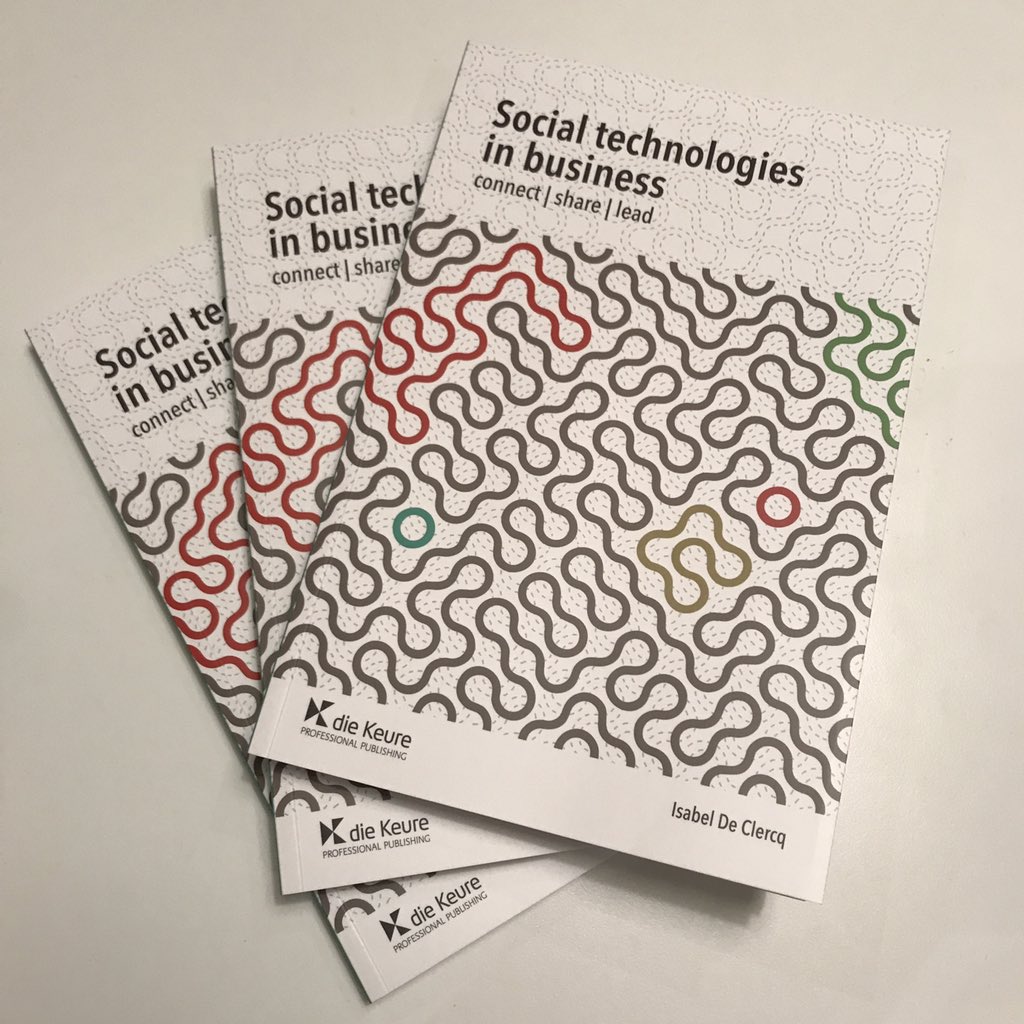
I have just completed Isabel et al’s book. As soon as I started reading it, lots of questions came to my mind re implementation, how-to’s and other questions. I immediately thought I could collate those questions and post them as a discussion guide to accompany the book. The questions never stopped coming from the start to the end of the book. This is definitely not saying the book is lacking rather it is saying that it fully engaged me throughout and got my mind in overdrive in responding to the content.
I offer these questions as a contribution back to Isabel and her co-authors for their writing of the book.
As I get older, I seem to be getting increasingly curious and fascinated about a broader range of subjects. Isabel’s reference to the Mandarin Oriental Hotel in London reminded me of this amazing podcast interview that is so me!
The main challenge for me in this exercise has been to not answer my own questions with commentary and the inevitable resource links. Those that know me even minimally will observe that me achieving that is a miracle. I hated not answering! Confession: I did put some links in …
Note that I have generated the questions in wild mind writing style and there has been minimal editing.
I can be found mainly on Twitter @srjf.
Use of this Guide
My intention is that the questions are used by people either on their own or, ideally, with others. The book is about all things “social” after all!
If you do engage with the questions and want to post responses anywhere, I encourage you to use the hashtag #socialtech and include in your post the chapter number and question number.
It would probably encourage the authors if you were to post any responses on the book’s Facebook page.
Web Presences of the Authors and Editor
I interacted with Isabel about the lack of author web presences in the book which is especially noticeable in the ebook.
To plug the gap, I went on a search for the following information. If anyone can plug any gaps or any are incorrect, let me know. The list is an alphabetical order.
- Alison Williams (Belgium) | Twitter | LinkedIn | Facebook | Instagram |
- Jan Vanoudendycke (Belgium) | Twitter | LinkedIn | Facebook | Instagram |
0: Opening Pages
- Why are you reading this book?
- What were your first thoughts when seeing the author list and the countries represented?
- Opening Quote: what is this “damage”?
- What other analogies would you use for people not sharing knowledge?
- Prologue: Via the reference to an old hotel, the contrast between old and new is a common sight, what examples of seeing new technology in “old” places come to mind?
- Did this encourage you or depress you? Why?
- What is your definition of a knowledge worker?
- Who does that definition exclude? Does social pass these people by?
- What medium do you use to read e.g. physical, e-, mix? Why?
- How do you take notes when you read books?
- Foreword: What technology milestones would you list e.g. first email sent, first ESN post etc (see mine).
- Summarise your technology journey using your milestones.
- What lack of technological capablity most frustrates you currently?
- If you were asked to deliver a TED talk, what would be your theme?
- How have you educated yourself on social to date?
- What education/training pathway would you recommend and why? Does the age of the person you are working with alter your recommendations?
- A Kick in the Butt email: what are the key points of the prosecution?
- What approaches would you take to respond to each?
- How long would you persevere if these proved unsuccessful?
1 – Ideas
Chapter 1 – Digital subverts hierarchy
- Is all hierarchy wrong?
- How would you structure an organisation with 1,000 people working in the same building and location?
- How should line management work in such an organisation?
- What do you understand by simply doing our work in a new way vs running expensive culture change programmes?
- How does social impact the making of major decisions in the organisation e.g. budget, spend, new product development, relocation etc?
- What happens, or should happen, to those in an organisation who do not want to get social? Does that apply to CEOs and those on the front line delivering customer service?
- Re customer centricity, how do you see social relating to CRM processes and systems?
Chapter 2 – Arguments to convince your management
- How does social enable you to locate the people who can help you with a particular business query/issue?
- How does social help you locate documents, presentations etc?
- What was life like before you had this capability?
- How has social impacted your introversion or extroversion? Have you changed? Why is that?
- How would you senior leadership team react if anyone slapped anything down on their table? Is there a better form of language for this interaction?
- Pre and post social, does anything need to stay constant about the organisation since the day it was founded?
- Why was your organisation started? If you do not know who, when and where it was started, find out.
- How does “we’ve always done it that way” impact you when the “we” is “you”?
- How does “not invented here” impact you?
- What is your experience of finding info in your email? What specific issues do you face?
- What is your experience of finding information on public and private social networks?
- What do you see as the place of email in your professional life and in your personal life?
- What devices do you you use in your professional and personal life?
- List some of your suppliers, competitors and customers that are on social media and where?
- What social media guidelines are you expected to comply with? Are these fit for purpose?
- What is your personal view of your organisation’s professional use of social media?
- How has social media impacted your relationships in the physical world?
- What is your experience of your senior leaders using social media? What would you praise and why? What would you criticise and why?
- What organisations and job roles, if any, are exempt from the impact of social media and why? Address this question with as many organisations and roles as you can: e.g. military, engineers, teachers, restaurants, banks, airlines etc; e.g. CEOs, directors, front-line customer service staff in physical buildings or online, teachers working with kids etc.
Chapter 3 – 10 remarks on your social project and 10 reactions to debunk them
- What would need to happen for you never to have to send or receive another email?
- If you are using an ESN or a public social network and you know the same people when they use or used email, do you see a correlation between those who are good at email and social network posting and those who are not good in terms or readability and understanding what they are communicating?
- How do you currently share your knowledge and how well do you do that? Think as widely as you can.
- How easy do you find locating relevant information for your day-to-day business and personal activities in emails, filestores and ESNs?
- What needs to happen in your organisation or your personal life to make that even easier?
- What is the minimum set of guidelines needed to protect confidentiality and competitiveness in what people post?
- Summarise the pros and cons of social media posts vs email messages?
- What direct costs does an organisation incur in implementing social networks?
- What does an ESN give youu over and above an open-to-all filestore?
- Explain your view of the relationship between formal hierarchy and social hierarchy in an organisation?
- Will these remain separate in the log term? Why? Why not?
- What have you done to develop yourself for the digital world? Was this reactive or proactive in each case?
- How does your organisation control the updating of files in the ESN?
- How do you see social impacting your career as an employee or freelancer?
Chapter 4 – From dictator to influencer – leadership in the new digital world of work
- List leaders who have or who are impacting you.
- What is their use of digital?
- What is your experience of working with/for leaders in your organisation or organisations you are delivering services to?
- How could that experience improve?
- Define digital illiteracy.
- What training pathway would you recommend for someone who was digitally illiterate according to your definition? A training pathway can include any form of learning including books, videos, podcasts, MOOCs etc.
- If senior leaders refuse to become digitally literate, what is their future?
- Would your answer change in organisations with less than 10, 100, 1,000, 10,000 people? Or for single or multi-site organisations operating globally?
- Would your answer change if your product or service was digital or physical or a mix?
- What is the place of command vs influence in a leader’s armoury of approaches?
- What conversations do leaders have on social networks that they were not having previously?
- Leaders being present digitally or physically. Discuss.
- If you are unfamiliar with the late Sam Walton (founder, Wal-Mart), do some research on him and answer the previous question as if you were him.
- What one question on social do you have for your organisation’s most senior leader? Ask that question of that person in whatever forum you can.
- How do you detect when a leader is not being authentic?
Chapter 5 – Unravelling the dumb organisation in the network era
- What teams are you a member of?
- Re silos, what is the difference when you work in a project team rather than business-as-usual?
- What things could/should change to make your work easier to do?
- What are you personally doing to make that happen?
- Is your organisationa bureaucracy? How do you define bureaucracy?
- Do some organisations need to be bureaucratic? Why is that?
- Explain how email management is an industrial production line of information flows? Ditto for ESN posts.
- On your devices, do you have email notifications set on?
- On your devices, do you have ESN notifications set on?
- Why is that?
- Re the 50m rule, do you work in an open plan office? Do walls impact this rule?
- How do you deal with interruptions face-to-face vs email/ESN posts?
- To what extent do you think that ESNs should drive organisational structure?
- Do ESNs expose weaknesses in how your organisation is structured?
- Does ESN engagement reveal what your true interests are and if you are in the right team?
- Should the wirearchy be the hierarchy? Why? Why not?
- Define dumb and smart processes and organisations.
- How does implementing an ESN fix the dumbness?
- Does your ESN extend to customers/suppliers?
- If not, explain how your ESN and business operational processes engage with customers and suppliers.
- Would extending your ESN to the full supply chain improve your efficiency and effectiveness?
Chapter 6 – The social CEO
- What is your view of how your senior leaders use social media?
- How could they improve that position?
- What percentage of your working time is spent on ESNs?
- Of that time, what percentage is directly related to the organisation’s objectives and how how much has no direct relationship?
- What resources would you recommend for a senior leader who was looking to learn social media and why?
- What challenges are different for CEOs from other members of the workforce learning and applying social?
- Should there be a Chief Social Officer role? Why? Why not?
- What existing roles could fulfil such a role?
- Put yourself in the shoes of an aspiring CEO currently in middle management with 2 levels to reach before CEO, what would you be doing now to advance your position within your organisation?
- What is your experience of business school education including MOOCs? How up-to-date, relevant etc was the content?
- How should we communicate about social to the naysayers or to those for whom this is all foreign to maximise th eprobability of them not switching off? Are you inadvertently raising the barriers to entry by using jargon?
- List some jargon words/phrases that you think need “translating” to aid communication and start using those words instead.
- To what extent is your enthusiasm on social off-putting to others?
- What is your understanding of reverse mentoring?
- What is your experience of reverse mentoring?
- Should this always be young to old?
- What experience of business change would yu apply to moving a CEO’s view of social?
- What social platforms are you aware of and which ones are you on?
- When did you last update your profile on each one? Take a look now and see if any are out-of-date and if they are, update them.
- How do you use each platform?
- For a senior leader new to social, what content strategy would you advise and why? Tailor your response specifically to a leader you have in mind.
- Offer that input to that leader as a contribution in an appropriate way – this may need a lead in!
- What social media training have you done, why did you do it, what made you choose what you did, what would you recommend that training for?
- What is your own personal brand? How did you arrive at that? How is your personal brand communicated?
- Any recommendations for training for personal branding?
- Review some social media profiles of CEOs. What do you like or not like about them?
- Ask 2-3 close friends to review yours and ask for their feedback.
- List all the soures of your learning today and what you use each for e.g. soft skills, technical skills, understanding your business sector.
- How has this changed from your school and university days?
- Who do you know who is not on social media or on particular social media platforms? Why do you think that is?
- Listen to Cal Newport on this subject. What is your response to that?
- Compare how you built a network pre and post internet.
- What would you say is the most cost-effective way of building a network today?
- Any recommended resources for learning how to do this in a cringe-free way?
- How would you compare this sort of networking to walking into a room full of strangers at designated networking events?
- Define “friend”. See Euan Semple’s “Real Friends” chapter in “Organizations Don't Tweet, People Do: A Manager's Guide to the Social Web”.
- What is your view of customer service channels on social media? Should these be encouraged? Do these demonstrate failure of physical processes?
- Summarise your organisation’s internal communication channels covering all the ways you get info from your senior leadership team. are these pull or push?
- How would you change these to be more effective?
- Any favourite examples of serendipity via ESNs where you were the initiator or receiver?
- How do you have fun on social media? Is this a natural part of your networking online?
- Have you ever assessed your social media output re give, take, type etc? See this example.
- How has your personal use of e.g. Twitter changed over time? Using the Twitter Archive functionality, review your 1st 100 and latest 100 tweets, how do they compare?
- Watch these 2 videoss by Simon Sinek on milennials (original, follow-on).
- Discuss your response to the videos.
- Discuss your response to the section in the chapter on Instagram and Snapchat and the age profile of the various platforms.
- What examples of good use of Snapchat and Instagram etc would you highlight as role models?
- List all the groups/ communities you are a part of in real live and virtually (see example).
- What would you do if you lost a specific social media platform and what would you use instead? List responses for your top 5 or more (!) platforms.
- Re the final quote in the chapter, does this have to be either/or and can it not be both/and? See Oreo article.
- What is the best way of changing your, your team’s, your colleagues’ mindset?
- How do you ensure you do not always only listen to people who think and act the same way as you do? See echo chamber article.
2 – Tools
Chapter 7 – Low-budget and easy-to-use knowledge sharing tools
- “Conversation is the single greatest learning tool in your organisation…”. Discuss. How does that apply to your work and activities outside of work?
- How do you personally consume and produce video content?
- How has this changed over the past 5 years?
- How do you personally consume and produce video content?
- How has this changed over the past 5 years?
- What are your never-miss video or audio podcasts and why?
- Multimedia: Which of these tools do you or have you used? Would you recommend them?
- What would you recommend?
- Content Curation: re seek, sense and share, are you familiar with Personal Knowledge Mastery? If yes, how do you apply that in your working and personal life? If not, explore the link in the book.
- What is your understanding of content curation?
- Have you used the tools listed? Would you recommend them? Others you would recommend?
- Blogging: What is your experience of blogging?
- What blogging tools do you use? How did you choose them?
- Would you recommend blogging to others? Why? Why not?
- What platforms do you write/publish on? Go wide and include tweets, Facebook posts and comments etc.
- What criterial do you apply for what you publish where?
- What is your attitude to republishing the same content on multiple platforms?
- What is your attitude to others doing that?
- Any recommendations on how you control your content i.e. know where you have published it all?
- Messaging: What messaging apps do you use for work and play?
- Have you used these in your communities?
- ESNs: What ESNs do you currently or have you used?
- Do you use ESN functionality for play or for other content outside of your organisation?
- Which ESNs would you recommend and why?
- What limitations do your ESNs have that you ideally need addressing?
- What do you use your ESNs for?
- General: What other resources would you recommend in any of these areas?
Chapter 8 – Enterprise Social Networks for dummies
- “ESNs are the end of email.” Discuss.
- How do you use ESNs today instead of email?
- Thinking back to when you only had email, are you using ESNs in the same way as you used email?
- Describe what business activities you used to do elsewhere but you now do on ESNs. How has this helped you?
- If you are new to ESNs and do not currently use them, do you feel intimidated by the various options and where to start?
- Which of these tools have you used and would you recommend and why?
Chapter 9 – How to choose the right Enterprise Social Network
- Before looking at ESNs specifically, describe the process you would normally go through to buy an expensive product/ service for your own personal use out of your own money and your company’s e.g. house, car, training course for your team.
- What evaluation processes have you led or been a part of that have worked well or not so well? Why was that?
- What ESN evaluation resources would you recommend that are independent of product and vendor?
- If you have never used an ESN, experiment and have a play by running a 12-week Working Out Loud circle or a book club (e.g. Designing Your Life) using Zoom (video conferencing) and Slack (ESN). Both these products have free variants) and are very easy to use.
- What is your view of the recommendations and explanations of the tools in this chapter?
- Re the ESNs in your organisation, how long have they been in place in your organisation? How many users does it have on a regular basis? What percentage of the total workforce is that? What percentge of the total workforce could access ESNs?
- What would be involved in implementing an ESN after a procurement decision has been taken?
Chapter 10 – Automation and integration: crucial for a successful Enterprise Social Network
- What integrations have been implemented in your ESN and how do they help you?
- What other integrations would help you if they were available and implemented?
- What IFTTT functions do you use?
3 – Methods
Chapter 11 – Critical success factors for enterprise social success
- Which critical success factors resonate with you in terms of you strongly agreeing? What critical success factors would you add?
- What is your experience of governance in ESNs?
- What would be in your DO/DO NOT DO lists for ESN usage?
- What are all the roles required to have a thriving ESN? Describe the roles and suggest whether each is a full-time or part-time or voluntary role.
- Describe some of your ESN use cases and how frequently you execute those use cases in a typical week.
- How did you learn how to use your ESN?
- What channels are set up in your ESN? Do these include channels for teams in the formal hierarchy of your organisation?
- Can you add new channels?
- What other ESN launch activities would you add to a launch plan?
- If a person’s use of email is bad, how would you train that person in the use of an ESN?
- What examples of ESN etiquette guides have you found helpful? E.g email policies usually say things like use Subject line, do not cover multiple issues in the same email if different people are involved, do not To/CC/BCC lots of people and so on.
Chapter 12 – Eight barriers to knowledge sharing
- Tell some of your story about knowledge etc sharing pre- and post-internet as well as sharing in real life.
- How well does your job description reflect what you do? Do you have any issues with your job description?
- What is your current view of job descriptions?
- Describe your compartmentalised lives using the various roles you perform. Are these really separate or are you fully the same person in each?
- Do the “Designing Your Life” exercise to write down your Workview and your Lifeview. How well do they crossover? Are there clashes of the two?
- How do you try to separate work and play lives?
- When you tweet etc how conscious are you of the impact that you might have on your personal/ professional followers?
- What advice do you have for those who are not working for organisations where they are treated as adults?
- How would you answer a senior leader that says ESNs and knowledge sharing will make lots of unproductive time to their workers’ weeks?
- How would you assess your followers on each platform? Is there lots of noise? Do they need culling? Why have you not done that?
- What would you be reluctant to post? E.g. competitive info of value to a competitor.
- Is your organisation of practice “boundaryless”
- What would need to happen to make it so?
- Is your ESN open to customers and suppliers?
Chapter 13 – A bald man. A bearded man. And a ginger head woman. The Divine Trinity of Working Out Loud
- Have you been a member of a full 12-week Working Out Loud circle? Describe your experience. How would you sell being in one.
- What type of circle was it? (virtual/physical, with strangers/people you knew, in-company/external, single/multi-country)
- What was your personal goal? Did you meet it?
- Would you do another circle?
- If you have not been a part of a WOL circle, why not?
- How and where do you show your work? How frequently?
- How would you describe the benefit of working out loud to a sceptic?
- Who does this well in your opinion? Examples.
- What are your concerns about sharing your work and working out loud?
- Describe your working out loud and sharing your work journey to date e.g. what have you learned, who has criticised you and why, do you do this in seasons?
Chapter 14 – 15+ things not to do when promoting social
- When have you seen these bad examples occur?
- What other no-no’s would you add to the list?
- What other recommendations would you add to address the “what not to do” list?
Chapter 15 – How to deal with information overload
- Describe the devices you use in a typical week, what you use them for and when.
- How do you handle notifications? Do you switch them on, off or have a mixture?
- What is your attitude towards digital detox? Have you done one? What did you do, not do? What did you learn?
- What concerns do you have about your use of your devices at work and at play?
- Do you have similar concerns about others in your close circle and family?
- What is your view of Cal Newport not being on social media at all? See his Deep Work book.
- Re “only consume what is valuable to you”, how do you know if it is valuable to you unless you have consumed it?
- Are you a rabbit trail-er? Why? Why not?
- Do you plan your social media activity ether for consuming or producing?
- How do you plan your working day?
- Re emails and task switching, has the rise of ESNs in organisations addressed this and made it less like email for rabbits?
- What is your strategy for dealing with distractions?
- What routines and rituals do you follow or want to follow?
- Mono-tasking or multi-tasking. Discuss.
- What productivity and timesaving apps do you use? Do they work for you? Why and how?
- What is your current inbox count for emails, saved items in Evernote/equivalent/ESN notifications?
- Which people qualify as experts in your field and generally? How and where do you follow them and consume their content?
Chapter 16 – Chat, conversation and collaboration
- How do you use chat for personal and work use?
- What conversations come to mind when reading the definition?
- What collaboration examples come to mind when reading the definition?
- How do you see Twitter/Facebook/etc in use for these three definitions?
- With these 3 definitions, how do you see these being misused?
- Should your style of using these tools be adopted by others? Why? Why not? (cf people who use Powerpoint instead of Word for creating lengthy Word documents!)
- How would you expand on the stories in the definition/ value part of this chapter?
- What other examples of collaboration and reinventing the wheel can you think of?
- What other interactions would you want to explain that add value?
4 – Case studies
Chapter 17 – How an experiment went viral. Case study KBC
- On reading the word “change”, what resources come immediately to mind if you were asked to present to a CEO who was asking for immediate advice with no time for you to prepare?
- Does grassroots change mean that formal leadership structures in the organisation have failed? Why? Why not?
- How would you:-
- address people being afraid to post?
- encourage sharing your work?
- coach people to write eye-catching posts?
- Should there be a house style for blog/ESN posts?
- What is the difference between a blog and a microblog? Does that distinction matter?
Chapter 18 – How to train managers, executives and staff. Case study KBC
- What training have you done to learn Twitter, Facebook, LinkedIn, your other tools?
- What training is those tools would you recommend for someone new to all tools? Would their age influence your strategy?
- How do you use hashtags in each tool?
- Have you produced/ used similar posting etc guidelines? What would be your ideal best practice?
- In the example of negative feedback being given offline, what should happen online as a result?
- What is your view of the rules for managers at KBC? Should these each apply to all staff?
Chapter 19 – How hierarchical borders make change thrive. Case study KBC
- Describe how communication via email differs from communicating via ESN in practice giving examples of types of communication you sent then and now and why. If you have never used an ESN, imagine.
- What was your experience of being prepared/ trained to use ESNs at work?
- How have face-to-face meetings and other face-to-face communication changed since using ESNs? Is that a good thing or a bad thing? Why?
Chapter 20 – How to set up a charter. Case study DAIKIN EUROPE
- Apply Why, How, When, Where, How and Who questions to an ESN-related initiative that you want to see happen.
- Reference is made to different etiquette for different countries, how would that influence your thinking if you were implementing a global ESN?
- Which rules apply, do not apply in your ESN?
- Does a checkpoint date for review sound sensible for your organisation?
- Share your charter publicly if you are allowed to.
- If you do not have one, write one and share it.
- What is your opinion of the value of a charter?
Chapter 21 – How to set up a Digital Academy. Case study ENGIE
- List all the digital ways you have beeen trained in the use of social media tools.
- Which were the most appropriate for you?
- What have you wanted to know that you could not find learning for?
- Produce a brief video on how to do something related to social media that you often see people not being able to do.
Chapter 22 – How to set up reversed mentoring. Case study ENGIE
- Is the stereotype of reverse mentoring by the younger of the older valid in your mind? Do you hold a contrary view?
- What is your experience of reverse mentoring?
- Think of some ideal pairings to train social media and suggest them.
- What did you learn from this chapter that has prompted specific actions you could take?
Chapter 23 – How social helps save lives. Case study SANOFI PASTEUR
- Review Kotter’s Leading Change steps and assess whether this could be used as a framework for all change initiatives.
- How does the way Sanofi built their communituies compare with your experience?
- How do you see the role of senior leaders in an organisation changing in a post social media era?
Chapter 24 – How to create organisational dynamics in an organic way. Case study TELEFÓNICA
- What functionality would you love to have access yo that is either available to others or not invented yet?
- What do you understand by the term “intrapreneur”?
- What is your experience of polls in ESNs?
- Describe how open your organisation is re who does what, who is doing what and so on.
- What chats have you had with someone on social media that you later realised was with someone more “important” than you thought? If you’d have known who that person was would that have changed how you interacted?
- Give examples of where you have been asked for feedbach, received feedback and reported back what you did with that feedback.
“25” - Books, podcasts and blogs that inspired us
- Re the international co-authors of this book, what understanding of the use of social media do you have of other cultures/continents?
- What resources have inspired you on the various subjects covered by this book?
- What book would you write if you were given that assignment by your current line manager instead of your day job for 6 months either on your own or with others and why?
- Why don’t you write that book?
This comment has been removed by a blog administrator.
ReplyDelete